
Protein: How Much You Actually Need and Where to Get It
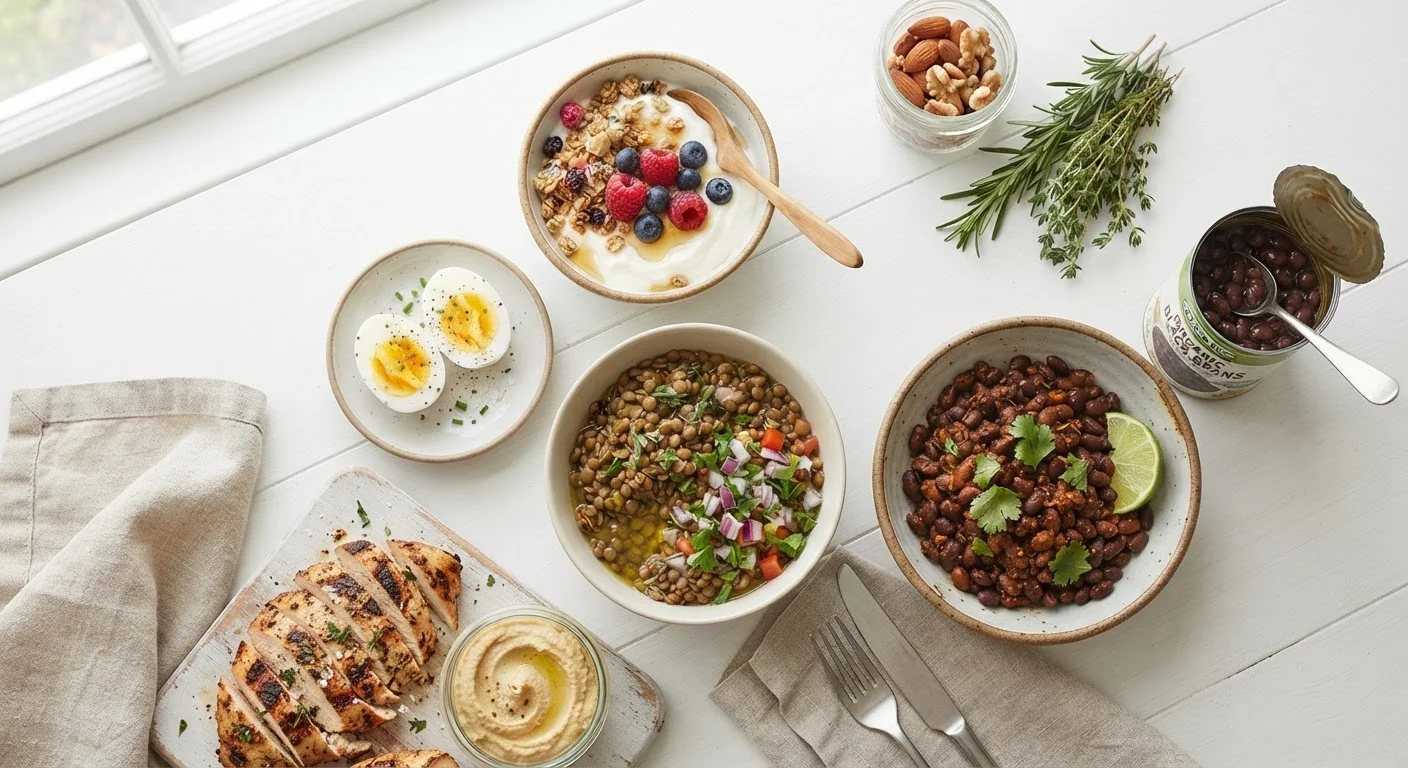
Photo credit: SyndicateExpert.com | Information At The Ready
In this article
A clear look at daily protein needs for different adults, the best food sources, and when supplements are and aren't necessary.
Why Protein Matters More Than You Think
Protein is one of three macronutrients your body cannot function without. It provides the structural material for muscle, skin, enzymes, hormones, and immune cells. Unlike fat or carbohydrates, your body has no dedicated storage system for protein — which is why consistent daily intake matters.
Most Americans eat enough protein overall, but the timing, quality, and distribution across meals can vary significantly. Understanding your actual needs — rather than defaulting to gym-culture myths or minimal estimates — helps you make smarter choices without overthinking every meal.
Protein also plays a meaningful role in satiety. Research consistently shows that higher-protein meals tend to reduce hunger and support weight management, which is one reason this nutrient gets outsized attention in nutrition discussions. That said, more is not always better, and the right amount depends on who you are and what you're doing. Just as protein is central to a balanced diet, so is fiber — see our guide to dietary fiber for another frequently overlooked nutrient.
| Standard adult RDA | 0.8 g per kg of body weight/day (Dietary Reference Intakes, National Academies) |
| RDA for a 150-lb adult | ~54 grams/day (Calculated from standard RDA formula) |
| Recommended for active adults | 1.2–1.7 g/kg/day (International Society of Sports Nutrition position stand) |
| Calories per gram of protein | 4 kcal/g (Standard macronutrient energy value) |
| Essential amino acids | 9 (must come from diet) (National Institutes of Health, MedlinePlus) |
| Most budget-friendly sources | Eggs, canned fish, dried legumes, dairy |
How Much Protein Do You Actually Need?
The standard dietary reference value is 0.8 grams of protein per kilogram of body weight per day for healthy, sedentary adults. For a 150-pound (68 kg) person, that works out to roughly 54 grams daily — a number that most Americans already meet through normal eating patterns.
However, several groups have meaningfully higher needs:
- Active adults and regular exercisers: Research supports 1.2–1.7 g/kg/day for those engaged in consistent strength or endurance training.
- Older adults (65+): Muscle loss accelerates with age, and many researchers advocate for 1.0–1.2 g/kg/day to preserve lean mass and function.
- People recovering from illness or surgery: Protein needs can increase substantially during recovery — always follow guidance from a healthcare provider in these situations.
- Pregnant and breastfeeding individuals: Requirements increase during pregnancy and lactation; consult a qualified healthcare professional for personalized recommendations.
Spreading intake across meals — rather than loading it all at dinner — appears to improve muscle protein synthesis. Aiming for roughly 25–35 grams per meal is a practical goal for most active adults.
Note: These are general educational ranges, not personalized medical recommendations. A registered dietitian can help determine the right target for your specific circumstances.
The Best Food Sources — Animal and Plant
Protein quality is determined by its amino acid profile and digestibility. Complete proteins contain all nine essential amino acids your body cannot make on its own. Most animal-based foods qualify — eggs, poultry, fish, dairy, and lean meats are among the most efficient sources.
Plant-based proteins are often incomplete (lacking one or more essential amino acids), but this is easily addressed by eating a variety of plant foods throughout the day. Soy and quinoa are notable plant exceptions that are nutritionally complete.
| Food | Approx. Protein | Notes |
|---|---|---|
| Chicken breast (3 oz cooked) | ~26 g | Lean, versatile, widely available |
| Canned tuna (3 oz) | ~20 g | Budget-friendly, shelf-stable |
| Greek yogurt (1 cup) | ~17–20 g | Also provides calcium and probiotics |
| Lentils (½ cup cooked) | ~9 g | Affordable, high in fiber |
| Eggs (2 large) | ~12 g | Complete protein, cost-effective |
| Black beans (½ cup cooked) | ~8 g | Pair with grains for full amino profile |
| Tofu (3 oz firm) | ~8 g | Complete plant protein |
| Cottage cheese (½ cup) | ~14 g | High protein, low cost per serving |
For most budgets, eggs, canned fish, dried legumes, and dairy offer strong protein value without premium pricing.
Do You Actually Need a Protein Supplement?
Protein powders and shakes are widely marketed, but most people who eat a varied diet do not need them. They are a convenient tool — not a nutritional requirement — and whole foods provide additional nutrients (vitamins, minerals, fiber) that isolated powders do not.
Supplements may be genuinely useful for:
- Athletes or highly active individuals struggling to meet elevated needs through food alone
- Older adults with reduced appetite
- Individuals following strict plant-based diets who need to close specific amino acid gaps
If you do use a protein supplement, look for products that have been tested by an independent third-party certification body (such as NSF Certified for Sport or Informed Sport) to verify contents match the label. The supplement industry is not as tightly regulated as pharmaceuticals, so independent testing matters.
When in doubt, a registered dietitian is the right resource — not marketing copy — for deciding whether a supplement fits your needs.
This article is for general informational purposes only and does not constitute medical or dietary advice. Consult a qualified healthcare professional or registered dietitian for guidance specific to your health situation.

Author
Health & Wellness Editorial Team
Health & Wellness Editorial Team is the collective byline for our editorial team and contributor network. Articles published under this byline or an editorial pen name are researched, written, and reviewed according to our editorial standards for clarity, consistency, and independence before publication.
View all articles →