
Battery Health and Electrical Gremlins: What's Draining Your Car
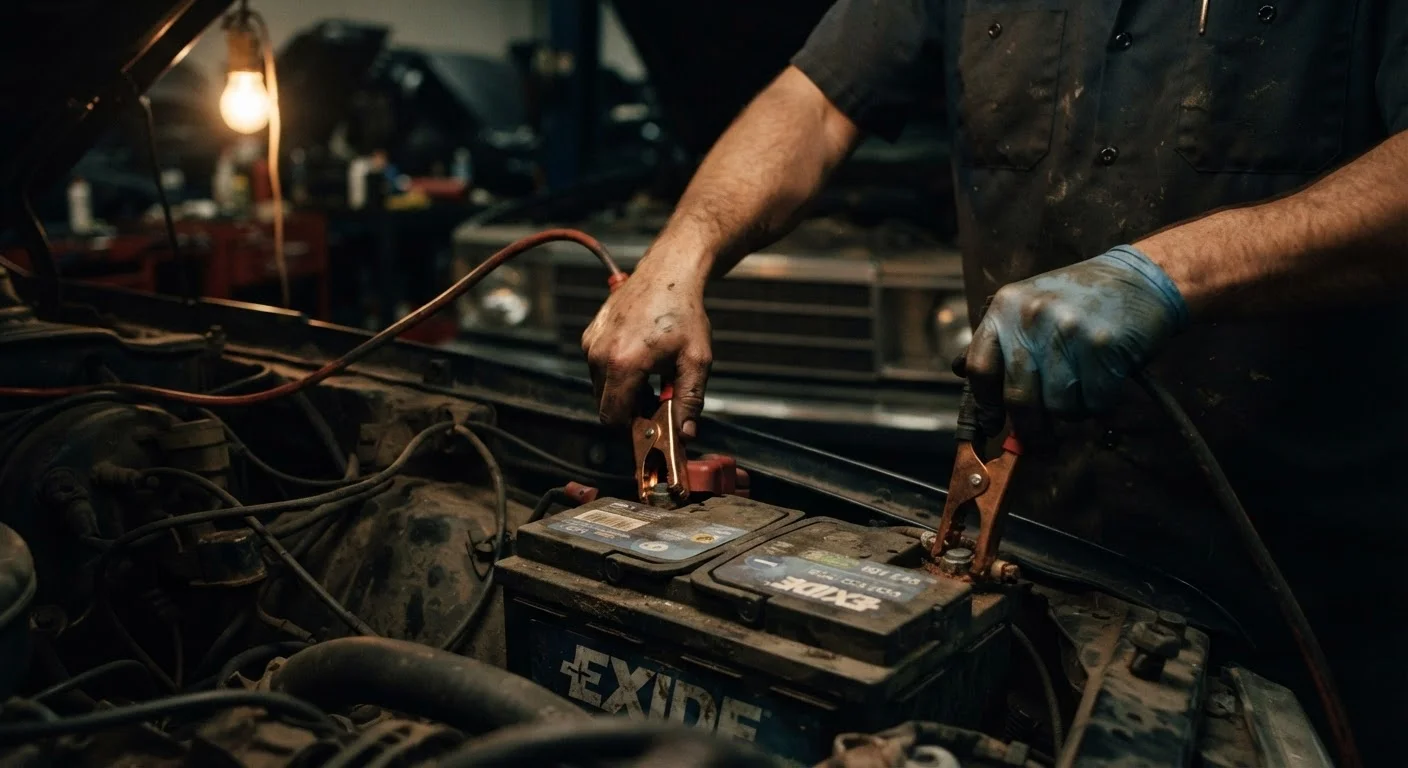
Photo credit: SyndicateExpert.com | Information At The Ready
In this article
A weak battery isn't always a dead battery. Understand how car electrical systems work, what drains them, and how to spot trouble early.
Key Takeaways
- Car batteries naturally lose capacity over time, with most lasting three to five years under normal conditions.
- A fully charged battery that repeatedly goes flat points to a parasitic drain - not just battery age.
- Common culprits include faulty relays, stuck interior lights, and aftermarket accessories wired incorrectly.
- A mechanic can perform a parasitic draw test to isolate the problem circuit by circuit.
- Infrequent driving is one of the fastest ways to degrade a battery - short trips don't allow a full recharge.
How Your Car's Electrical System Actually Works
Your car's electrical system is built around three key players: the battery, the alternator, and the vehicle's network of fuses, relays, and wiring. The battery provides the burst of energy needed to start the engine. Once running, the alternator takes over - generating electricity to power everything from the fuel injectors to the climate control, while simultaneously recharging the battery.
Think of the battery as a short-term energy reserve and the alternator as the ongoing power supply. Problems in either component - or in the wiring connecting them - can produce symptoms that look almost identical on the surface, which is why diagnosing electrical issues requires methodical testing rather than guesswork.
Modern vehicles add another layer of complexity. Dozens of electronic control units (ECUs) manage engine timing, transmission shifts, airbag readiness, and more. Each one draws a small amount of power, even with the ignition off. This is normal standby current, and well-designed systems keep it within safe limits.
Modern Vehicles Enter 'Sleep Mode'
After you lock your car and walk away, many modern vehicles take 10 to 45 minutes for all their electronic modules to fully enter low-power sleep mode. This means a parasitic draw test performed too soon after shutdown will produce an artificially high reading. Technicians typically wait the full sleep cycle before measuring to get an accurate baseline.
What's Actually Draining Your Battery
When a battery keeps going flat, drivers often assume the battery is simply old and replace it - only to find the new one dies just as quickly. The real problem is usually a parasitic drain somewhere in the system.
Common causes include:
- Stuck relays: Relays are electromagnetic switches. When one gets stuck in the closed position, it can keep a circuit powered indefinitely - running a fuel pump, cooling fan, or control module around the clock.
- Interior lights that won't shut off: A door, trunk, or glove box light that stays on is easy to miss but will flatten a battery in 24 to 48 hours.
- Aftermarket accessories wired incorrectly: Dashcams, amplifiers, and remote starters installed without proper switched wiring draw power continuously instead of only when the ignition is on.
- Aging battery that won't hold charge: As a battery ages, its internal plates sulfate and it loses capacity. A battery showing less than 12.4 volts at rest, or dropping sharply under load, may simply be past its service life.
- A failing alternator: If the alternator isn't keeping up with the car's electrical demand, the battery compensates - and gradually depletes, even while driving.
If you drive infrequently, battery drain can happen with no fault at all. Short trips around town may not give the alternator enough time to fully recharge what the starter motor used. See our guide on caring for a seldom-driven car for strategies specific to low-mileage vehicles.
Spotting the Warning Signs Early
Electrical problems rarely arrive without warning. The challenge is recognizing what those warnings are trying to tell you.
Slow cranking on startup is one of the earliest and most reliable signs. The starter motor sounds labored - a noticeable difference from the crisp, quick turnover of a healthy system. If you notice this, especially on a warm morning when cold isn't a factor, have the battery tested promptly.
Dimming or flickering lights suggest the system isn't maintaining stable voltage. This often points to an alternator that's underperforming, though a battery with high internal resistance can cause the same symptom.
Electronics resetting unexpectedly - clock losing its time, radio presets clearing, window positions forgetting their settings - indicates the battery voltage dropped low enough to lose memory. This can happen after a single deep discharge or as a pattern of gradual decline.
A battery warning light on the dashboard signals that the charging system isn't operating within its expected voltage range. This isn't a warning to ignore; it means the alternator or battery is not performing correctly and the car is running on stored energy alone.
Test Your Battery Before Winter
Cold temperatures significantly reduce a battery's ability to deliver cranking power - a battery that worked fine in summer can fail on the first freezing morning. Having a battery load test done in the fall, before temperatures drop, gives you time to replace a marginal battery on your schedule rather than in a parking lot.
What a Mechanic Does - and What You Can Do
A parasitic draw test is the standard diagnostic procedure for unexplained battery drain. With the vehicle off and all systems in sleep mode, a technician measures the total current draw using a multimeter placed in series with the battery's negative cable. If the reading exceeds roughly 50 milliamps, they begin pulling fuses one by one to narrow down which circuit is responsible.
Battery load testing is equally important. A battery can show a healthy 12.6 volts at rest and still fail under the load of cranking the engine. A proper load test - using a carbon pile tester or an electronic conductance tester - reveals whether the battery can actually deliver the current your starter needs.
As a driver, there are practical steps you can take before visiting a shop. Check that all interior lights are off after locking the car. Unplug any aftermarket accessories from the 12V outlet or USB ports when parked for extended periods. If you're parking a vehicle for more than two weeks, a battery maintainer (sometimes called a trickle charger) can prevent self-discharge without overcharging.
Electrical work beyond these basics - tracing a wiring fault, replacing a relay, or testing an alternator output - is best handled by a qualified mechanic. Mistakes in a vehicle's electrical system can cause damage to sensitive modules that costs far more to repair than the original fault.
For a broader view of how electrical maintenance fits into overall vehicle upkeep, see our complete car maintenance guide. And if recurring repair costs are a concern, managing the ongoing cost of car ownership covers practical strategies for staying ahead of expenses.
Frequently Asked Questions

Author
Cars & Driving Editorial Team
Cars & Driving Editorial Team is the collective byline for our editorial team and contributor network. Articles published under this byline or an editorial pen name are researched, written, and reviewed according to our editorial standards for clarity, consistency, and independence before publication.
View all articles →