
Smarter Habits for Managing the Ongoing Cost of a Car
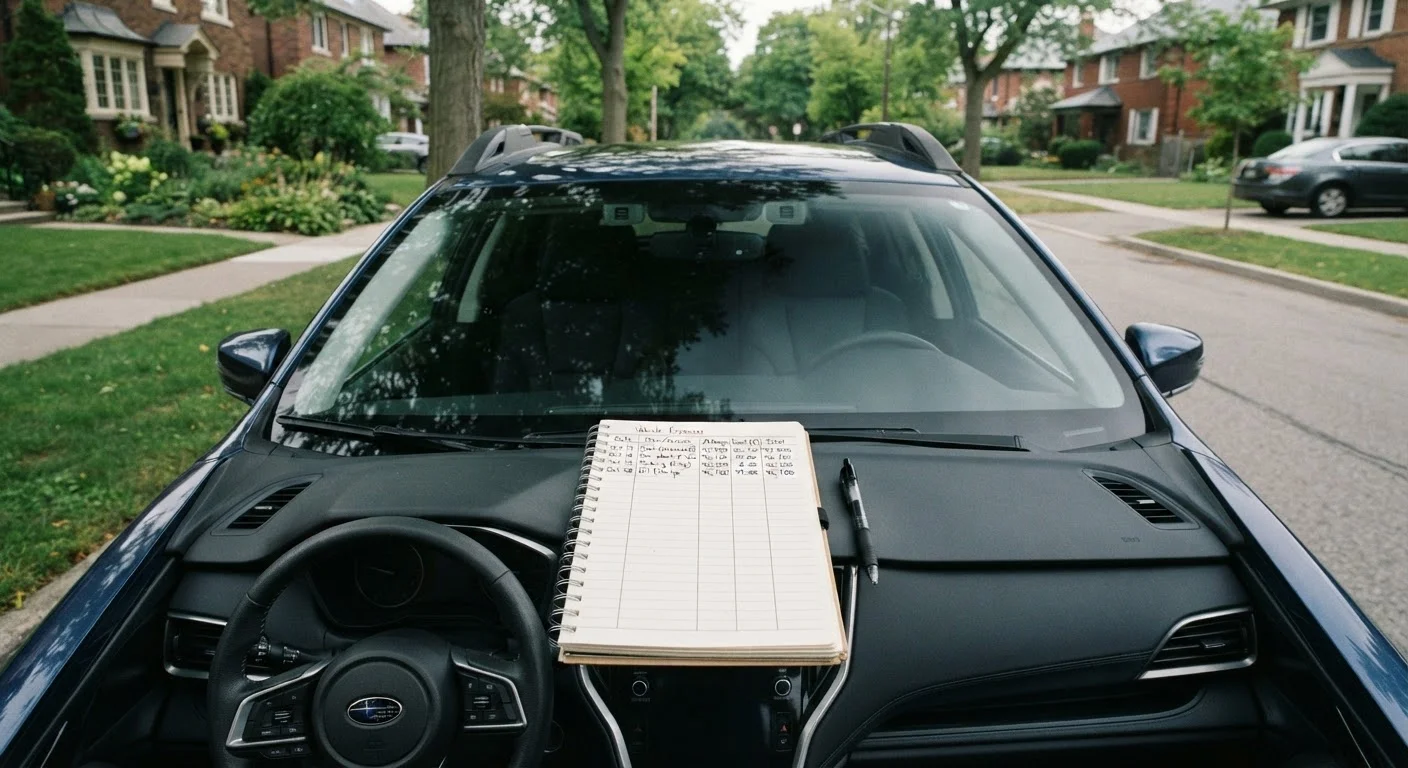
Photo credit: SyndicateExpert.com | Information At The Ready
In this article
From tracking fuel expenses to timing major repairs, practical habits that help car owners stay on top of costs without being caught off guard.
Key Takeaways
- Treating car ownership as a monthly budget line — not just a loan payment — prevents financial surprises.
- Routine maintenance tracked proactively is almost always cheaper than reactive repairs.
- A dedicated car fund, even a modest one, buffers against unexpected costs like tires or a failed battery.
- Fuel, insurance, and depreciation together often exceed the monthly loan payment itself.
- Your owner's manual is the most reliable — and most underused — cost-management tool you already own.
The Real Monthly Cost of a Car (It's More Than the Payment)
When most people think about what their car costs, they think about the loan payment. But that number is often less than half the true monthly expense. Fuel, insurance premiums, registration fees, routine maintenance, tires, and the steady erosion of the vehicle's value — collectively called depreciation — all add up quietly in the background.
Understanding how depreciation works is a useful starting point, because it reframes the entire conversation about car costs. A vehicle that loses several thousand dollars in value each year is, in effect, costing you that money whether or not you ever notice it. Building that reality into your mental budget makes every other financial habit easier to maintain.
The first practical step is simply listing every car-related expense you paid in the past 12 months — including the ones that felt like one-offs. That total, divided by 12, is your actual monthly car cost. Most owners find it meaningfully higher than expected.
Habits That Keep Costs Predictable
Unpredictability is the biggest driver of financial stress around car ownership. The repair you didn't see coming, the tire that blew out before you noticed the wear — these events feel expensive partly because they weren't planned for. The habits below shift car ownership from reactive to proactive.
Your owner's manual maintenance schedule is the most reliable source for knowing what your specific vehicle needs and when. Following it closely tends to prevent the kind of cascading failures — where one neglected service leads to a far more expensive repair — that catch owners off guard. You can also review commonly deferred maintenance tasks to make sure nothing is quietly slipping through.
If you're newer to ownership, a foundational maintenance guide can help you understand which tasks are genuinely urgent and which ones have more flexibility. Some widely shared car beliefs — including assumptions about how often certain services are needed — are also worth questioning. See common car ownership myths for a breakdown of which ones actually cost money.
Building a Car Fund That Actually Works
A dedicated savings buffer for car expenses does more than cushion emergencies — it changes how you make decisions. When a repair quote comes in, knowing you have funds set aside lets you evaluate the situation clearly rather than scrambling for credit or deferring something that needs to be done.
The amount to target varies by vehicle age, mileage, and your local cost of living, but a common starting point is setting aside a fixed amount each month into a separate account earmarked solely for car costs. Even a modest monthly contribution compounds meaningfully over a year. Think of it the same way you'd approach any budget category — consistent contributions matter more than the initial size. For broader guidance on building this kind of financial structure, budgeting fundamentals can help you fit car savings into an overall spending plan.
It's also worth thinking through the financial implications of your ownership structure. Owning a car outright versus carrying a loan each carry trade-offs that affect how much monthly buffer you need. And if a trade-in is somewhere in your future, timing and preparation details have a measurable impact on the value you recover.
This article is for general informational purposes only and does not constitute financial or mechanical advice. Consult a qualified professional for guidance specific to your situation.

Author
Cars & Driving Editorial Team
Cars & Driving Editorial Team is the collective byline for our editorial team and contributor network. Articles published under this byline or an editorial pen name are researched, written, and reviewed according to our editorial standards for clarity, consistency, and independence before publication.
View all articles →