
Before You Trade In Your Car: What Owners Often Overlook
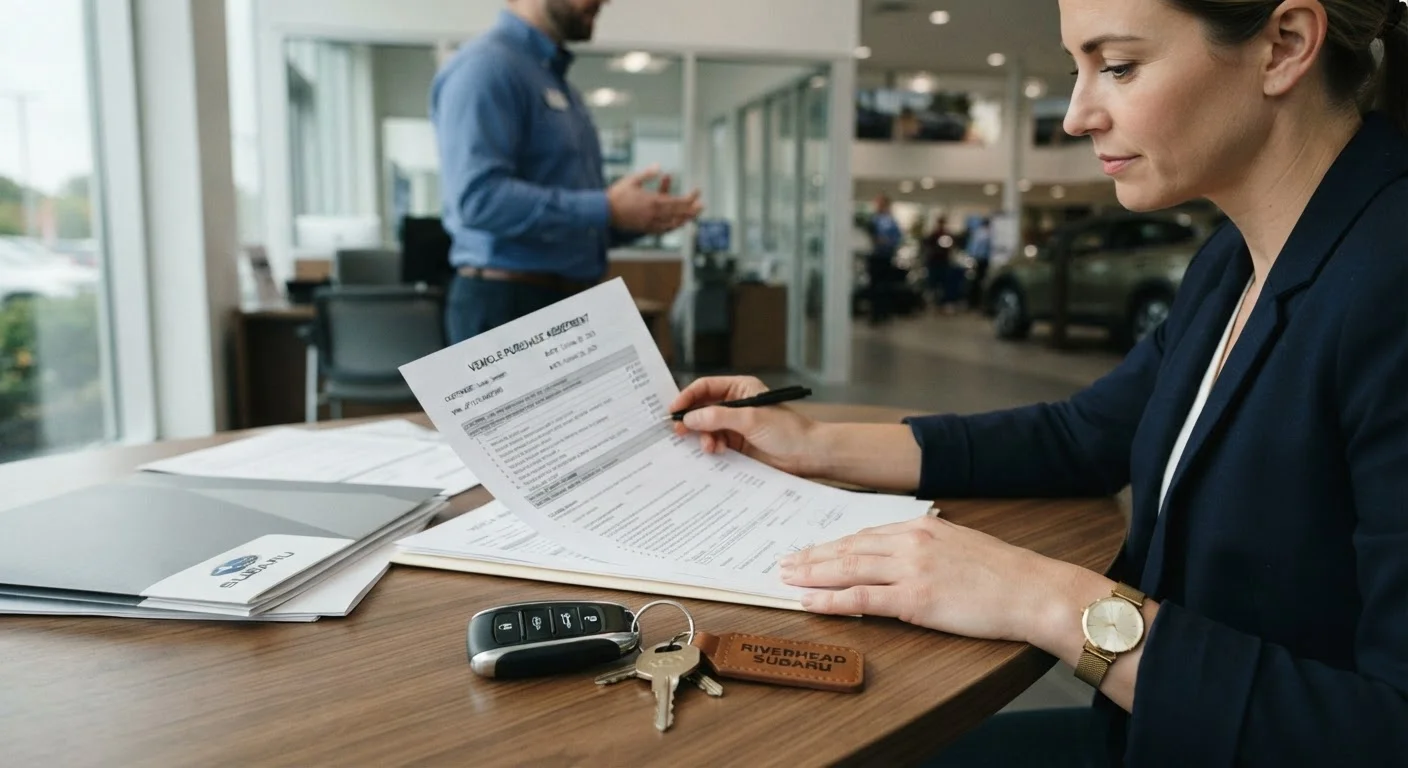
Photo credit: SyndicateExpert.com | Information At The Ready
In this article
Trading in feels convenient, but timing, condition, and paperwork details have a big impact on the value you actually walk away with.
Key Takeaways
- Trade-in value is directly affected by vehicle condition, mileage, and market timing.
- Getting an independent appraisal before visiting a dealership gives you a meaningful negotiating baseline.
- Outstanding loan balances and missing paperwork can complicate or delay the trade-in process significantly.
- Minor cosmetic repairs and a clean interior can improve the offer you receive.
- Separating the trade-in negotiation from the new vehicle purchase protects your financial clarity.
Why Trade-Ins Catch Owners Off Guard
Trading in a vehicle feels like the easy path - hand over the keys, sign a few forms, and roll the value into whatever comes next. But that convenience has a cost when owners arrive unprepared. The trade-in process involves appraisal, negotiation, title transfer, and loan settlement all happening at once, and each step has variables that directly affect what you actually walk away with.
The mistakes owners make most often aren't dramatic. They're the kind of oversights that seem minor but quietly erode value: skipping an independent appraisal, overlooking a loan payoff balance, or simply not cleaning the car before it gets appraised. Understanding what appraisers actually evaluate - and what dealers factor into their offers - is the foundation for a trade-in that doesn't leave money on the table.
For broader context on how vehicle ownership intersects with your finances, see our guide on managing the ongoing cost of a car.
The Most Common Trade-In Mistakes - and How to Avoid Them
The errors below account for the majority of situations where owners receive less than they reasonably could have - not because the market is unfair, but because preparation was incomplete.
Walking in without an independent appraisal.
Why it happens: Most owners assume the dealership's offer is market rate, or they feel uncomfortable questioning it without a reference point.
Ignoring the vehicle's service history documentation.
Why it happens: Owners often assume the car's condition speaks for itself, not realizing that appraisers heavily weigh documented maintenance records.
Trading in at the wrong point in the vehicle's depreciation curve.
Why it happens: Owners often trade in reactively - when they're ready for something new - rather than timing the transaction strategically.
Neglecting basic cosmetic preparation before the appraisal.
Why it happens: Many owners believe appraisers look past cosmetic issues to the mechanical condition, or they underestimate how much appearance influences perceived value.
Not knowing the exact loan payoff amount before arriving.
Why it happens: Owners conflate their remaining monthly payments with the actual payoff figure, which are different numbers.
Forgetting to bring the title and all required ownership documents.
Why it happens: The paperwork side of vehicle ownership often feels abstract until it's urgently needed. Titles are sometimes stored in locations owners forget.
Don't Bundle Trade-In and Purchase Negotiations
When you negotiate your trade-in value and the price of a new vehicle simultaneously, it becomes very difficult to evaluate either deal clearly. A dealer can adjust numbers across both transactions in ways that appear favorable but reduce your overall value. Treat them as two separate conversations, and get a firm trade-in offer in writing before discussing the vehicle you plan to buy.
Finally, make sure all paperwork is in order well before your appointment. Consult our field guide to dealership paperwork to understand the documents involved so nothing catches you off guard at the table.
Negative Equity Can Follow You
If you owe more on your current loan than the car is worth - a situation called being 'upside down' or having negative equity - that balance doesn't disappear at trade-in. Dealers may roll it into your new loan, which means you start the next financing arrangement already behind. Understand your exact payoff amount before you walk into any dealership. See our guide on the financial realities of carrying a car loan for broader context.

Author
Cars & Driving Editorial Team
Cars & Driving Editorial Team is the collective byline for our editorial team and contributor network. Articles published under this byline or an editorial pen name are researched, written, and reviewed according to our editorial standards for clarity, consistency, and independence before publication.
View all articles →