
Dental Health in Dogs: The Overlooked Part of Routine Care
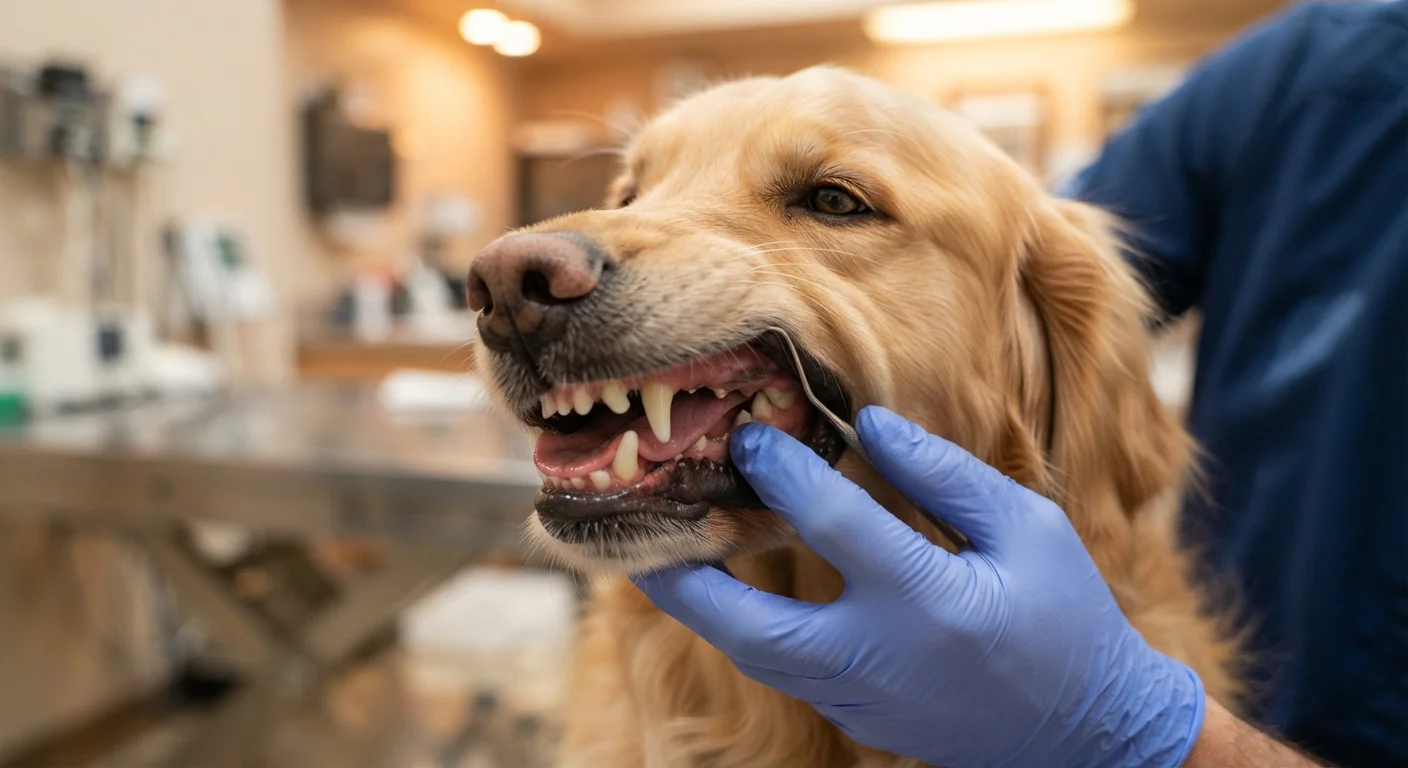
Photo credit: SyndicateExpert.com | Information At The Ready
In this article
Periodontal disease affects most adult dogs, yet dental care is often skipped. Here's what vets recommend and why it matters.
Key Takeaways
- Periodontal disease affects the majority of dogs over age three, making dental care a serious health priority.
- Daily tooth brushing is the most effective at-home method for preventing plaque and tartar buildup.
- Professional dental cleanings under anesthesia are the only way to fully remove established tartar below the gumline.
- Untreated dental disease can contribute to systemic health problems affecting the heart, kidneys, and liver.
- Many dogs show no obvious signs of dental pain, so regular vet exams are essential for early detection.
Why Dental Health Is a Bigger Deal Than Most Owners Realize
Ask most dog owners about their pet's health routine and you'll hear about vaccines, flea prevention, and annual checkups. Dental care rarely makes the list — yet veterinary organizations consistently report that periodontal disease is one of the most prevalent health conditions in adult dogs, with estimates suggesting it affects the majority of dogs by age three.
Periodontal disease begins as plaque — a sticky film of bacteria — that accumulates on tooth surfaces. Left undisturbed, plaque mineralizes into tartar within days. As tartar builds up at and below the gumline, it triggers inflammation, gum recession, bone loss, and eventually tooth loss. Because dogs instinctively mask discomfort, many owners don't notice a problem until disease is well advanced. For more on recognizing hidden pain, see signs your dog may be in pain.
The consequences extend beyond the mouth. Chronic oral infection can allow bacteria to enter the bloodstream, and some research links severe periodontal disease with changes in kidney, liver, and cardiac tissue — though the precise causal relationship is still being studied. What is clear: a diseased mouth is a source of chronic discomfort and systemic stress your dog shouldn't have to carry.
Best Practices for At-Home Dental Care
Consistent home care is the foundation of a good canine dental hygiene routine. The following practices represent what veterinary dental specialists generally recommend for everyday owners.
Brush your dog's teeth daily using a toothbrush and toothpaste formulated for dogs.
Daily brushing is the single most effective way to disrupt plaque before it hardens into tartar. Human toothpaste contains fluoride and xylitol, both of which are toxic to dogs, so species-appropriate products are essential.
Introduce brushing gradually using positive reinforcement, not force.
Dogs that associate tooth brushing with stress will resist it, making the routine unsustainable. A slow, reward-based introduction builds lasting cooperation and keeps the experience low-stress for both dog and owner.
Supplement brushing with veterinarian-approved dental chews or water additives.
Even the most diligent owners occasionally miss days, and supplemental products can provide additional plaque control between brushings. The Veterinary Oral Health Council (VOHC) reviews and awards a seal to products that meet defined efficacy standards for plaque or tartar reduction.
Schedule a veterinary dental exam at least once a year.
Periodontal disease below the gumline is invisible without probing and X-rays. Annual oral exams allow a veterinarian to catch developing disease early, before it requires more invasive or costly treatment.
Avoid feeding habits that accelerate tartar buildup.
Certain feeding patterns and food types can influence oral health. Sticky, soft foods tend to adhere to tooth surfaces longer, while some structural chewing may provide mild mechanical cleaning. Diet is one factor among many that shapes dental health outcomes.
Starting a dental routine is easier when your dog is young, but adult dogs can absolutely be conditioned to accept brushing with patience and positive reinforcement. This kind of gradual habituation also applies to other routine care — something worth keeping in mind if you're preparing to bring home a first dog.
Professional Cleanings: What Happens and How Often
At-home brushing slows plaque accumulation significantly, but it cannot remove tartar that has already formed — especially below the gumline where disease does the most damage. Professional dental cleanings performed by a veterinarian under general anesthesia are the only method that addresses subgingival (below-gum) disease comprehensively.
A Note on Anesthesia-Free Dental Cleanings
Some grooming salons and pet stores offer anesthesia-free dental cleanings. Veterinary dental specialists and major veterinary organizations generally advise against these procedures. Without anesthesia, scaling cannot safely reach below the gumline — the site of most significant disease — and the scraping of a conscious, moving dog carries risk of injury. A cleaning that only addresses visible tooth surfaces may improve cosmetic appearance while leaving active disease untreated. Discuss any dental procedure options with your veterinarian before proceeding.
During a professional cleaning, the veterinarian or veterinary technician scales tartar from tooth surfaces and beneath the gumline, probes for pockets or loose teeth, and takes dental X-rays to assess bone loss invisible to the naked eye. Extractions may be recommended for severely affected teeth. Anesthesia is necessary because a thorough, safe cleaning cannot be performed on a conscious dog.
How often a dog needs a professional cleaning depends on breed, individual anatomy, diet, and how consistently at-home care is maintained. Small and toy breeds tend to accumulate tartar faster due to crowded dentition. Your veterinarian can assess your dog's specific needs — dental evaluation is a standard part of a dog's annual wellness visit.

Author
Pets & Animals Editorial Team
Pets & Animals Editorial Team is the collective byline for our editorial team and contributor network. Articles published under this byline or an editorial pen name are researched, written, and reviewed according to our editorial standards for clarity, consistency, and independence before publication.
View all articles →