
Dating Apps Decoded: Matching Algorithms, Profiles, and What the Research Says
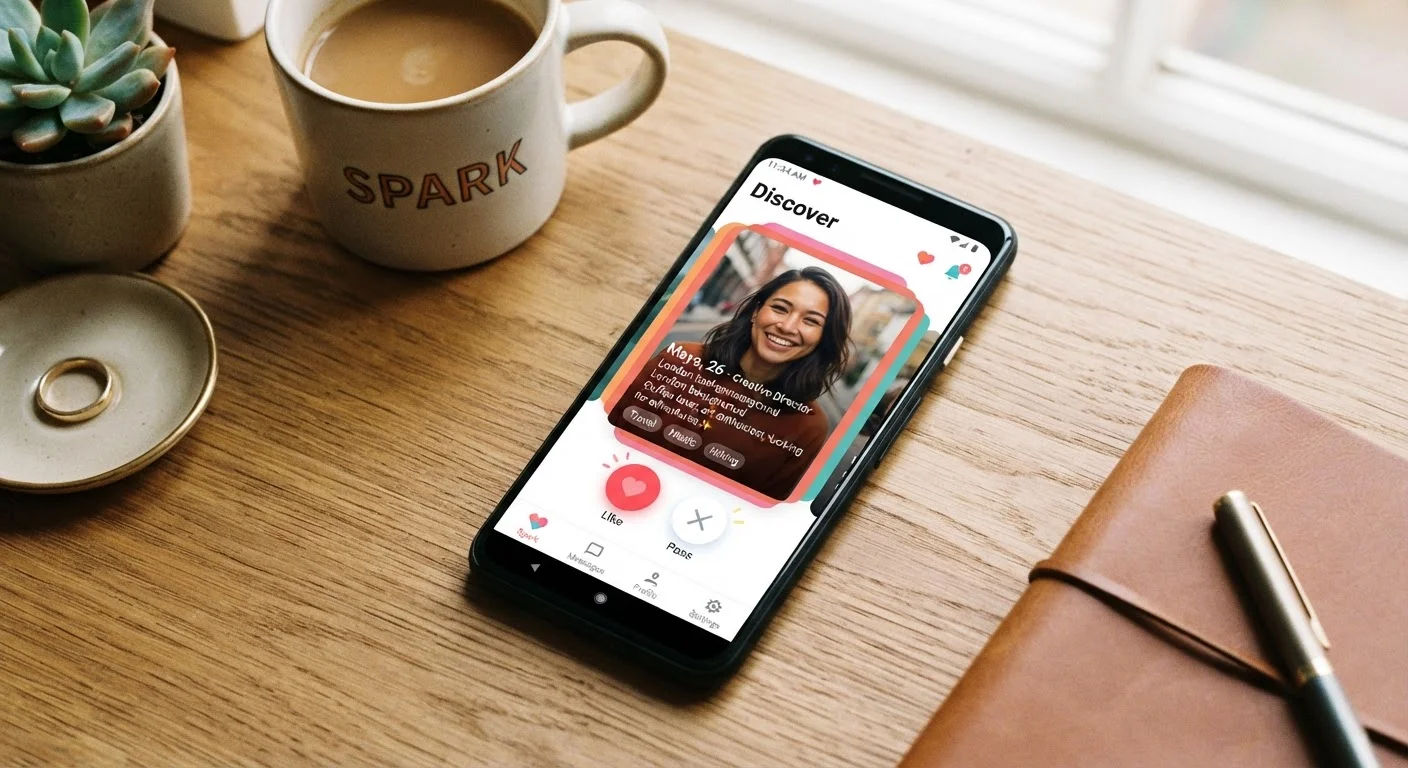
Photo credit: SyndicateExpert.com | Information At The Ready
In this article
A clear-eyed look at how dating apps function, what shapes your matches, and what studies suggest about their effectiveness.
Key Takeaways
- Dating app algorithms prioritize engagement signals, not deep compatibility metrics.
- Profile photos have an outsized influence on initial matching outcomes.
- Research suggests apps can lead to relationships, but with notable trade-offs.
- Apps collect significant personal data — understanding this matters for your privacy.
- Intentional use strategies tend to produce better experiences than passive scrolling.
How Matching Algorithms Actually Work
Most dating apps don't share the full details of their algorithms, but researchers and developers have pieced together how these systems generally operate. Rather than finding your ideal partner through some form of compatibility magic, algorithms are primarily designed to keep you engaged with the platform.
Many apps use a variation of an Elo-style rating system — originally developed for chess rankings — that assigns each user a desirability score based on who swipes right on them and how quickly. Your profile gets shown more frequently to users whose scores are similar to yours. Over time, consistent engagement (logging in regularly, responding to messages) also signals to the algorithm that you're an active user worth surfacing to others.
Some platforms have moved toward machine learning models that factor in behavioral patterns: how long you linger on a profile, which types of bios you engage with, and even the time of day you're most active. These signals shape what you see — often without you realizing it.
~30%
U.S. adults who have used a dating app
According to Pew Research Center survey data, roughly three in ten American adults report having used a dating site or app at some point.
#1
Most common way U.S. couples meet
Research by sociologist Michael Rosenfeld found that online meeting surpassed all other venues for heterosexual couples in the United States.
~12%
Married or partnered couples who met online
Pew Research Center data indicates that a meaningful share of Americans in committed relationships report having first connected through a dating platform.
It's worth understanding that the algorithm's primary goal is platform retention, not your long-term relationship success. That's not cynical — it's just how ad-supported and subscription-based products are built. Knowing this helps you approach the experience with clearer expectations. For a broader look at how online dating compares to meeting in person, see our evidence-based comparison of both approaches.
What Your Profile Is Really Communicating
Your profile is doing more work than you might think — and most of it happens in the first second. Studies on visual attention in online dating consistently find that photos drive the overwhelming majority of initial decisions, often before a single word of a bio is read.
This doesn't mean the bio is irrelevant. Once someone is curious about your photo, a specific, personality-rich bio is what converts curiosity into a swipe right. Generic statements like "I love to laugh" or "looking for my person" tend to be less effective than concrete details — a niche hobby, a genuine opinion, or a specific question that invites a response.
Key profile elements research points to:
- Primary photo: Genuine smiling, good lighting, and a clear face view consistently outperform group shots or photos where you're obscured.
- Photo variety: Showing different contexts (social, active, relaxed) signals a full life rather than a one-dimensional identity.
- Bio specificity: Concrete details give potential matches something to respond to and signal you're a real, thoughtful person.
- Prompt responses: On apps that offer them, prompt answers can convey personality more efficiently than a freeform bio.
If you're unfamiliar with some of the language used in modern dating spaces, our plain-language glossary of dating terms can help you decode what you're seeing in profiles and conversations.
What the Research Says About Outcomes
Dating apps have generated a meaningful share of new relationships and marriages in the U.S. A widely cited study by sociologist Michael Rosenfeld and colleagues found that meeting online had become the most common way heterosexual couples in the U.S. reported meeting — surpassing friends, work, and bars. Same-sex couples had been meeting online at high rates even earlier.
However, outcomes vary considerably based on how apps are used and what users are looking for. Research also documents real downsides: increased likelihood of rejection sensitivity, heightened focus on physical appearance as a filter, and what some researchers describe as a "paradox of choice" — where an abundance of options can make it harder to commit to any one person.
“The assumption that algorithms can identify compatible partners better than the partners themselves is not well supported by the evidence. Compatibility tends to emerge from interaction, not prediction.”
— Eli Finkel, Professor of Social Psychology, Northwestern University, and author of research on online dating
Compatibility built through app-based matching also tends to rely on self-reported preferences, which don't always predict real-world chemistry. Our article on compatibility myths explores why stated preferences and actual attraction often diverge in ways that surprise people.
Apps can absolutely lead to meaningful relationships — but they're a starting point for connection, not a substitute for the real-world process of getting to know someone.
The Psychology Behind Swiping
The swipe mechanic isn't accidental. It borrows from variable-reward psychology — the same principle behind slot machines — where intermittent positive feedback (a match) creates a compelling loop that encourages continued use. Awareness of this dynamic can help you use apps more deliberately rather than reactively.
Research on decision fatigue suggests that making a high volume of rapid judgments degrades the quality of those judgments over time. Users who set intentional limits on daily swiping often report feeling more thoughtful about who they engage with. Similarly, decision-making under conditions of perceived abundance — the sense that there's always someone better around the corner — is associated with lower relationship satisfaction and commitment.
Understanding your own patterns matters here too. If you notice that app use tends to leave you feeling worse rather than better, that's worth paying attention to. Your attachment style can also shape how you experience the highs and lows of app dating in ways that are useful to understand.
Privacy, Data, and What Apps Collect
Dating apps collect more personal data than most users realize. Beyond your profile details, apps may log your location, device identifiers, in-app behavior, and even the content of your messages in some cases. This data can be used for product improvement, advertising targeting, and in some cases shared with third-party partners.
Several major platforms have faced scrutiny and regulatory action in various countries over their data practices. Before signing up, it's worth reviewing an app's privacy policy — specifically what data is collected, how long it's retained, and whether it's shared or sold.
For a deeper understanding of how personal data circulates beyond the apps themselves, our piece on data broker sites explains how your information can end up in places you didn't expect and what you can do about it.
Practical steps to protect yourself include using a dedicated email address for dating apps, being selective about which permissions you grant (especially location access), and periodically reviewing and deleting accounts you're no longer using.
Getting More From the Experience
The most consistent finding across user research and behavioral studies is that intentionality separates positive experiences from frustrating ones. People who use apps with a clear sense of what they're looking for — and who move toward in-person meetings relatively quickly — tend to report better outcomes than those who spend extended periods in message exchanges that never progress.
A few evidence-informed habits worth considering:
- Set a session limit. Dedicated, time-bounded app use tends to feel more purposeful than ambient scrolling throughout the day.
- Move to a real conversation sooner. Extended in-app messaging before meeting can create false intimacy that doesn't hold up in person.
- Be honest in your profile. Self-presentation research consistently shows that profiles close to actual appearance and personality lead to better first-date experiences.
- Take breaks when needed. App fatigue is real. Short breaks often lead to re-engagement with a clearer head.
Safety is also a non-negotiable part of the process. Our safety practices guide covers practical habits for moving from app conversations to in-person meetings securely. And if you're also thinking through what kind of connection you're looking for, our balanced look at the trade-offs of casual dating may help you clarify your intentions before diving in.
Dating apps are tools — imperfect, commercially motivated, and shaped by design choices that don't always align with your goals. But used with awareness, they remain one of the most accessible ways to meet people outside your existing social circle.

Author
Relationships & Community Editorial Team
Relationships & Community Editorial Team is the collective byline for our editorial team and contributor network. Articles published under this byline or an editorial pen name are researched, written, and reviewed according to our editorial standards for clarity, consistency, and independence before publication.
View all articles →