
Brake Wear: Sounds, Sensations, and When to Stop Driving
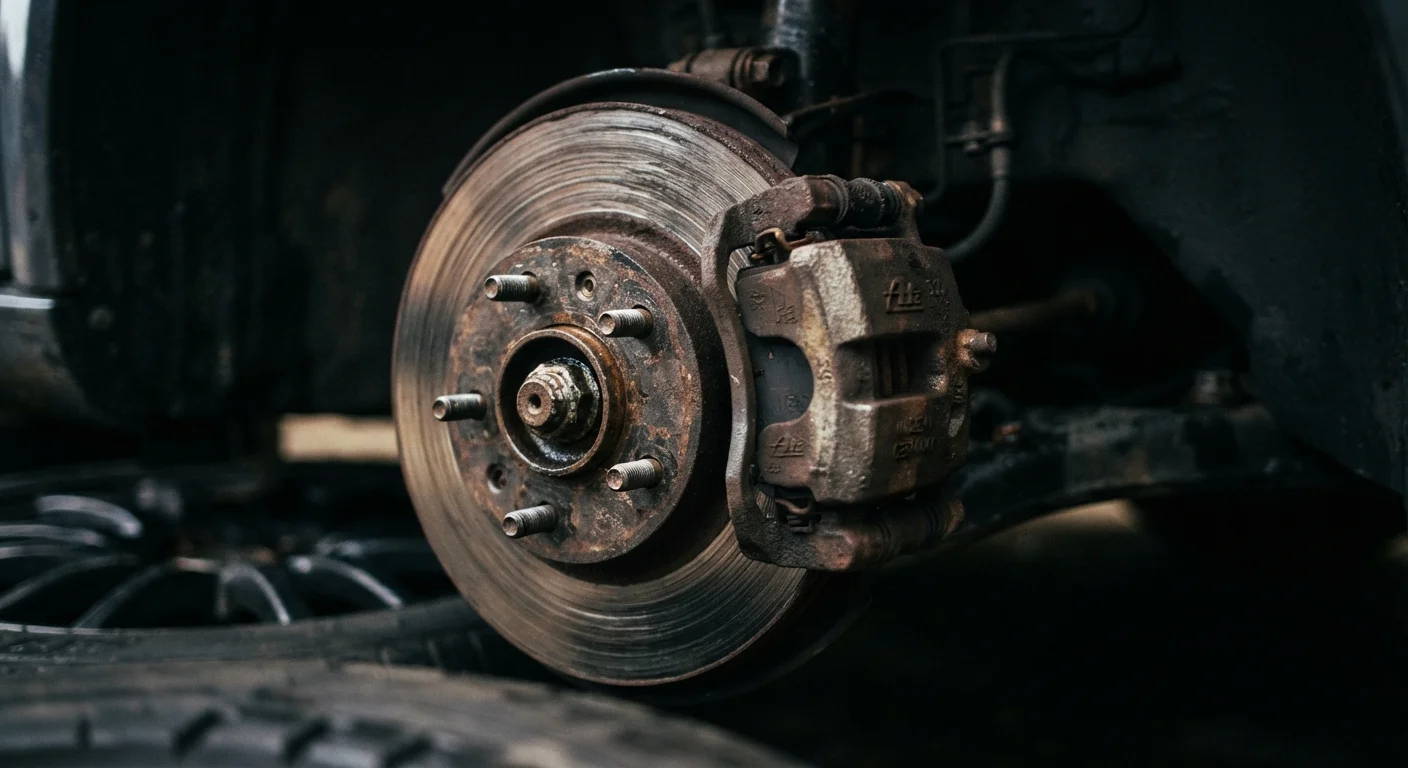
Photo credit: SyndicateExpert.com | Information At The Ready
In this article
Squealing, grinding, or a soft pedal — each brake symptom signals something different. Learn what they mean and when a mechanic visit can't wait.
What Your Brakes Are Trying to Tell You
Your brake system communicates wear through sounds, sensations, and visual cues - each symptom pointing to a specific problem. Understanding the difference between a squeal and a grind, or a spongy pedal and a pulsating one, helps you make faster, smarter decisions about when driving is still safe and when the car needs to stay parked.
| Typical brake pad lifespan | 25,000-65,000 miles (varies by driving style and pad type) |
| Minimum safe rotor thickness | Stamped on rotor edge; discard below manufacturer spec |
| Brake fluid change interval | Every 2 years or per manufacturer recommendation |
| Wear indicator squeal trigger | Approximately 2-3 mm of pad material remaining |
| ABS warning light meaning | Anti-lock braking system fault - hydraulic brakes still function but ABS may not |
| Brake warning light meaning | Low fluid level, parking brake engaged, or system fault - investigate immediately |
Brakes are designed with built-in wear indicators - small metal tabs that contact the rotor when pad material gets too thin, producing that familiar high-pitched squeal. That squeal is intentional: it's your warning signal. Grinding, by contrast, typically means the pads have worn through entirely and metal is contacting metal - a more urgent situation that can damage rotors rapidly. See our guide to brake fluid and other under-hood fluids for context on how hydraulic pressure supports everything your pads and rotors do.
Brake Symptoms Decoded
Use this reference to match what you're experiencing to its most likely cause and urgency level.
Brake pad
A friction material pressed against the rotor to slow the wheel. Pads wear down gradually with use and must be replaced before the friction material is fully depleted.
Rotor (disc)
The flat metal disc that rotates with the wheel. The brake caliper squeezes pads against both rotor faces to create stopping friction. Rotors can warp or wear thin over time.
Caliper
The hydraulic clamp that holds brake pads and squeezes them against the rotor when you press the pedal. A stuck or seized caliper can cause uneven wear or overheating.
Wear indicator
A small metal tab built into the brake pad that contacts the rotor when pads wear to a critical thickness, producing a squealing sound as an audible warning.
Master cylinder
The central hydraulic component that converts pedal force into hydraulic pressure, pushing brake fluid through the lines to each wheel's caliper or wheel cylinder.
Brake fade
A temporary reduction in braking effectiveness caused by overheated pads or rotors, most common after prolonged or repeated heavy braking such as descending a long grade.
| Symptom | Likely Cause | Urgency |
|---|---|---|
| High-pitched squeal | Wear indicator tab contacting rotor; pads nearing end of life | Schedule service within 1-2 weeks |
| Grinding or growling | Pads fully worn; metal-on-metal contact damaging rotor | Do not delay - seek service immediately |
| Soft or spongy pedal | Air in brake lines or low/degraded brake fluid | Do not drive - have vehicle towed or inspected before use |
| Pedal sinks to the floor | Severe fluid leak or master cylinder failure | Do not drive - emergency situation |
| Pulling to one side | Uneven pad wear, stuck caliper, or fluid leak on one side | Schedule service promptly |
| Pulsating pedal or vibration | Warped rotors | Schedule service; avoid high-speed driving |
| Burning smell after braking | Overheated pads or a stuck caliper | Pull over safely, allow cooling, then seek inspection |
On slippery surfaces, brake behavior changes significantly - consult our article on adjusting your driving for wet roads and black ice to understand how worn brakes compound traction risks.
When to Stop Driving Immediately
Some brake symptoms mean you should not continue driving under any circumstances. Pull over safely and arrange a tow if you notice:
- The brake pedal travels all the way to the floor
- Braking produces almost no deceleration
- The vehicle pulls sharply and uncontrollably to one side during braking
- A burning odor persists after the vehicle stops
A qualified mechanic should inspect the system before the vehicle is driven again in any of these situations. No maintenance task is worth the risk of brake failure at highway speed or in stop-and-go traffic.
For a broader look at pre-drive safety checks - including lights, tires, and mirrors - see our pre-trip safety checklist. Routine brake inspection fits naturally into that habit. Maintaining your tires in parallel also matters: proper tire pressure and tread depth directly affect how effectively your brakes can stop the vehicle.

Author
Cars & Driving Editorial Team
Cars & Driving Editorial Team is the collective byline for our editorial team and contributor network. Articles published under this byline or an editorial pen name are researched, written, and reviewed according to our editorial standards for clarity, consistency, and independence before publication.
View all articles →