
Before You Pull Out of the Driveway: A Pre-Trip Safety Check
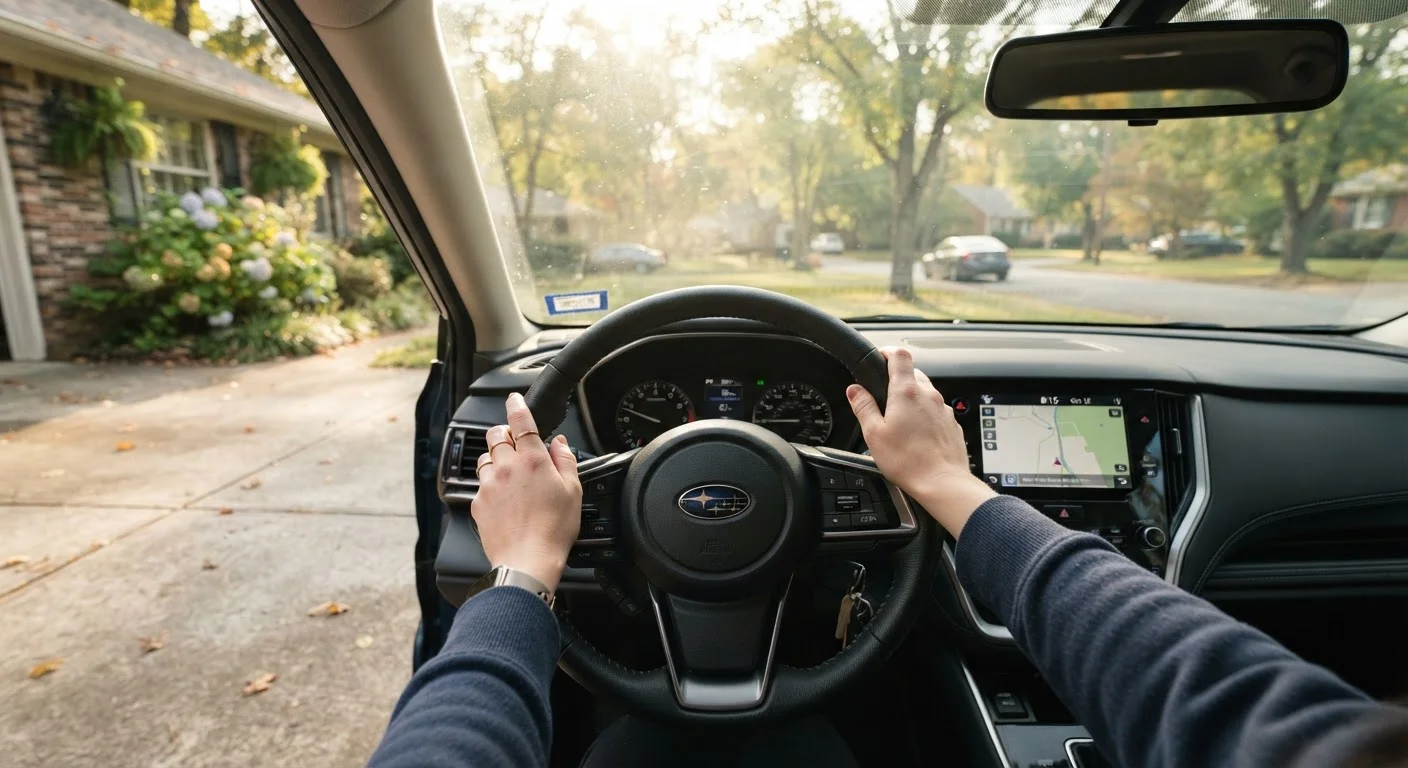
Photo credit: SyndicateExpert.com | Information At The Ready
In this article
A practical checklist covering mirrors, tires, lights, and more — everything worth verifying before a short commute or a long road trip.
Key Takeaways
- Most pre-trip safety checks take under 10 minutes and require no tools.
- Tires, lights, mirrors, and fluid levels are the four highest-priority areas before any drive.
- A consistent walk-around habit catches problems before they become roadside emergencies.
- Dashboard warning lights should never be ignored before starting a trip.
- Both short commutes and long road trips benefit from the same core checklist.
Why a Pre-Trip Check Is Worth the Extra Minutes
Most vehicle breakdowns and many preventable collisions trace back to something the driver could have spotted before leaving home. A tire that was visibly low. A brake light that had been burned out for weeks. A windshield so fogged it obscured the first intersection. None of these take long to check — they just require the habit.
This checklist is designed to work for any drive: a morning commute, an errand run, or a multi-state road trip. The items marked must are non-negotiable regardless of distance. Should items deserve attention on longer drives or in adverse conditions. Nice-to-have checks add an extra margin of confidence, especially if your vehicle hasn't been driven in a few days.
For deeper guidance on tires — one of the most safety-critical systems on the car — see our tire pressure and tread maintenance guide. And if you're heading into uncertain weather, pair this checklist with our severe weather driving field guide before you go.
Tires
Lights and Visibility
Mirrors and Sightlines
Fluid Levels
Dashboard and Controls
Cargo, Occupants, and Emergency Gear
Tools and What You'll Need
The good news: nearly everything on this checklist can be completed with your eyes, your hands, and a minute or two of focused attention. A few optional tools make the tire and fluid checks more precise.
Tire pressure gauge
Measures tire inflation accurately so you can compare to the manufacturer-recommended PSI for your vehicle.
Flashlight or phone torch
Helps inspect undercarriage fluid drips, tire sidewalls, and engine bay components in low-light conditions.
Coin (quarter or penny)
Used to perform a quick tread depth check without needing a dedicated gauge.
Clean lint-free rag
Needed to wipe the oil dipstick clean before taking an accurate reading.
If your dashboard lights up with an unfamiliar symbol before you leave, don't guess. Our guide on what your check engine light is actually telling you breaks down the most common warnings and which ones require immediate action.
Never Ignore a Red Warning Light
A red dashboard warning light — particularly for oil pressure, engine temperature, or brake system — signals a condition that may make the vehicle unsafe to drive. Do not assume it will clear on its own. Pull over safely if the light appears while driving, and consult a qualified mechanic before continuing. Ignoring red warnings can result in engine damage, brake failure, or loss of vehicle control.
Building the Habit: Making This Stick
The challenge with pre-trip checks isn't knowledge — it's consistency. Experienced drivers often skip steps they've done hundreds of times, which is exactly when a problem gets missed. A simple walk-around of your vehicle before getting in takes roughly 60 seconds and covers lights, tires, and any obvious fluid puddles under the car. Make it part of approaching the driver's door, not a separate task you remember to do.
Mirrors deserve particular attention. Most drivers set them once and never re-check them, but mirrors don't eliminate blind spots — they only reduce them. Confirm your driver-side, passenger-side, and rearview mirrors are correctly positioned for your current seating position every time.
If you're teaching a new driver, consider running through this checklist together before early supervised sessions. Our resource on teen drivers and supervised practice covers why pre-drive habits established early tend to persist throughout a driving lifetime. For broader seasonal preparation — such as checking your battery and cooling system before summer or winter — visit our seasonal car prep guide.
Don't Skip Checks on 'Just a Quick Trip'
Most tire blowouts, brake failures, and lighting violations happen on routine, familiar drives — not long road trips. Distance doesn't determine risk; vehicle condition does. Treating every drive as one worth a quick check is the mindset that prevents preventable incidents.

Author
Cars & Driving Editorial Team
Cars & Driving Editorial Team is the collective byline for our editorial team and contributor network. Articles published under this byline or an editorial pen name are researched, written, and reviewed according to our editorial standards for clarity, consistency, and independence before publication.
View all articles →