
What Your Check Engine Light Is Actually Telling You
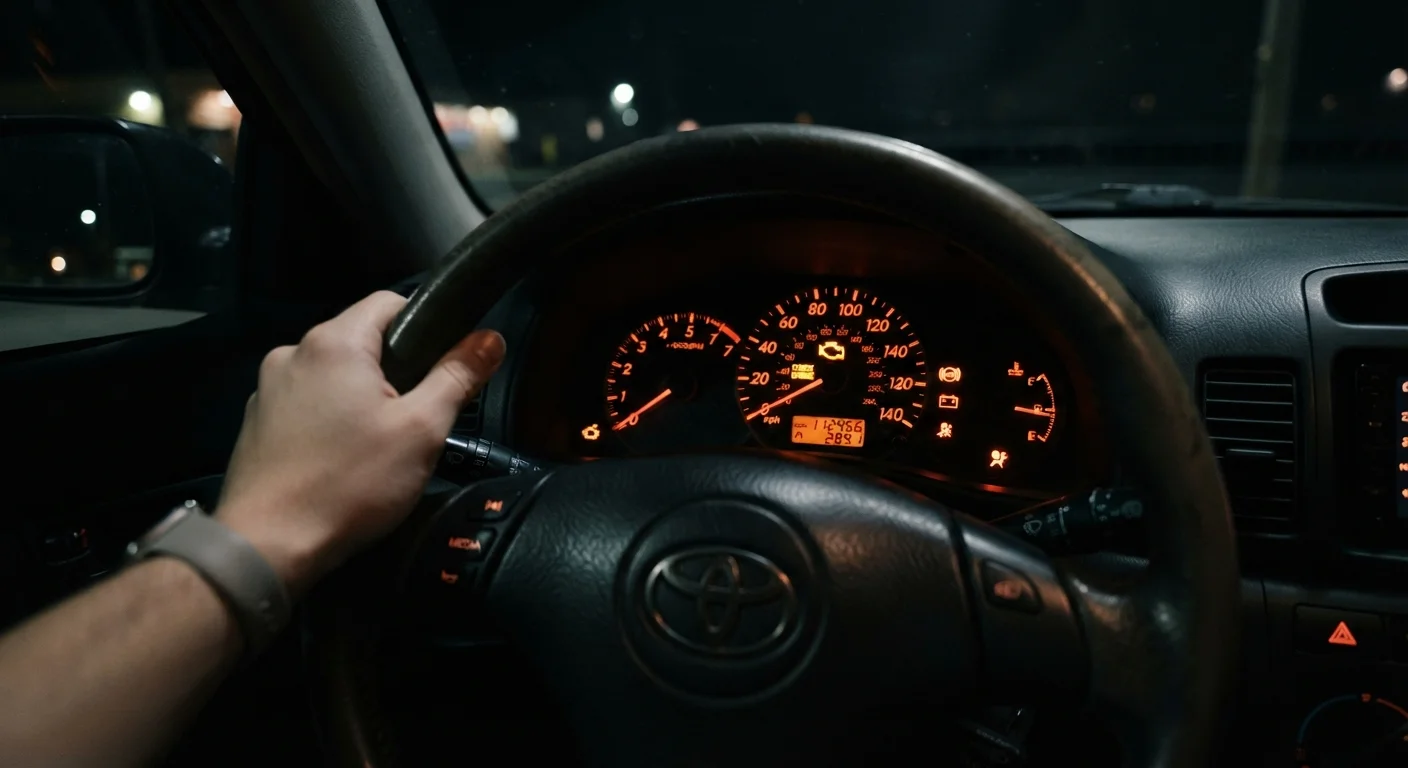
Photo credit: SyndicateExpert.com | Information At The Ready
In this article
Decode the check engine light: what triggers it, which situations need immediate attention, and when it's safe to drive to a shop.
Key Takeaways
- A steady check engine light usually means a non-emergency fault; a flashing light signals a serious issue requiring immediate action.
- The only way to know the exact cause is to read the stored diagnostic trouble code with a scan tool.
- Common triggers include a loose gas cap, faulty oxygen sensor, failing catalytic converter, or spark plug issues.
- Ignoring the light for extended periods can turn a minor repair into a major one.
- Many auto parts retailers offer free OBD-II code reading as a starting point before visiting a mechanic.
How the System Actually Works
Your car's OBD-II system is essentially a network of sensors monitoring dozens of parameters - fuel trims, exhaust oxygen levels, coolant temperature, ignition timing, and more. When a sensor reading falls outside acceptable limits across multiple checks, the engine control module logs a diagnostic trouble code and turns on the check engine light.
The light itself tells you nothing specific - that's by design. The stored code is the real message, and it requires a scan tool to retrieve. Codes follow a standardized format: a letter indicating the system (P for powertrain, B for body, C for chassis, U for network) followed by four digits. A code like P0420, for instance, points to catalyst efficiency below threshold on Bank 1.
For a broader look at what other dashboard symbols mean and how urgently each requires attention, see our plain-English dashboard warning lights reference.
P0420
One of the most common check engine codes reported
Catalytic converter efficiency codes are among the most frequently scanned fault codes across US vehicle fleets, according to OBD-II data aggregators.
~40%
Check engine lights linked to oxygen sensor or gas cap faults
Industry estimates suggest a significant share of check engine light triggers trace back to relatively straightforward emissions-related faults such as O2 sensors and fuel cap issues.
1996
Year OBD-II became mandatory in all US passenger vehicles
The EPA mandated standardized OBD-II diagnostics on all cars and light trucks sold in the United States from the 1996 model year onward.
Steady vs. Flashing: The Urgency Difference
The behavior of the light matters as much as its presence. A steady check engine light means the system has detected a fault that warrants attention, but the car is generally not in immediate danger. You can typically drive to a shop within the next day or two.
A flashing or blinking check engine light is a different story. This indicates an active misfire - the engine is firing unevenly, and unburned fuel is entering the exhaust system. That excess fuel can overheat the catalytic converter to the point of destruction in a short drive. If you see a flashing light, reduce your speed, limit acceleration, and get the car inspected as soon as possible. Continuing to drive aggressively risks turning a manageable repair into a much costlier one.
This urgency logic applies to other warning systems too - brake warning symptoms follow a similar tiered response framework depending on severity.
The Most Common Causes
While the check engine light can reflect hundreds of possible codes, a relatively small group of faults account for the majority of triggers on everyday vehicles:
- Loose or faulty gas cap: One of the simplest fixes. The evaporative emissions system seals the fuel system; a gap lets vapors escape and trips the sensor.
- Oxygen (O2) sensor failure: O2 sensors measure exhaust gases to help the engine control module fine-tune the air-fuel mixture. A failing sensor reduces fuel efficiency and can affect emissions output.
- Catalytic converter degradation: The catalytic converter reduces harmful exhaust pollutants. Over time - especially if maintenance has been deferred - it loses efficiency and triggers a fault code.
- Mass airflow (MAF) sensor fault: The MAF sensor measures incoming air volume. A dirty or failing sensor throws off the fuel mixture calculation.
- Spark plug or ignition coil issues: Worn spark plugs or a failing coil can cause misfires, which is one of the more urgent causes. These are also among the more straightforward fixes when caught early.
- Evaporative emissions (EVAP) leak: Beyond the gas cap, small cracks in hoses or a failing purge valve can allow fuel vapor leaks the system flags as faults.
Keeping up with scheduled maintenance - your owner's manual outlines exactly when spark plugs and other components need attention - reduces the odds of many of these faults arising.
What to Do When the Light Comes On
Stay calm and observe. Is the light steady or flashing? Are there any other symptoms - rough idling, loss of power, unusual smells, or other warning lights? These observations help narrow the field before you even plug in a scan tool.
- Check the gas cap first. Remove it, inspect the seal for cracks, and reinstall it firmly. If that was the issue, the light may clear after a day or two of driving.
- Get the code read. Many auto parts retailers offer free OBD-II code reading. This gives you the specific fault code - a useful starting point for a conversation with a mechanic, even if it doesn't replace a full diagnosis.
- Don't clear the code before diagnosis. Erasing codes without fixing the underlying issue just resets the light temporarily. A mechanic needs that code, along with freeze-frame data, to diagnose accurately.
- See a qualified mechanic. A code reading narrows the field, but proper diagnosis requires inspecting the actual component in context. A shop with a professional-grade scan tool can access live data and confirm whether a part has truly failed.
Before long trips where unexpected warning lights could complicate things, a quick vehicle check is worth the few minutes it takes - see our pre-trip safety check guide for a practical walkthrough.
Frequently Asked Questions

Author
Cars & Driving Editorial Team
Cars & Driving Editorial Team is the collective byline for our editorial team and contributor network. Articles published under this byline or an editorial pen name are researched, written, and reviewed according to our editorial standards for clarity, consistency, and independence before publication.
View all articles →