
Dashboard Warning Lights: A Plain-English Reference
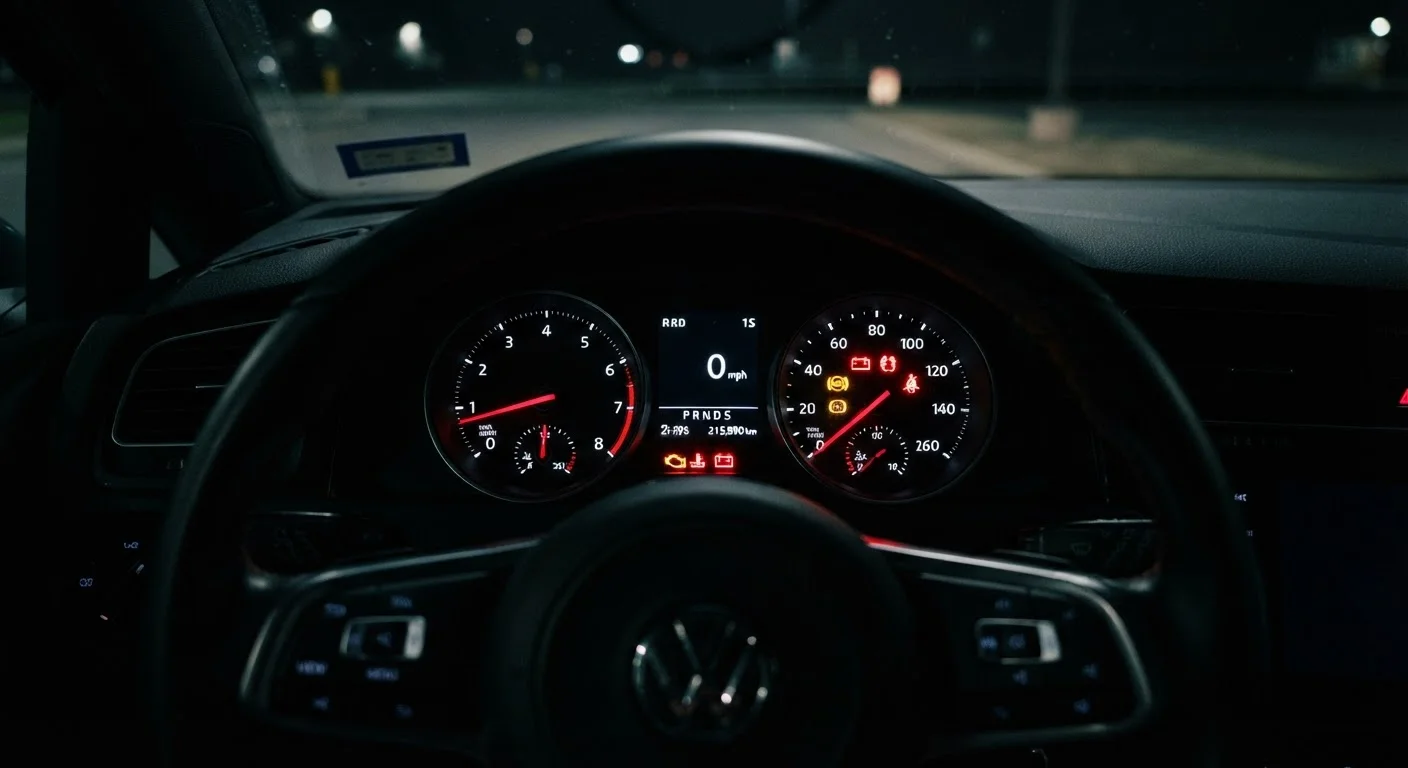
Photo credit: SyndicateExpert.com | Information At The Ready
In this article
A clear, symbol-by-symbol guide to what your dashboard warning lights mean, organized by urgency so you know when to act immediately.
Why Warning Lights Exist - and Why They Matter
Your car's onboard diagnostic system monitors dozens of sensors continuously. When something falls outside normal parameters, it triggers a dashboard warning light to alert you. These lights aren't arbitrary - they represent real, measured conditions that your vehicle's computer has flagged for attention.
Ignoring a warning light is one of the most common - and costly - mistakes drivers make. A light that seems minor today can signal a developing problem that, left unaddressed, leads to expensive repairs or a roadside breakdown. Think of warning lights as early-warning tools, not nuisances. Being fluent in what they mean is a core part of confident car ownership. For a broader grounding in maintenance basics, see our beginner's guide to car maintenance.
| Warning light colors | Red = immediate action; Amber/Yellow = investigate soon; Green/Blue = status only |
| Flashing check engine light | More urgent than a steady light - reduce speed and seek diagnosis promptly |
| Tire pressure spec location | Driver's door jamb sticker - not the tire sidewall |
| Reading fault codes | Any OBD-II scanner can retrieve the code that triggered your check engine light |
| Oil pressure response | Pull over and shut off engine immediately - seconds matter for engine survival |
| Service reminder light | A reminder, not an emergency - schedule within a reasonable timeframe |
Red Lights: Stop or Act Immediately
Red warning lights indicate conditions that can cause immediate damage to your engine, compromise your safety, or both. When a red light appears, take it seriously.
- Oil Pressure Warning (oil can icon): Your engine oil pressure has dropped dangerously low. Pull over safely and shut off the engine as soon as possible. Driving on low oil pressure can destroy an engine within minutes. Check the oil level - if it's adequate and the light persists, do not drive; have the vehicle inspected. See our guide to under-hood fluids for how to check oil correctly.
- Engine Temperature Warning (thermometer in water): The coolant temperature is critically high. Pull over, turn off the engine, and let it cool before opening the hood. Never remove the radiator cap on a hot engine - steam and pressure can cause burns.
- Battery / Charging System (battery icon): The vehicle's charging system is failing, meaning the alternator may not be replenishing the battery. Electrical systems will gradually lose power. Limit electrical loads and get to a service shop promptly.
- Brake System Warning (exclamation in circle or "BRAKE"): This can mean the parking brake is engaged, brake fluid is low, or there's a fault in the hydraulic brake system. If the parking brake is off and the light remains, treat this as urgent - brake failure is a serious safety risk.
Yellow / Amber Lights: Investigate Soon
Amber or yellow lights indicate conditions that need attention but are generally not immediate emergencies. You can usually continue driving - carefully - to a safe location, but you should not ignore these lights for days or weeks.
OBD-II
On-Board Diagnostics, second generation - a standardized system used in most vehicles sold after 1996 that monitors engine and emissions components. A scan tool plugged into the OBD-II port can read fault codes that triggered warning lights.
Fault Code (DTC)
A Diagnostic Trouble Code stored in the vehicle's computer when a sensor or system reading falls outside acceptable limits. Codes correspond to specific issues and can be read with an OBD-II scanner available at most auto parts stores.
Catalytic Converter
An emissions control device in the exhaust system that converts harmful gases into less harmful substances. A flashing check engine light often indicates engine misfires sending raw fuel into the converter, which can cause expensive damage.
TPMS
Tire Pressure Monitoring System - a sensor-based system that alerts drivers when tire pressure drops significantly below the recommended level. It does not replace regular manual pressure checks.
Alternator
A generator driven by the engine belt that recharges the battery while the vehicle is running. A failing alternator will eventually drain the battery and cause a no-start condition.
Coolant
A fluid (also called antifreeze) that circulates through the engine and radiator to regulate operating temperature. Low or degraded coolant can lead to overheating and serious engine damage.
- Check Engine Light (engine outline icon): This is the most misunderstood light on any dashboard. It can indicate anything from a loose gas cap to a misfiring engine. A steady check engine light means schedule a diagnostic scan soon. A flashing check engine light is more urgent - it often signals a severe misfire that can damage the catalytic converter. Ease off the throttle and get it checked promptly.
- Tire Pressure Monitoring System - TPMS (flat tire with exclamation): One or more tires have dropped below the recommended pressure threshold. Check all four tires and inflate to the spec listed on the sticker inside the driver's door jamb - not the number on the tire's sidewall.
- Traction Control / Stability Control (car with wavy lines): The system has activated to prevent wheel slip. A light that stays on when roads are dry may indicate a sensor or system fault worth investigating.
- Transmission Temperature (thermometer in gear): Transmission fluid is running too hot, often due to towing, heavy loads, or low fluid. Reduce load and allow the vehicle to cool.
- Service Required / Maintenance Due (wrench icon or text): The vehicle's mileage- or time-based service interval has been reached. This is a reminder, not an emergency, but don't delay scheduling service. Your owner's manual maintenance schedule tells you exactly what's due.
Blue and Green Lights: Status Indicators
Not every dashboard light signals trouble. Blue and green lights are typically informational - they tell you a system is active, not that something is wrong.
- High Beams (blue beam icon): Your high beams are on. Remember to switch to low beams when oncoming traffic is within 500 feet, or when following another vehicle closely.
- Turn Signal Indicators (green arrows): A directional signal is active. If an arrow flashes unusually fast, a turn signal bulb may have burned out.
- Cruise Control (green car with arrows): Cruise control is engaged. Stay alert - the system doesn't brake for hazards or account for traffic.
- AWD/4WD Engaged (green 4WD): A four-wheel drive or all-wheel drive mode is active. Some modes are not intended for dry pavement - consult your owner's manual.
Understanding the full spectrum of your dashboard gives you confidence on the road. For safety-related driving situations, our Driving & Safety hub covers conditions from severe weather to speed management.

Author
Cars & Driving Editorial Team
Cars & Driving Editorial Team is the collective byline for our editorial team and contributor network. Articles published under this byline or an editorial pen name are researched, written, and reviewed according to our editorial standards for clarity, consistency, and independence before publication.
View all articles →