
Car Ownership for Beginners: What to Maintain, When, and Why
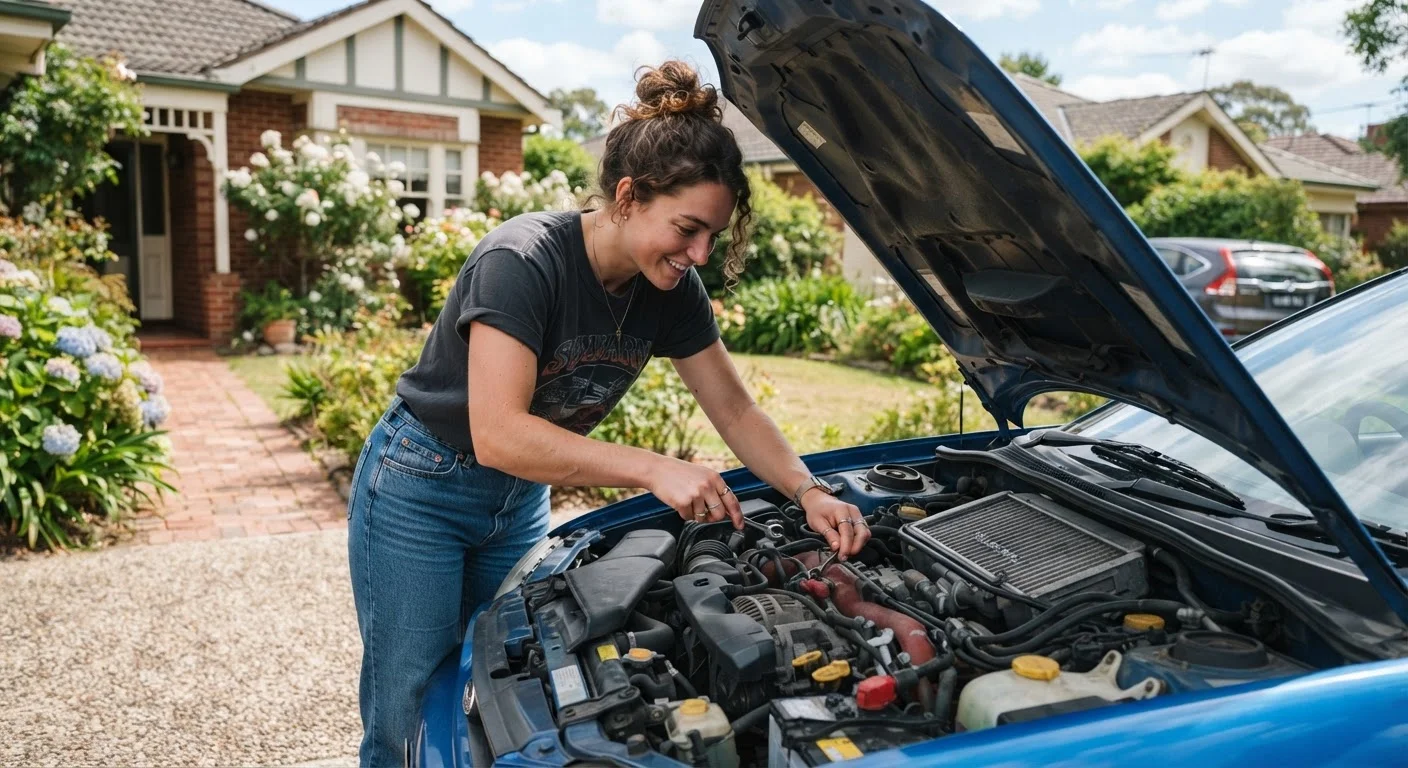
Photo credit: SyndicateExpert.com | Information At The Ready
In this article
First car? This plain-language guide walks through the core maintenance concepts every new driver needs to understand before anything goes wrong.
Key Takeaways
- Your owner's manual contains the most reliable maintenance schedule for your specific vehicle.
- Engine oil, tires, brakes, and coolant are the four systems most critical to monitor regularly.
- Skipping routine maintenance rarely saves money - it typically creates larger, more expensive repairs later.
- Most maintenance tasks follow mileage intervals, not just calendar time.
- Even drivers who don't do their own repairs benefit greatly from understanding what their car needs and why.
Why Maintenance Matters More Than Most New Owners Expect
A car is one of the most mechanically complex things most people own - and one of the easiest to neglect until something goes wrong. Unlike a smartphone that slows down gradually, a poorly maintained vehicle can fail suddenly and expensively. Understanding maintenance isn't just about keeping your car running; it's about protecting your safety, your budget, and your investment.
The good news: you don't need to be a mechanic to stay on top of your car's needs. You just need to know which systems matter, what warning signs to watch for, and roughly when things need attention. That foundation is what this guide builds. For a broader overview of everything that goes into owning a car in America, this complete starting point covers the full picture.
The Core Maintenance Items Every Driver Should Know
While modern cars have dozens of systems, a handful account for the vast majority of routine maintenance needs:
- Engine oil: Oil lubricates moving parts inside the engine. Over time and mileage, it breaks down and becomes less effective. Oil changes are the single most important recurring maintenance task - neglect them and engine wear accelerates rapidly.
- Tires: Tire pressure affects fuel efficiency, handling, and safety. Tread depth determines how well the tire grips the road, especially in wet conditions. Rotation extends tire life by evening out wear patterns. See our practical tire maintenance routine for the specifics.
- Brakes: Brake pads wear down with use. Squealing or grinding sounds are common warning signs. Brake fluid also needs periodic attention - it absorbs moisture over time, which can affect performance.
- Coolant (antifreeze): Coolant regulates engine temperature. Low or degraded coolant leads to overheating, which can cause serious and expensive engine damage.
- Other fluids: Transmission fluid, power steering fluid, and windshield washer fluid all need periodic checks. Fluids under the hood explains what each reservoir does and what warning signs of low or degraded fluid look like.
- Air filters: Engine and cabin air filters become clogged over time. A clogged engine air filter reduces performance and fuel efficiency; a clogged cabin filter affects air quality inside the car.
- Battery: Car batteries typically last three to five years. Slow engine cranking or electrical issues can signal a weakening battery before it fails completely.
Oil viscosity
A measure of how thick or thin engine oil is and how it flows at different temperatures. Your owner's manual specifies the correct viscosity (e.g., 5W-30) for your engine.
Service interval
The recommended mileage or time period between maintenance tasks, such as oil changes or tire rotations. Intervals are set by the vehicle manufacturer based on how each system wears.
Brake rotor
The flat metal disc that brake pads press against to slow the vehicle. Rotors can warp or wear thin over time, especially if brake pads are not replaced promptly when worn.
Coolant (antifreeze)
A fluid that circulates through the engine to absorb heat and prevent it from overheating or freezing in cold weather. It must be maintained at the correct level and replaced periodically.
Tread depth
The measurement of the grooves in a tire's surface. Adequate tread depth is essential for channeling water away and maintaining grip; worn tread significantly increases stopping distance on wet roads.
Maintenance reminder system
A built-in vehicle feature that monitors driving conditions and alerts the driver when a service - typically an oil change - is due, based on actual usage rather than a fixed calendar.
How to Know When Service Is Due
One of the most common mistakes new owners make is guessing at service intervals or relying entirely on the sticker a shop puts in the corner of the windshield. The most authoritative source for your specific car is always the manufacturer's maintenance schedule in your owner's manual. It accounts for your engine type, transmission, and how the vehicle was designed to operate.
Reading your owner's manual's maintenance schedule section explains how to interpret that information in plain language - it's less intimidating than it looks. In general, service intervals are expressed in miles, not just months. A car driven primarily in stop-and-go city traffic or extreme temperatures may need more frequent attention than one used for steady highway commuting.
Most modern vehicles also include a built-in maintenance reminder system that monitors driving conditions and alerts you when an oil change or other service is due. These systems are reliable tools, but they work best when combined with your own awareness of the schedule - not as a replacement for it.
What Happens When You Skip Routine Maintenance
Deferred maintenance has a compounding effect. Skipping an oil change once is unlikely to cause immediate harm. Skipping several in a row, or pushing well past the recommended interval repeatedly, accelerates engine wear and can lead to sludge buildup - a condition where old oil turns into a thick residue that restricts oil flow. Repairing or replacing an engine is orders of magnitude more expensive than a routine oil change.
The pattern repeats across systems. Worn brake pads that aren't replaced eventually damage the rotors, turning a relatively inexpensive job into a significantly costlier one. Low coolant that goes unaddressed can lead to a blown head gasket - one of the more serious and expensive engine repairs a car can require. The maintenance tasks drivers most often put off breaks down which overlooked jobs tend to compound into expensive repairs.
Understanding which maintenance is truly critical helps you prioritize if budget is tight - but the general rule holds: prevention is always cheaper than repair.
Building a Simple Maintenance Routine
Consistency beats perfection. You don't need a complex tracking system - a basic approach works well for most drivers:
- Read your owner's manual maintenance section once. Note the major intervals: when oil changes, tire rotations, brake inspections, and fluid services are due.
- Do a quick monthly walkaround. Check tire pressure visually (a flat or low tire is often visible), look for any fluid spots under the car, and test your lights.
- Track mileage loosely. Note your odometer reading after each oil change. When you're approaching the next interval, schedule the service rather than waiting until you're well past it.
- Keep service records. A simple folder with receipts tells you what's been done and when - useful for resale and for troubleshooting future issues.
For a practical checklist covering everything you should have in order in your first year of ownership - from insurance documentation to an emergency kit - see Your First Year Owning a Car. And if you want to go deeper on every vehicle system and its maintenance needs, Car Maintenance From the Ground Up is the comprehensive resource to bookmark.
Routine maintenance is one of the few areas of car ownership where consistent small investments reliably prevent large unexpected expenses. Building the habit early makes it second nature - and keeps you safer on the road.
Frequently Asked Questions

Author
Cars & Driving Editorial Team
Cars & Driving Editorial Team is the collective byline for our editorial team and contributor network. Articles published under this byline or an editorial pen name are researched, written, and reviewed according to our editorial standards for clarity, consistency, and independence before publication.
View all articles →