
The Maintenance Tasks Drivers Most Often Put Off (And Why That Gets Costly)
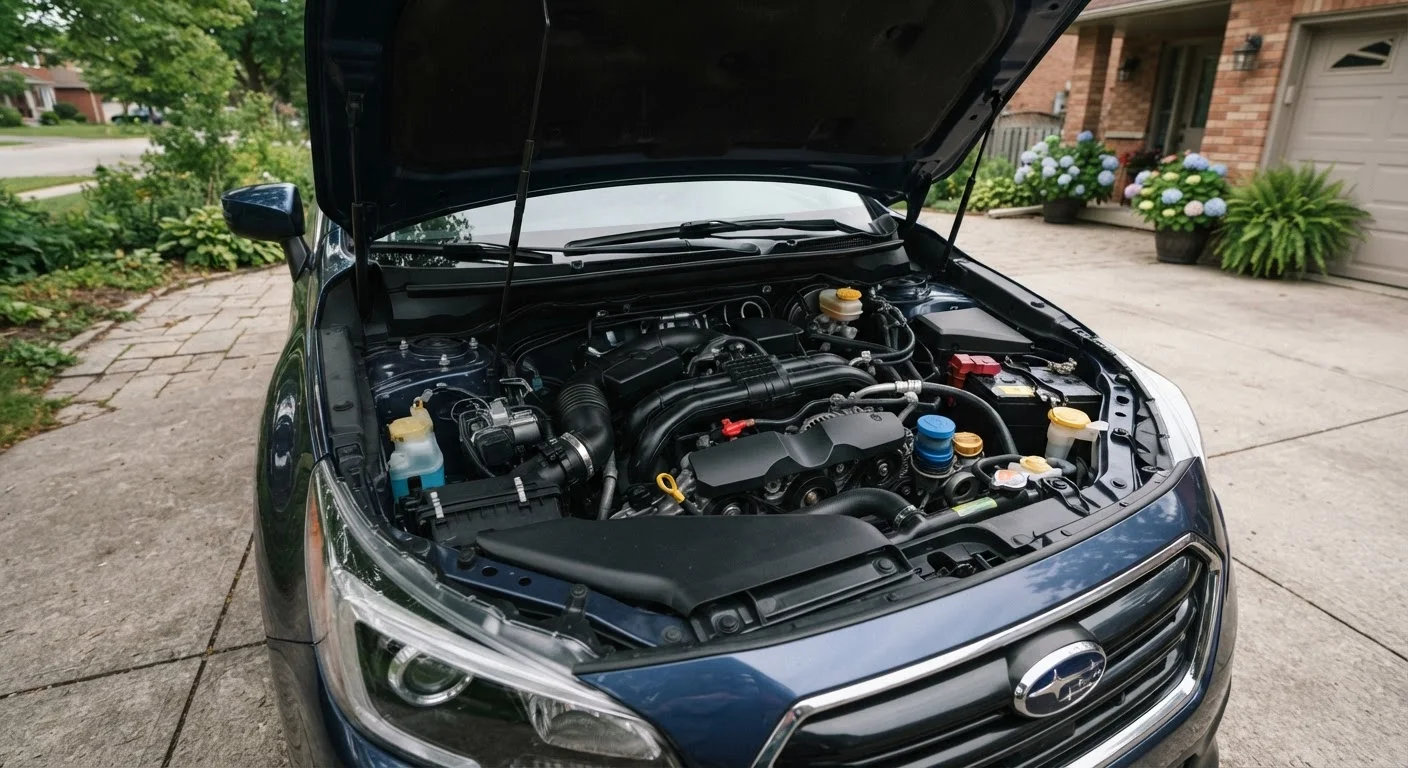
Photo credit: SyndicateExpert.com | Information At The Ready
In this article
Cabin air filters, transmission fluid, coolant flushes — these overlooked jobs quietly compound into expensive repairs. Here's what tends to slip through.
Key Takeaways
- Delaying transmission fluid changes is one of the most expensive deferred maintenance mistakes drivers make.
- Cabin air filters and coolant flushes are frequently skipped because they cause no immediate, obvious symptoms.
- Most neglected maintenance tasks cost far more to fix reactively than to address on schedule.
- Your owner's manual remains the most reliable source for service intervals specific to your vehicle.
Why Certain Maintenance Tasks Keep Getting Skipped
There's a clear pattern to the maintenance items drivers most commonly defer: they tend to be invisible, symptom-free in the short term, and absent from the quick-lube checklist that most people associate with routine car care. Oil changes get done because the reminder sticker is right there on the windshield. Transmission fluid, coolant, brake fluid, and cabin air filters operate quietly in the background - until they don't.
The consequence isn't just mechanical. Deferred maintenance almost always costs more than preventive maintenance. A $150 transmission fluid service looks very different from a $3,000 transmission rebuild. Understanding why these tasks get skipped is the first step toward actually keeping up with them. See our guide to which services are truly critical for a broader view of how to prioritize your maintenance calendar.
Don't Rely on Warning Lights Alone
Many overlooked maintenance items - coolant condition, transmission fluid degradation, cabin air filter clogging - produce no dashboard warning light until the underlying problem is already serious. Waiting for a light to appear is not a maintenance strategy. Follow your vehicle's scheduled intervals instead.
The Overlooked Jobs - and What Skipping Them Actually Costs
The mistakes below represent the most common deferred maintenance patterns we see in everyday car ownership. Each one follows the same trajectory: low immediate consequence, rising background damage, eventual expensive repair. For a comprehensive overview of every major vehicle system and its service needs, the end-to-end maintenance resource is worth bookmarking.
Ignoring transmission fluid changes until shifting problems appear.
Why it happens: Transmission fluid doesn't have a dipstick on many modern vehicles, making it invisible and easy to forget. There's no amber light reminding you it's due.
Letting the cabin air filter go years without replacement.
Why it happens: A clogged cabin filter rarely causes a dramatic symptom - reduced airflow from the vents is gradual and easy to normalize. Most drivers don't know the filter exists.
Skipping coolant flushes because the engine "runs fine."
Why it happens: Coolant (antifreeze) degradation is invisible without a test strip or refractometer. Drivers assume that if the engine temperature gauge reads normal, everything is fine.
Delaying brake fluid replacement until a brake system issue forces it.
Why it happens: Brake fluid is a hydraulic fluid that absorbs moisture from the air over time - a process that happens slowly and silently. Because brakes usually continue functioning normally even with degraded fluid, drivers rarely prioritize it.
Putting off tire rotation because tires look evenly worn.
Why it happens: Uneven wear develops gradually and is hard to detect by eye, particularly on all-wheel-drive vehicles where wear patterns are more complex.
Neglect Can Void Powertrain Warranties
Skipping manufacturer-specified fluid services - particularly transmission and coolant - can void powertrain warranty coverage on newer vehicles. If a transmission fails and service records show the fluid was never changed, the manufacturer may decline the claim. Keep receipts and service logs for every maintenance item, not just oil changes.
If you're also managing a vehicle that doesn't see much road time, the calculus changes somewhat - many of these fluids degrade by age as much as by miles. Our article on maintaining a seldom-driven car covers that scenario in detail.
Building a Habit That Sticks
The most practical solution is also the simplest: read your owner's manual and treat it as a service schedule, not just a reference document. Every interval listed there - not the generic advice from a shop's upsell menu - reflects what the engineers who designed your drivetrain determined your vehicle actually needs.
Beyond the manual, a few habits make a meaningful difference. Track your mileage between services in a notes app or a simple spreadsheet. Request a multi-point inspection whenever your car is already on a lift for an oil change - a technician can flag fluid conditions and filter status at no additional labor cost. And keep service records: they protect you under warranty and help you spot patterns before they become failures.
For drivers looking to build smarter financial habits around car ownership, the ongoing cost management guide pairs well with a consistent maintenance approach. If you're newer to ownership and want a plain-language foundation, Car Ownership for Beginners walks through the core concepts before anything goes wrong.

Author
Cars & Driving Editorial Team
Cars & Driving Editorial Team is the collective byline for our editorial team and contributor network. Articles published under this byline or an editorial pen name are researched, written, and reviewed according to our editorial standards for clarity, consistency, and independence before publication.
View all articles →