
Keeping a Car in Good Shape When You Rarely Drive It
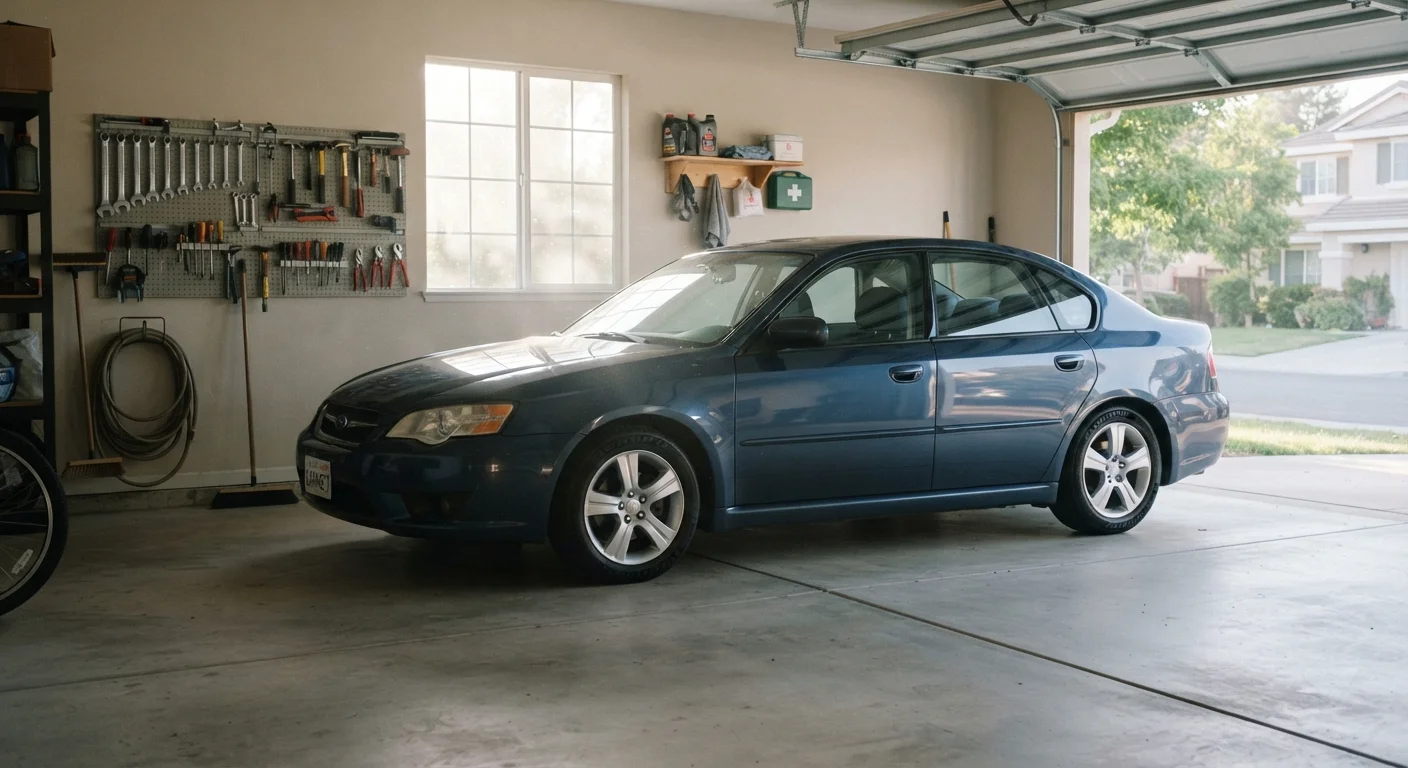
Photo credit: SyndicateExpert.com | Information At The Ready
In this article
Low mileage doesn't mean low maintenance. Cars sitting idle develop their own set of problems — here's how to keep a seldom-driven vehicle healthy.
Key Takeaways
- Car batteries discharge within weeks without regular driving, making them one of the first failure points.
- Engine oil degrades over time regardless of mileage, so time-based change intervals still apply.
- Flat spots can develop on tires left stationary for extended periods, especially in cold weather.
- Moisture, varnish buildup, and corrosion are the primary enemies of seldom-driven vehicles.
- Short periodic drives - ideally once a week - help circulate fluids and maintain key systems.
Why Low Mileage Isn't the Same as Low Risk
Many drivers assume that a car parked in the garage most of the time needs little attention. In reality, inactivity creates its own category of problems distinct from wear caused by heavy use. Fluids sit and degrade, seals dry out, fuel goes stale, and batteries quietly discharge - all without a single mile driven.
This is especially relevant for second vehicles, weekend cars, or vehicles owned by people who work from home or have reduced commutes. Understanding what stillness does to a car is the first step toward preventing avoidable repairs. For a broader look at how vehicle systems interact, see our end-to-end maintenance resource.
Best Practices for Keeping a Seldom-Driven Car Healthy
The following practices address the specific failure patterns that emerge when a vehicle sits idle for days or weeks at a time. Each targets a real mechanism of deterioration - not just general maintenance advice recycled for a different audience.
Drive the car for at least 20 minutes once a week, reaching normal operating temperature.
Short trips don't fully warm the engine, which means moisture accumulates in the oil and exhaust system. A sustained drive circulates fluids, recharges the battery through the alternator, and works the brakes and suspension through their full range of motion.
Use a battery maintainer (also called a trickle charger) if the car will sit for more than two weeks.
A car battery loses charge through natural self-discharge and parasitic draws from clocks, alarms, and modules. A discharged battery that sits low for extended periods sulfates internally - a form of damage that permanently reduces capacity. A maintainer keeps the battery at an optimal charge without overcharging it.
Add a fuel stabilizer if the car will sit unused for more than 30 days.
Modern gasoline, particularly ethanol-blended fuel, degrades relatively quickly. Within 30 to 60 days, oxidation and evaporation can leave behind varnish deposits that clog fuel injectors and carburetor passages. A fuel stabilizer slows this process significantly.
Check tire pressure monthly and look for flat-spotting on vehicles stored in cold conditions.
Tires lose roughly 1 PSI per month through normal permeation, and cold air accelerates this. Underinflation causes uneven wear and handling problems. Tires left stationary under load in cold temperatures can develop temporary flat spots - stiff, slightly deformed areas that cause a thumping sensation when driving resumes.
Park in a covered or shaded location and use a quality car cover if stored outdoors.
UV exposure degrades rubber seals, paint, and plastic trim over time. Temperature swings cause condensation inside the cabin and under the hood, accelerating corrosion. A covered environment significantly reduces these effects.
Periodically apply the parking brake and release it to prevent the brake components from seizing.
Leaving the parking brake engaged for weeks at a time can cause brake pads or shoes to bond to the rotor or drum surface, particularly in humid conditions. Applying and releasing it regularly - or choosing to leave it off on flat ground and use wheel chocks instead - prevents this.
Quick Actions You Can Take This Week
If your car has been sitting for a while and you're not sure where to start, the following actions will make an immediate difference. They require no special tools and take under an hour in most cases.
Tracking these habits over time also helps you catch small issues before they compound into costly repairs. Our guide on managing the ongoing cost of a car covers how to build that kind of financial awareness into your routine.
When Time-Based Maintenance Still Applies
Even with minimal mileage, several service intervals are governed by time rather than miles driven. Engine oil is a clear example: its additives break down through oxidation and moisture absorption, not just mechanical shear. Most manufacturers specify an annual oil change as a minimum regardless of distance. For more on how those intervals are determined, see our article on oil change interval guidance.
The same logic applies to brake fluid, which absorbs moisture from the air over time and can compromise braking performance even in a car rarely driven. Coolant also has a service life measured in years. A useful reference for checking these yourself is our overview of fluids under the hood. If you've been deferring these time-based services, you may also find value in our look at commonly deferred maintenance tasks and the costs they tend to accumulate.

Author
Cars & Driving Editorial Team
Cars & Driving Editorial Team is the collective byline for our editorial team and contributor network. Articles published under this byline or an editorial pen name are researched, written, and reviewed according to our editorial standards for clarity, consistency, and independence before publication.
View all articles →