
Oil Change Intervals: The Mileage Rules Have Changed
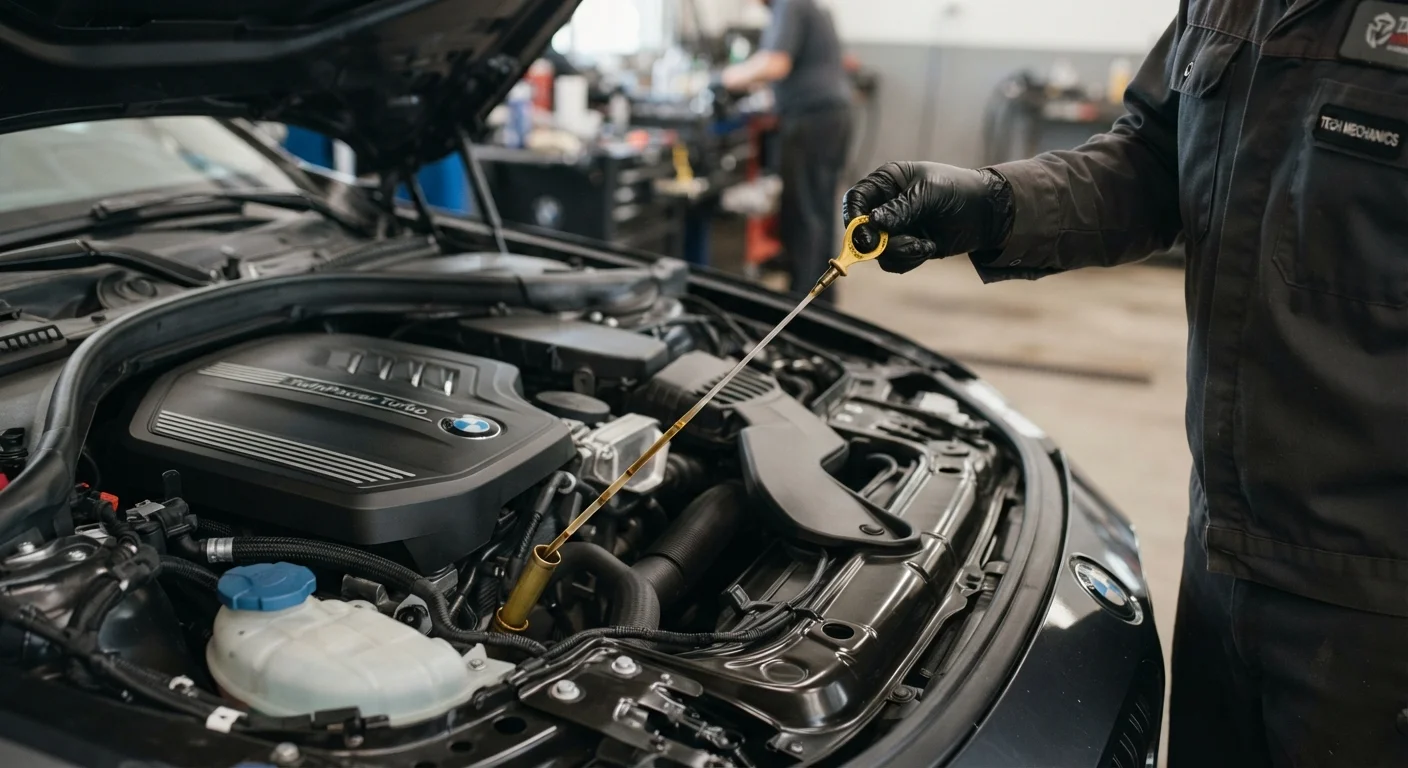
Photo credit: SyndicateExpert.com | Information At The Ready
In this article
The old 3,000-mile rule no longer applies to most modern engines. Here's how to determine the right oil change schedule for your vehicle.
Key Takeaways
- The 3,000-mile oil change rule is outdated and unnecessary for most vehicles built after 2000.
- Many modern vehicles with synthetic oil can go 7,500 to 10,000 miles or more between changes.
- Your owner's manual - not a quick-lube sticker - is the authoritative source for your interval.
- Driving conditions like short trips and extreme temperatures may warrant more frequent changes.
- Oil life monitoring systems in newer cars actively calculate when a change is actually needed.
Where the 3,000-Mile Myth Came From
The 3,000-mile oil change rule wasn't always a myth - it was reasonable advice for engines and oil formulations common in the mid-20th century. Older engines had looser tolerances, and conventional motor oils degraded faster under heat and friction. Quick-lube chains and oil companies then helped cement the interval into American driving culture through aggressive marketing, and it stuck long after the underlying technology had moved on.
Today's engines are machined to far tighter tolerances, and modern motor oils - especially full synthetic formulations - are engineered to maintain viscosity and protective properties far longer than their predecessors. The 3,000-mile rule survives largely as a habit, not a technical requirement. For most drivers following it, it means spending money on oil changes their engine doesn't need yet.
Understanding why the rule existed helps you feel confident letting it go. Your car isn't the same machine your grandparents drove, and the oil protecting its engine isn't the same either. See our guide to reading your owner's manual maintenance schedule for help interpreting the manufacturer's actual recommendations.
Common Oil Change Myths - Corrected
Misinformation about oil changes is widespread, and it costs drivers real money. The myth-and-fact pairs below address the most persistent misconceptions, based on how modern engines and lubricants actually work.
Myth
You should change your oil every 3,000 miles, no matter what.
Fact
Most modern vehicles with synthetic oil are engineered to go 7,500 to 10,000 miles or more between changes.
This interval varies by vehicle make, model, engine type, and oil specification. Automakers invest heavily in determining the correct service interval for each engine - and for the vast majority of cars sold in the last two decades, that interval exceeds 3,000 miles by a significant margin. Following the manufacturer's schedule protects your engine and your wallet.
Myth
Dark oil always means it's time for a change.
Fact
Oil darkens as it does its job, and color alone is not a reliable indicator of oil life.
Motor oil turns dark because it's suspending combustion byproducts and microscopic contaminants - that's actually the oil performing correctly. Fresh oil can darken within days in a diesel engine without losing its protective properties. The meaningful indicators are viscosity, lubrication capacity, and additive depletion, none of which are visible to the naked eye. Rely on your monitoring system or scheduled interval, not the dipstick color.
Myth
Synthetic oil causes leaks in older or high-mileage engines.
Fact
Modern synthetic oils do not cause seals to leak; this was a concern with early synthetic formulations that has been resolved.
Early synthetic oils - particularly those from the 1970s and 1980s - contained ester compounds that could cause certain rubber seals to swell or deteriorate. Contemporary full synthetic and synthetic-blend oils are formulated to be compatible with modern seal materials. If an older engine has existing seal wear or cracks, those issues may become apparent after any oil change, but the synthetic oil itself is not the cause. Consult a qualified mechanic if you notice a new leak after switching oil types.
Myth
You can skip an oil change if your car is running fine.
Fact
Engine wear from degraded oil often has no noticeable symptoms until serious damage has already occurred.
Oil that's past its service life loses viscosity and protective additive strength, allowing metal-on-metal contact inside the engine. By the time a driver notices symptoms - knocking sounds, increased oil consumption, or sluggish performance - meaningful wear may have already accumulated. Routine oil changes are preventive, not reactive, and skipping them is one of the more avoidable causes of premature engine wear. Whether you change oil yourself or use a shop, staying on schedule matters more than the method.
Myth
The sticker a quick-lube shop puts on your windshield is authoritative.
Fact
Those stickers typically recommend 3,000-mile intervals regardless of your vehicle's actual requirements - often more conservative than necessary.
Quick-lube stickers are set by the service shop, not your vehicle manufacturer. They are often based on the shortest plausible interval for any vehicle, which serves the business's interest in repeat visits. This doesn't mean the shop is acting in bad faith - but it does mean the sticker is not a substitute for your owner's manual. Use the sticker only as a rough reminder, and verify the interval against your manufacturer's specification.
How to Find Your Actual Interval
The single most reliable source for your oil change interval is your vehicle's owner's manual. Manufacturers specify intervals based on extensive testing of that specific engine design, and those recommendations reflect real-world performance data - not generic industry averages.
Many vehicles also distinguish between normal and severe driving conditions. Severe doesn't necessarily mean hard driving - it can include frequent short trips under five miles, stop-and-go city traffic, extreme heat or cold, or towing. If most of your driving falls into these categories, the shorter severe-duty interval applies even if your car is otherwise running fine. Low-mileage drivers face their own maintenance considerations that mileage-only thinking doesn't capture.
Newer vehicles often include an oil life monitoring system (OLMS) - a dashboard indicator that calculates remaining oil life based on engine load, temperature cycles, and driving patterns, not just miles driven. When this system signals a change is due, that's a manufacturer-engineered prompt worth taking seriously. It's not a marketing gimmick; it's applied engineering.
For a broader picture of which service items are truly critical versus optional, this overview of maintenance priorities provides useful context.

Author
Cars & Driving Editorial Team
Cars & Driving Editorial Team is the collective byline for our editorial team and contributor network. Articles published under this byline or an editorial pen name are researched, written, and reviewed according to our editorial standards for clarity, consistency, and independence before publication.
View all articles →