
Bringing a Second Dog Home: What Changes and How to Prepare
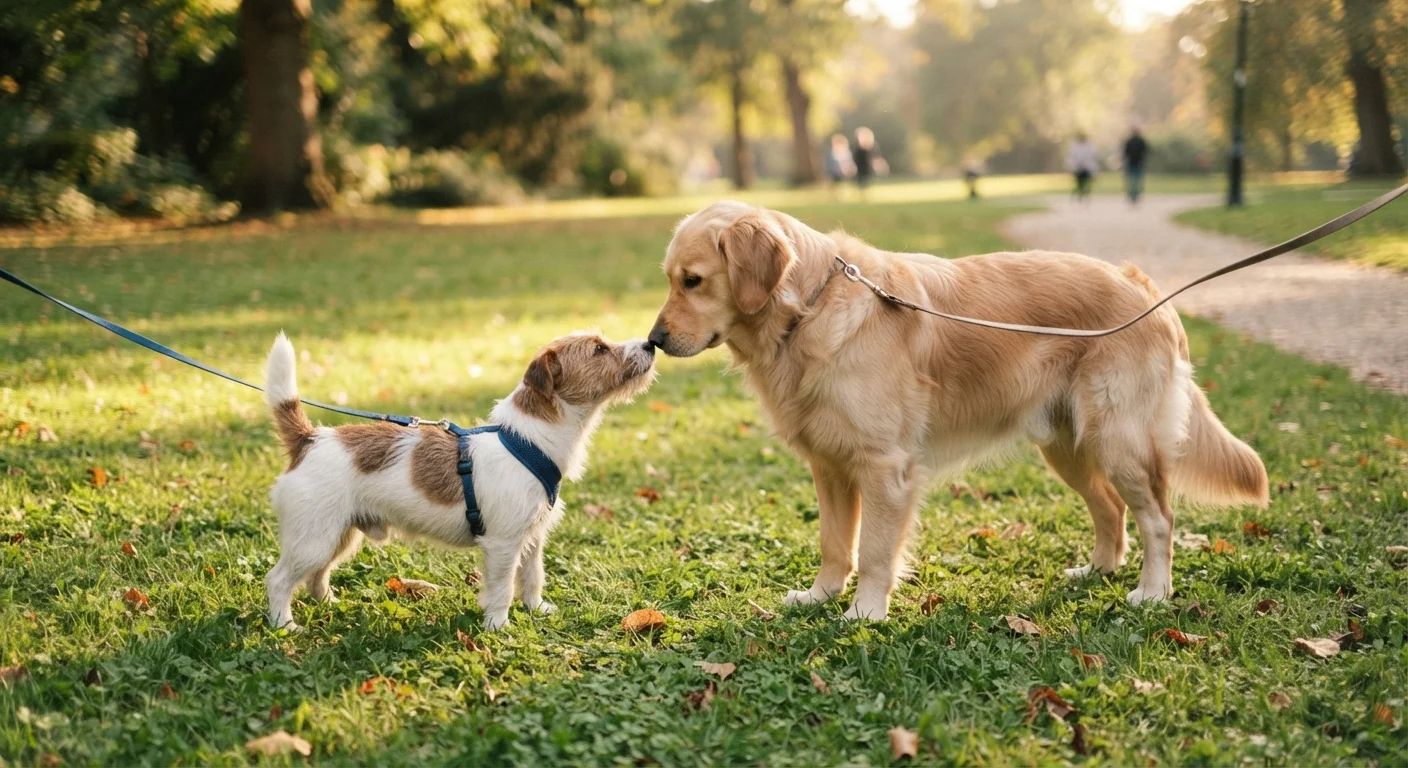
Photo credit: SyndicateExpert.com | Information At The Ready
In this article
Adding another dog affects territory, routine, and your first dog's behavior. Here's a practical checklist for a smoother introduction.
Key Takeaways
- Introduce dogs on neutral ground before bringing the newcomer inside your home.
- Separate feeding stations and sleeping areas reduce resource-guarding conflicts.
- Your resident dog's routine should stay as consistent as possible during the transition.
- Watch body language closely — stiff posture, raised hackles, and hard stares signal stress.
- Most dogs need one to three weeks to genuinely settle into a new social dynamic.
Why the Second Dog Changes More Than You Expect
Adding a second dog isn't simply doubling what you already have. It reshapes your resident dog's social world, alters territorial dynamics, and puts your own time and attention under new pressure. Dogs are social animals, but that doesn't mean every dog automatically welcomes a housemate — particularly in a space they've claimed as their own.
The good news is that the majority of introductions go well when owners prepare thoughtfully. The problems that do arise — fights over food, regression in house training, anxiety in the resident dog — are largely predictable and preventable. This checklist is designed to walk you through each stage, from the week before pickup to the first month of cohabitation.
If you're weighing multi-pet dynamics more broadly, our guide on what first-time dog owners need to prepare for covers the foundational expectations that apply just as much to a second dog as a first.
Before You Bring the New Dog Home
The First Introduction
The First Two Weeks at Home
Ongoing Management and Long-Term Harmony
Tools and Supplies You'll Need Before Day One
Having the right setup in place before the new dog arrives removes a major source of friction. Trying to buy a second crate or second set of bowls while managing an anxious resident dog is the kind of avoidable chaos that sets introductions back.
Second crate (size-appropriate for the new dog)
Gives the new dog a secure sleeping and retreat space that is entirely their own from the first night.
Separate food and water bowls
Prevents resource competition at mealtimes, which is a leading cause of conflict between dogs sharing a household.
Baby gate or exercise pen
Creates physical separation zones so each dog can disengage and rest without full isolation.
Two separate leashes and handlers
Allows controlled parallel walking during the first neutral-ground introduction.
High-value treats (soft, small)
Reinforces calm, relaxed behavior near the other dog during early shared time.
Enzymatic cleaner
Removes scent markers thoroughly if the new dog has accidents during adjustment, preventing territorial re-marking.
Dog appeasing pheromone diffuser
May help reduce general anxiety in the home during the transition period — ask your vet if this fits your situation.
Space matters as much as equipment. Think through where each dog will eat, sleep, and retreat when they need downtime. A resident dog that has no escape from an energetic newcomer will show signs of stress quickly — and that stress can escalate into conflict.
Managing the First Days and Weeks
Once the new dog is home, the work shifts from preparation to careful observation. Many owners are surprised by how subdued or even withdrawn their resident dog becomes in the early days. This is normal — your first dog is recalibrating their sense of social order and territory.
Don't Rush the Unsupervised Time
One of the most common mistakes owners make is leaving two dogs alone together too soon. Even a pair that appears to be getting along well can escalate to conflict when unsupervised, particularly in the first two to four weeks. Wait until you've seen consistently relaxed behavior — loose body language, voluntary proximity, and play without immediate correction — across multiple days before leaving them alone, even briefly.
Keep initial shared time short and supervised. Allow the dogs to disengage and rest separately throughout the day. Feeding in separate rooms eliminates one of the most common flashpoints for conflict, and it's a habit worth maintaining permanently, not just during the adjustment period.
Body language is your clearest signal of how things are going. Loose, wiggly posture and play bows suggest comfort. Stiff bodies, hard stares, raised hackles, or a tucked tail in the resident dog all indicate you should slow down and give more space. These cues are worth learning in detail before day one — they're far easier to read when you know what you're looking for.
The indoor-outdoor balance also shifts with two dogs. How much space each dog gets and how it's structured affects tension levels significantly — our overview of indoor vs. outdoor dog tradeoffs is useful context for thinking this through.
This article is for general informational purposes only and is not a substitute for professional veterinary guidance. If you observe escalating aggression or severe anxiety in either dog, consult a licensed veterinarian or certified animal behaviorist.

Author
Pets & Animals Editorial Team
Pets & Animals Editorial Team is the collective byline for our editorial team and contributor network. Articles published under this byline or an editorial pen name are researched, written, and reviewed according to our editorial standards for clarity, consistency, and independence before publication.
View all articles →