
Indoor vs. Outdoor Dogs: Understanding the Real Tradeoffs
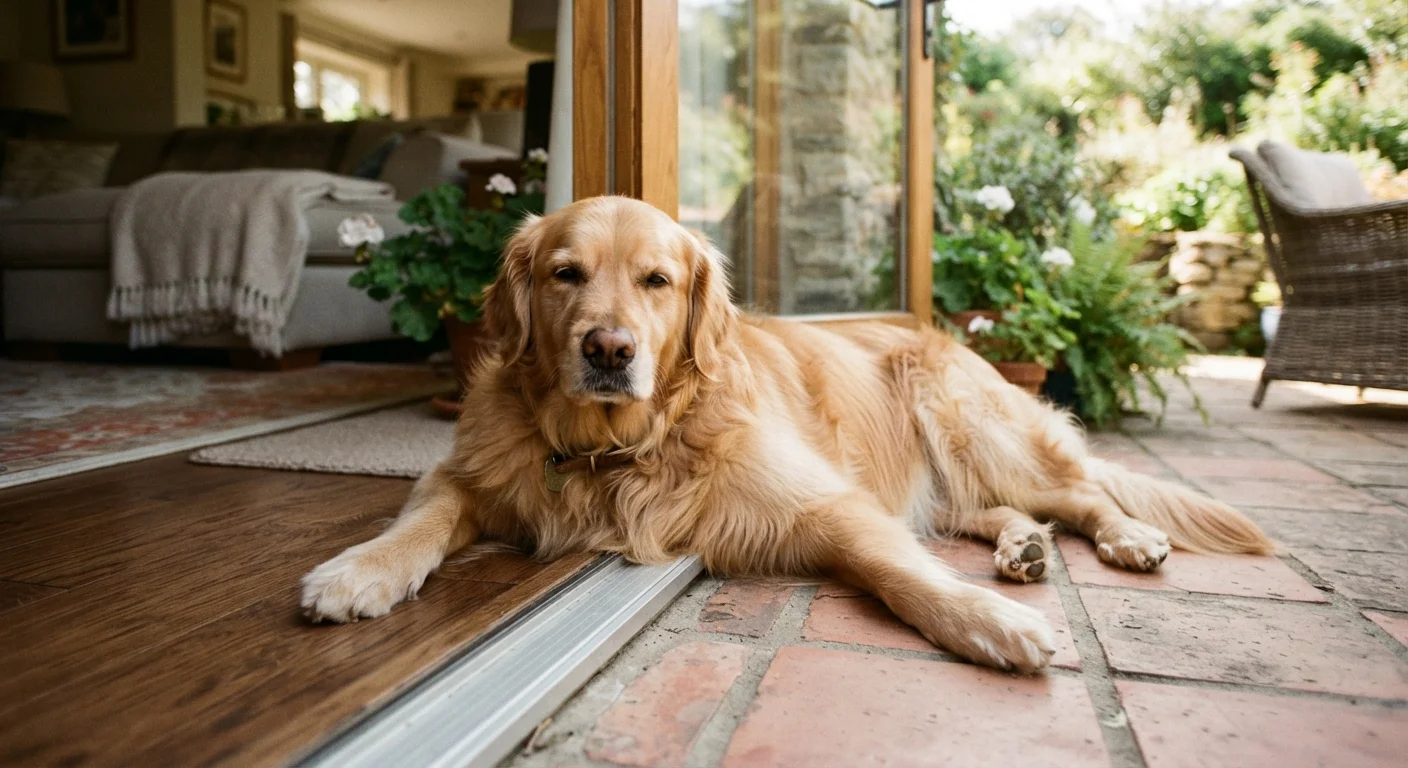
Photo credit: SyndicateExpert.com | Information At The Ready
In this article
Should your dog live primarily inside or outside? This honest breakdown covers safety, behavior, breed needs, and climate considerations.
Key Takeaways
- No dog breed is designed to live in complete isolation outdoors — all dogs require consistent social contact with their owners.
- Indoor living generally reduces exposure to parasites, predators, extreme weather, and toxic plants.
- Certain large, high-energy breeds can thrive with outdoor access when paired with structured exercise and daily interaction.
- Climate, yard security, and the dog's individual temperament all factor into whether outdoor arrangements are humane and safe.
- The indoor vs. outdoor question is rarely all-or-nothing — most healthy dogs benefit from a blended approach.
Why the Indoor vs. Outdoor Question Matters More Than Most Owners Realize
Where a dog spends the majority of its time shapes nearly every dimension of its life — from parasite exposure and joint health to anxiety levels and social development. Yet many owners default to an arrangement based on convenience or habit rather than a deliberate assessment of their dog's needs.
This isn't a lifestyle preference question alone. It carries real welfare implications. Veterinary and animal behaviorist communities broadly agree that dogs are social animals whose emotional and physical health depends on regular, meaningful contact with their human families. That baseline matters regardless of which arrangement you choose. If you're still in the planning stages, see our guide for first-time dog owners for a fuller picture of what responsible ownership requires from day one.
The Case for Indoor Living
Indoor dogs are protected from a long list of environmental hazards that outdoor-primary dogs face daily: fleas, ticks, mosquitoes carrying heartworm, toxic plants, vehicular hazards if fencing fails, wildlife encounters, and extreme temperature swings. These are not minor risks — they represent some of the most common reasons dogs end up in emergency veterinary care.
Beyond physical safety, indoor dogs tend to be better socialized and easier to train because they're constantly exposed to household routines, sounds, and human cues. Consistent proximity also means owners notice behavioral changes or early signs of pain or illness much sooner than they would with a dog living primarily outside.
The tradeoff is that indoor dogs require deliberate exercise and mental enrichment. A dog that never gets adequate physical activity will redirect that energy into destructive behavior indoors. Understanding your dog's actual exercise requirements — which vary substantially by breed — is essential. Exercise needs vary dramatically across breed groups, and a single daily walk is rarely sufficient for high-drive dogs.
| Criterion | Indoor Dogs | Outdoor Dogs |
|---|---|---|
| Parasite exposure | Significantly lower risk | Higher tick, flea, heartworm risk |
| Temperature safety | Climate-controlled year-round | Vulnerable to extremes without shelter |
| Social bonding | Strong, consistent human contact | Risk of isolation and anxiety |
| Behavioral monitoring | Easy to observe changes daily | Problems may go undetected longer |
| Exercise requirements | Must be scheduled deliberately | Space available but still needs structure |
| Ideal breed types | Small, brachycephalic, toy breeds | Large working and northern breeds |
| Predator and hazard risk | Very low | Moderate to high without secure fencing |
The Case for Outdoor Access
There is a meaningful difference between a dog that spends time outdoors and a dog that is confined outdoors full-time with minimal human contact. The former can be beneficial; the latter is widely considered inhumane by veterinary and animal welfare standards.
Certain large working breeds — Great Pyrenees, Malamutes, Siberian Huskies, and similar dogs — were developed over centuries for outdoor endurance in cold climates and may be less comfortable in warm, confined indoor spaces. These dogs often thrive when they have access to a large, securely fenced outdoor area paired with daily structured interaction, adequate shelter from rain and wind, fresh water at all times, and regular veterinary care.
The critical distinction is that outdoor access should supplement human connection, not replace it. Dogs left alone outside for extended periods consistently show higher rates of anxiety, compulsive behaviors, and aggression — outcomes that are difficult to reverse once established. If you're managing a dog that's been isolated and is showing behavioral problems, structured crate training and reintegration into indoor routines can help rebuild stability.
Climate, Breed, and Individual Temperament: The Three Variables That Decide It
Climate is non-negotiable. Dogs left outdoors in temperatures below freezing or above 90°F face genuine risk of hypothermia or heat stroke, respectively. No insulated doghouse or outdoor shelter can fully compensate for extreme weather, particularly for short-coated, elderly, very young, or small dogs.
Breed physiology matters significantly. Brachycephalic breeds — bulldogs, pugs, boxers — have compromised airway anatomy that makes thermoregulation difficult even in mild heat. These dogs should not be outdoor-primary animals. Conversely, double-coated northern breeds may overheat if kept in warm indoor environments without adequate airflow and cooling.
Individual temperament is equally important. Some dogs are gregarious and need near-constant human presence to remain emotionally stable. Others, particularly certain independent working breeds, tolerate more solitude — but even these dogs require daily interaction to stay behaviorally healthy. Observing your specific dog's stress signals is more instructive than breed generalizations alone.
A Note on Outdoor Shelter Standards
If a dog does spend significant time outdoors, shelter must meet more than basic standards. The American Veterinary Medical Association and most state anti-cruelty statutes require that outdoor shelter be structurally sound, weatherproof, appropriately sized, and elevated off the ground. Access to clean, unfrozen water at all times is not optional — it is a legal and ethical minimum in virtually every U.S. jurisdiction. Check your local ordinances, as many states have enacted specific temperature thresholds beyond which outdoor confinement is prohibited.
The Blended Approach Most Vets Actually Recommend
For most American dog owners, the practical answer isn't indoor or outdoor — it's a structured blend. Dogs sleep and spend downtime indoors, where they're safe and socially present. They get outdoor time for exercise, mental stimulation, and play, ideally in a securely fenced environment or on-leash with their owner.
This model covers the realistic needs of the vast majority of companion dogs across the U.S. It provides safety, social contact, enrichment, and the kind of consistent routine that supports good behavior. If you're thinking about adding a second dog to the household, outdoor space dynamics change too — our guide to introducing a second dog covers how territory and routine shift with multiple dogs.
If you have genuine uncertainty about whether your current arrangement is meeting your dog's needs, a conversation with your veterinarian or a certified applied animal behaviorist is the most reliable next step. These professionals can assess your specific dog's health, breed characteristics, and behavioral profile in ways that general guidance cannot.
This article is for general informational purposes only and does not constitute veterinary or professional animal behavior advice. Always consult a licensed veterinarian for guidance specific to your dog's health and circumstances.

Author
Pets & Animals Editorial Team
Pets & Animals Editorial Team is the collective byline for our editorial team and contributor network. Articles published under this byline or an editorial pen name are researched, written, and reviewed according to our editorial standards for clarity, consistency, and independence before publication.
View all articles →