
Fluids Under the Hood Every Driver Should Know
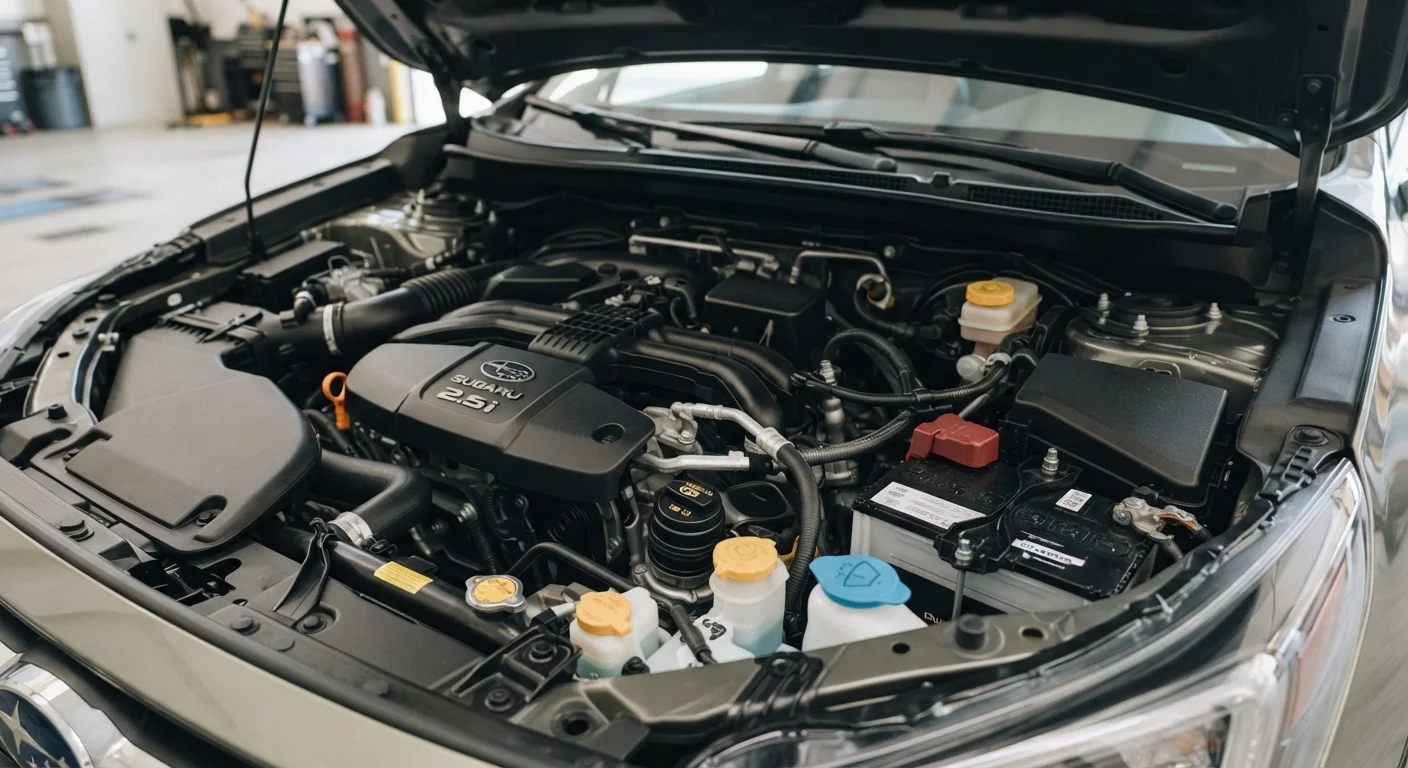
Photo credit: SyndicateExpert.com | Information At The Ready
In this article
From coolant to brake fluid, here's what each reservoir does, how to check levels, and what warning signs of low or degraded fluid look like.
Why Vehicle Fluids Matter
Your car is essentially a collection of systems that depend on fluids to function safely. Engine oil lubricates moving parts, coolant prevents overheating, and brake fluid transmits the force you apply to the pedal. When any one of these drops too low or degrades past its useful life, performance suffers - and in some cases, so does safety.
The good news is that checking most fluids takes only a few minutes and no special tools. Understanding what each fluid does and what warning signs to watch for puts you firmly in control of your car's health. For a broader overview of vehicle systems, see our end-to-end maintenance guide.
| Number of key fluids to monitor | Six |
| Engine oil check method | Dipstick - engine off, vehicle on level ground |
| Coolant safety rule | Never open the radiator cap on a hot engine |
| Brake fluid condition indicator | Clear/light yellow when fresh; darkens with age and moisture |
| Safe DIY top-off fluid | Windshield washer fluid only |
| Fluid degradation driver | Time and heat - not just mileage |
The Six Fluids Every Driver Should Recognize
Open most hoods and you'll find reservoirs or dipsticks for the following fluids. Each has a distinct color, smell, and location - learning these makes spotting a leak or a problem much easier.
Engine Oil
Engine oil reduces friction between metal components and carries heat away from the engine. Check it with the dipstick (engine off, vehicle level) - oil should sit between the MIN and MAX marks and appear amber to dark brown. Black, gritty oil is overdue for a change. A burning smell from the engine bay can indicate oil leaking onto hot surfaces.
Coolant (Antifreeze)
Coolant circulates through the engine and radiator to regulate temperature. It's usually green, orange, or pink depending on the formulation. Check the translucent overflow reservoir when the engine is cold - never open the radiator cap on a hot engine, as pressurized coolant can cause serious burns. Low coolant or a sweet, syrup-like smell may signal a leak.
Brake Fluid
Brake fluid is a hydraulic fluid that transfers the pressure from your foot to the brake calipers. It's typically clear to light yellow when fresh and darkens with age and moisture absorption. A spongy or soft brake pedal can be a sign of low or contaminated brake fluid - a condition that warrants immediate attention. Learn more about brake system warning signs in our brake wear and symptoms guide.
Power Steering Fluid
This fluid (found in vehicles with hydraulic steering systems) enables smooth, effortful steering. A whining noise when turning or stiff steering can indicate low levels. Note: many newer vehicles use electric power steering and have no fluid reservoir.
Transmission Fluid
Transmission fluid lubricates the gears and clutches inside your transmission. In automatic transmissions, it also acts as a hydraulic fluid. Many modern vehicles have a sealed transmission with no user-accessible dipstick, but older models allow checking. Healthy fluid is pink to red; dark, burnt-smelling fluid signals degradation.
Windshield Washer Fluid
The only fluid safe to top off yourself with store-bought solution - never plain water in freezing climates. It's housed in a clearly labeled blue-capped reservoir. Running low is more inconvenience than emergency, but clear visibility is a real safety concern.
Hydraulic fluid
A fluid that transmits mechanical force through pressure. Brake fluid and power steering fluid are hydraulic fluids - they convert physical input (your foot or hands) into mechanical action at the brakes or steering gear.
Dipstick
A long metal rod inserted into a fluid reservoir (typically the engine oil or transmission) that you pull out to read the current fluid level against MIN and MAX markings.
Coolant / Antifreeze
A liquid mixture (typically ethylene glycol and water) that circulates through the engine and radiator to absorb heat and prevent both overheating in summer and freezing in winter.
Fluid degradation
The breakdown of a fluid's chemical properties over time due to heat, moisture, oxidation, or contamination, reducing its ability to perform its intended function even if the volume appears adequate.
Reservoir
A sealed plastic or metal container under the hood that holds a specific vehicle fluid. Many reservoirs are translucent, allowing you to read the level from the outside without opening them.
Hydraulic brake system
The system that uses brake fluid under pressure to transfer force from the brake pedal to the brake calipers or wheel cylinders, ultimately slowing the vehicle.
Reading the Warning Signs
Fluids send signals before they cause serious damage. A puddle under your parked car is the most obvious - the color and location can help narrow down the source. Clear water near the front passenger area is usually normal condensation from the air conditioner. Green, orange, or pink puddles near the front suggest a coolant leak. Dark brown or black spots beneath the engine often point to oil. Red or light brown fluid near the wheels can indicate brake or transmission fluid.
Inside the cabin, your dashboard warning lights are another early alert system. An illuminated oil pressure light or temperature gauge in the red zone requires you to pull over safely and shut off the engine. Driving through either condition risks serious engine damage. See our dashboard warning lights reference for a symbol-by-symbol breakdown of what each light means and how urgently to respond.
If you don't drive frequently, fluid degradation can still occur even without high mileage. Moisture absorption in brake fluid and coolant corrosion happen over time, not just over miles. Our guide on maintaining a seldom-driven car covers this in detail.
When in doubt about any fluid's condition or a suspected leak, have a qualified mechanic inspect the vehicle. Topping off a fluid repeatedly without addressing the underlying cause is a temporary fix, not a solution.
This article is for general informational purposes. For any repair, leak diagnosis, or safety concern, consult a qualified automotive technician.

Author
Cars & Driving Editorial Team
Cars & Driving Editorial Team is the collective byline for our editorial team and contributor network. Articles published under this byline or an editorial pen name are researched, written, and reviewed according to our editorial standards for clarity, consistency, and independence before publication.
View all articles →