
Everything That Goes Into a Dog's Annual Wellness Visit
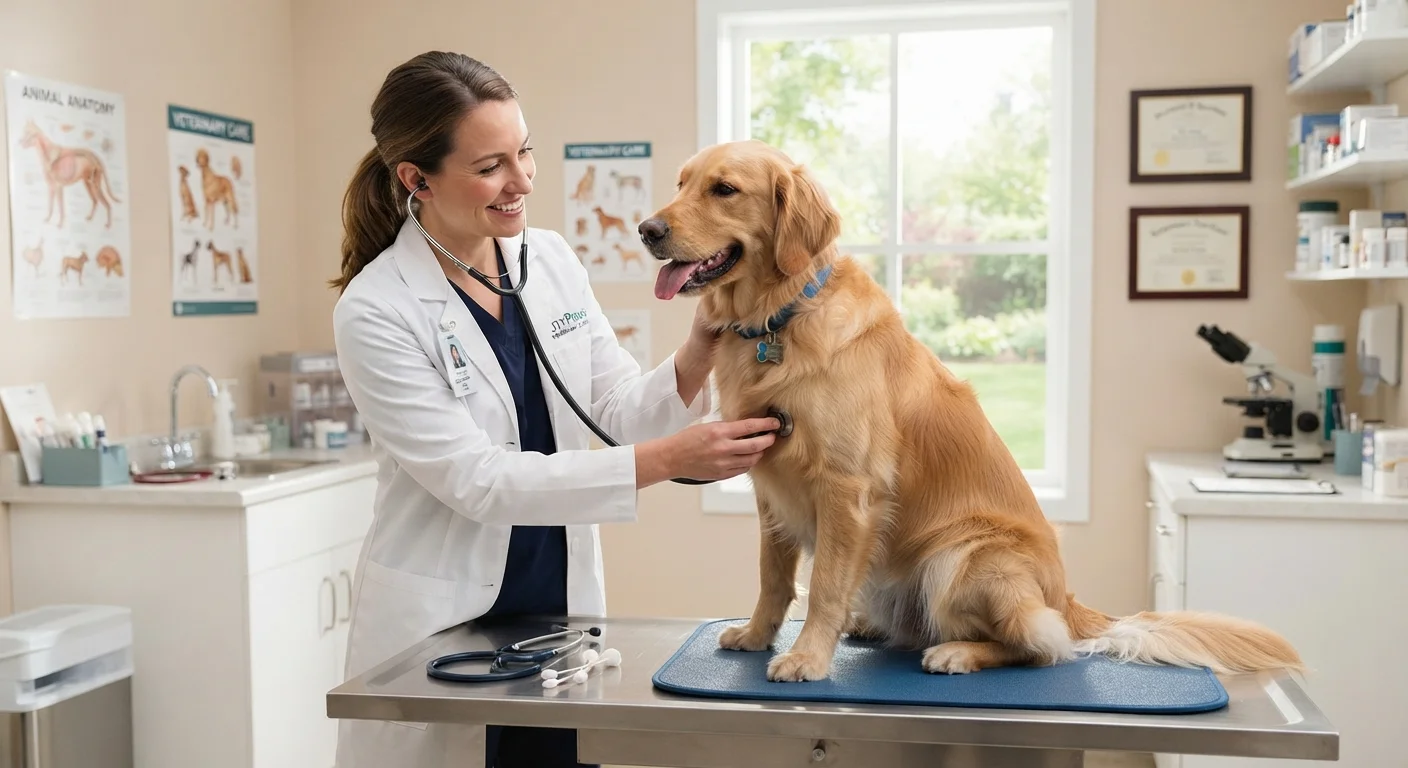
Photo credit: SyndicateExpert.com | Information At The Ready
In this article
Annual vet checkups involve more than a quick weigh-in. This guide walks through every component and why each one matters.
Key Takeaways
- A wellness visit covers far more than vaccines — it's a head-to-tail health audit.
- Vets use physical exams to detect problems owners often can't see at home.
- Lab work and parasite screening can catch disease before symptoms appear.
- Senior dogs and puppies may need more frequent checkups than once a year.
- Coming prepared with observations and questions makes the visit significantly more productive.
Why Annual Wellness Visits Matter
Dogs age faster than humans — a single calendar year can represent several years of physiological change depending on your dog's size and breed. Annual wellness visits give veterinarians a consistent baseline to detect subtle shifts in weight, organ function, or behavior before they become serious problems.
These appointments aren't just about shots. They're structured health audits covering physical, nutritional, dental, and behavioral dimensions. For first-time owners, understanding what's actually happening during that hour in the exam room can make the experience far less stressful. If you're just starting out, our guide for new dog owners covers what to expect in those early months.
This article is for general informational purposes only and does not constitute veterinary advice. Always consult a licensed veterinarian for guidance specific to your dog's health.
The Physical Examination: What the Vet Is Actually Checking
The hands-on physical exam is the cornerstone of the visit. A systematic, nose-to-tail assessment covers a lot of ground in a short time:
- Eyes and ears: Checked for discharge, redness, cloudiness, or signs of infection and parasites.
- Mouth and teeth: Vets assess gum color, tartar buildup, tooth integrity, and signs of periodontal disease — a condition that affects most adult dogs and is often underdiagnosed. Dental health in dogs deserves more attention than most owners give it.
- Lymph nodes: Palpated for enlargement that may indicate infection or immune activity.
- Heart and lungs: Auscultated with a stethoscope for murmurs, irregular rhythms, or abnormal lung sounds.
- Abdomen: Palpated to assess organ size and detect discomfort, masses, or unusual firmness.
- Skin and coat: Examined for parasites, hot spots, lumps, hair loss, or signs of allergies.
- Musculoskeletal system: Range of motion assessed in joints; muscle mass and symmetry evaluated, particularly important in aging or active dogs.
- Weight and body condition score: Not just a number — vets use a standardized scoring system to assess fat coverage and muscle condition.
Bring a written list of every supplement, medication, or topical product your dog receives — even 'natural' ones. Some supplements interact with medications your vet may prescribe.
Veterinarians can't screen for drug interactions they don't know about, and owners often forget to mention supplements they consider minor.
If your dog is anxious at the vet, call ahead and ask about a 'fear-free' or low-stress handling protocol — many practices now offer calming techniques, pre-visit medications, or appointment structures designed to reduce exam-room stress.
Anxiety during exams can mask clinical signs and make accurate physical assessment harder, potentially leading to missed findings.
Collect a fresh fecal sample — no more than 12 hours old — and bring it to every annual visit even if your vet didn't explicitly request one. Many intestinal parasites require direct testing to detect.
Parasite loads fluctuate, and a single clean test doesn't guarantee ongoing absence. Routine annual fecal testing is considered best practice by veterinary parasitology guidelines.
Vaccinations and Preventive Medications
Vaccines are reviewed and updated based on your dog's age, lifestyle, geographic region, and prior vaccination history. Core vaccines — including rabies and the combination distemper/parvovirus/adenovirus shot — are required or strongly recommended for virtually all dogs. Non-core vaccines, such as those for leptospirosis, Lyme disease, or bordetella, are recommended based on exposure risk.
For a detailed breakdown of what each vaccine does and when it's typically given, see our vaccine schedule guide.
Preventive parasite control is also reviewed at this visit. Your vet will confirm or adjust protocols for heartworm prevention, flea and tick control, and intestinal parasite management based on current recommendations and your region's parasite pressure.
Diagnostic Screenings and Lab Work
Not every annual visit includes blood work, but many vets recommend it — especially for dogs over seven years old or those on long-term medications. Common diagnostic components include:
- Complete blood count (CBC): Evaluates red blood cells, white blood cells, and platelets to screen for anemia, infection, or clotting issues.
- Chemistry panel: Assesses kidney function, liver enzymes, blood glucose, and electrolytes — organs that may show dysfunction before clinical signs appear.
- Heartworm test: An annual antigen test is standard in most of the U.S., required before prescribing preventive medication.
- Fecal examination: Checks for intestinal parasites including roundworms, hookworms, whipworms, and giardia — parasites that can infect humans as well.
- Urinalysis: Screens for urinary tract infections, kidney disease, and diabetes mellitus.
Younger, healthy dogs may not need the full panel every year. Your vet will guide the appropriate frequency based on age, breed predispositions, and individual history.
Nutrition, Weight, and Lifestyle Assessment
A significant portion of the visit involves discussing your dog's daily life — what they eat, how much they exercise, any behavioral changes you've noticed, and how they're aging. This conversation is just as diagnostic as the physical exam.
Weight management is a major focus. Obesity is one of the most common preventable health problems in dogs, contributing to joint disease, diabetes, and reduced lifespan. Conversely, unexplained weight loss warrants investigation. Your vet will discuss food type, portion sizes, treat habits, and feeding schedules.
Exercise habits are also relevant. Activity needs vary considerably by breed group, age, and health status — understanding your dog's true exercise requirements matters for both physical health and behavior. Dogs that are under-exercised often develop anxiety or destructive tendencies.
Questions to Ask Before You Leave
The wellness visit is a two-way conversation. Coming prepared with observations makes it substantially more useful. Consider noting the following before the appointment:
- Any changes in appetite, thirst, or urination
- Behavioral shifts — increased anxiety, reduced playfulness, changes in sleep
- New lumps, skin changes, or limping
- Current medications, supplements, or flea/tick products you're using
Good questions to ask include: Is my dog's weight trending in the right direction? Are there breed-specific health risks I should watch for? When should we next schedule bloodwork? What signs should prompt an unscheduled visit?
If your dog has feline companions, note that cats have their own distinct needs — annual vet visits for cats follow a different structure and timeline.
Wellness visits create a longitudinal record of your dog's health — each year's data becomes more valuable because it can be compared to prior years. Skipping visits doesn't just mean missing vaccines; it means losing the opportunity to catch slow-moving conditions early, when intervention is most effective.

Author
Pets & Animals Editorial Team
Pets & Animals Editorial Team is the collective byline for our editorial team and contributor network. Articles published under this byline or an editorial pen name are researched, written, and reviewed according to our editorial standards for clarity, consistency, and independence before publication.
View all articles →