
Dog Vaccination Schedules Explained: What Each Shot Actually Does
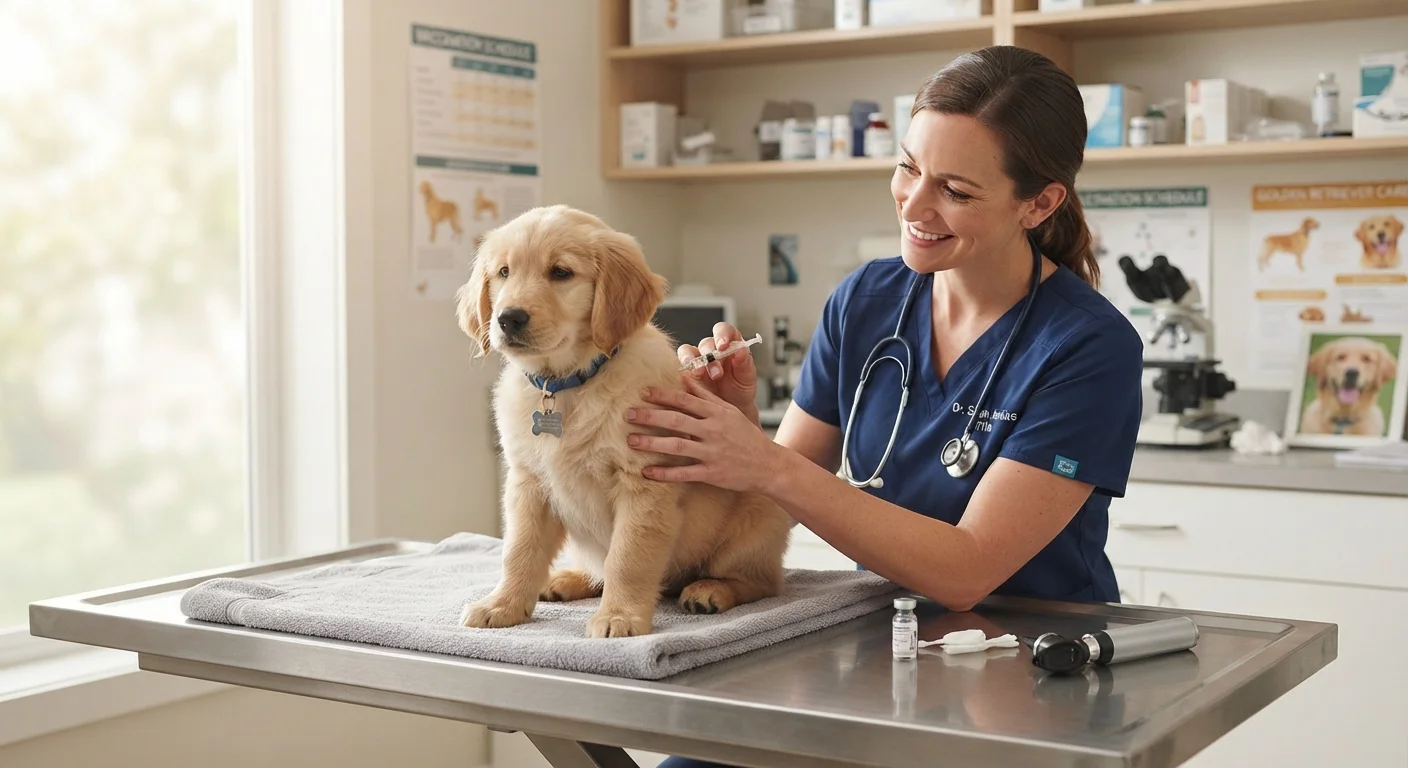
Photo credit: SyndicateExpert.com | Information At The Ready
In this article
A plain-language breakdown of core and non-core dog vaccines, when they're given, and why each one matters for your dog's health.
Key Takeaways
- Core vaccines are recommended for every dog regardless of lifestyle; non-core vaccines depend on individual risk.
- Puppies need a series of shots starting around 6–8 weeks because maternal antibodies gradually fade.
- Rabies vaccination is legally required in most U.S. states — it is not optional.
- Adult dogs need booster shots on a schedule; some vaccines last 1 year, others up to 3 years.
- Your vet is the best person to customize a vaccination plan based on your dog's age, health, and environment.
Core Vaccines: What Every Dog Needs
Core vaccines are recommended for all dogs in the United States, regardless of whether they live indoors, outdoors, or somewhere in between. They protect against diseases that are either widespread, highly contagious, or carry serious public health implications.
The standard core combination is the DHPP vaccine — a single injection that covers four diseases:
- Distemper: A viral disease affecting the respiratory, gastrointestinal, and nervous systems. It spreads easily through airborne exposure and can be fatal.
- Hepatitis (Adenovirus): Causes severe liver disease and can also affect the kidneys and eyes. The vaccine uses a related adenovirus strain that provides cross-protection.
- Parvovirus: An extremely hardy, highly contagious virus that attacks the digestive tract and immune system. Parvo has a high fatality rate in unvaccinated dogs, especially puppies.
- Parainfluenza: A viral contributor to kennel cough; included in the combination to reduce respiratory illness risk.
Rabies is the other core vaccine — and uniquely, it is mandated by law in most U.S. states. Rabies is almost universally fatal once symptoms appear and is transmissible to humans, making vaccination a public health priority, not just a pet health one.
See our guide to annual wellness visits for more on how vaccines fit into your dog's broader preventive care routine.
Non-Core Vaccines: Risk-Based Protection
Non-core vaccines are not automatically given to every dog — they are recommended based on a dog's specific lifestyle, geographic location, and exposure risk. That said, "non-core" does not mean unimportant. For the right dog, these vaccines are highly valuable.
Ask Your Vet About a Lifestyle Assessment
Before your dog's next appointment, make a quick list of your dog's typical week — dog park visits, boarding, hiking trails, water activities, contact with wildlife. Sharing this with your vet gives them the information they need to recommend the right non-core vaccines. A 15-second conversation can meaningfully shape your dog's protection plan.
- Bordetella bronchiseptica: The main bacterial cause of kennel cough. Strongly recommended for any dog that spends time in boarding facilities, dog parks, groomers, or training classes. It can be given as a nasal spray, oral liquid, or injection.
- Leptospirosis: A bacterial infection spread through water or soil contaminated with infected animal urine. Dogs who swim, hike, or live near wildlife are at higher risk. Leptospirosis is also zoonotic — it can infect humans.
- Lyme disease: Recommended in tick-heavy regions, particularly the Northeast, Upper Midwest, and Pacific Coast. It works alongside — not instead of — tick prevention products.
- Canine influenza (H3N2 and H3N8): Dog flu spreads rapidly in social dog environments. Vaccination is particularly relevant for dogs in dense urban areas or those who board frequently.
If your dog spends significant time outdoors or in varied environments, discuss these vaccines with your vet to determine which apply.
The Puppy Vaccination Timeline
Puppies are born with some immune protection passed from their mother through colostrum (first milk), but that protection fades over the first weeks of life — and fades unpredictably. This is why puppies receive a series of vaccines rather than a single early shot.
A typical puppy schedule looks like this:
| Age | Vaccines Typically Given |
|---|---|
| 6–8 weeks | DHPP (first dose), Bordetella (if applicable) |
| 10–12 weeks | DHPP (second dose), Leptospirosis (first dose if recommended) |
| 14–16 weeks | DHPP (third dose), Rabies, Leptospirosis (second dose if recommended) |
| 12–16 months | DHPP booster, Rabies booster, other applicable vaccines |
Until the puppy series is complete — typically around 16 weeks — puppies have a window of vulnerability. Limiting exposure to unvaccinated dogs and high-traffic public spaces during this period is generally recommended. If you're bringing a puppy home for the first time, scheduling a vet appointment in the first week is a priority.
This article provides general health information and is not a substitute for personalized veterinary advice. Always consult your veterinarian to develop the right vaccination plan for your dog.
Adult and Senior Dog Boosters: Staying Current
Vaccination doesn't end after the puppy series. Adult dogs require ongoing boosters to maintain protective immunity, though the frequency varies by vaccine and local regulations.
~90%
Parvovirus survival rate with prompt treatment
Unvaccinated puppies who contract parvovirus face significantly lower survival odds; vaccination is considered the most effective prevention according to veterinary infectious disease guidance.
49 states + D.C.
U.S. jurisdictions with rabies vaccine laws
According to the American Veterinary Medical Association, rabies vaccination requirements for dogs exist across virtually all U.S. states, reflecting the disease's public health significance.
Every 3 years
Core booster interval for many adult dogs
AAHA guidelines support triennial boosters for DHPP in adult dogs with documented prior vaccination history, reducing the frequency of injections while maintaining protective immunity.
After the puppy series and first-year boosters, many vets follow updated AAHA (American Animal Hospital Association) guidelines that allow certain core vaccines — like DHPP — to be given every three years rather than annually, reflecting evidence of longer-lasting immunity in most adult dogs. Rabies booster intervals depend on the specific vaccine product used and state law.
Annual vaccines still apply for some non-core options like Bordetella, Leptospirosis, and canine influenza, which may require more frequent dosing due to the nature of those pathogens.
For senior dogs, vaccine decisions become more nuanced. A dog with significant health conditions may need a modified schedule — something only your vet can assess. Vaccination is just one component of keeping older dogs healthy; dental health and nutrition are equally important pieces of the puzzle.
Frequently Asked Questions

Author
Pets & Animals Editorial Team
Pets & Animals Editorial Team is the collective byline for our editorial team and contributor network. Articles published under this byline or an editorial pen name are researched, written, and reviewed according to our editorial standards for clarity, consistency, and independence before publication.
View all articles →