
Annual Vet Visits for Cats: What to Expect and What to Ask
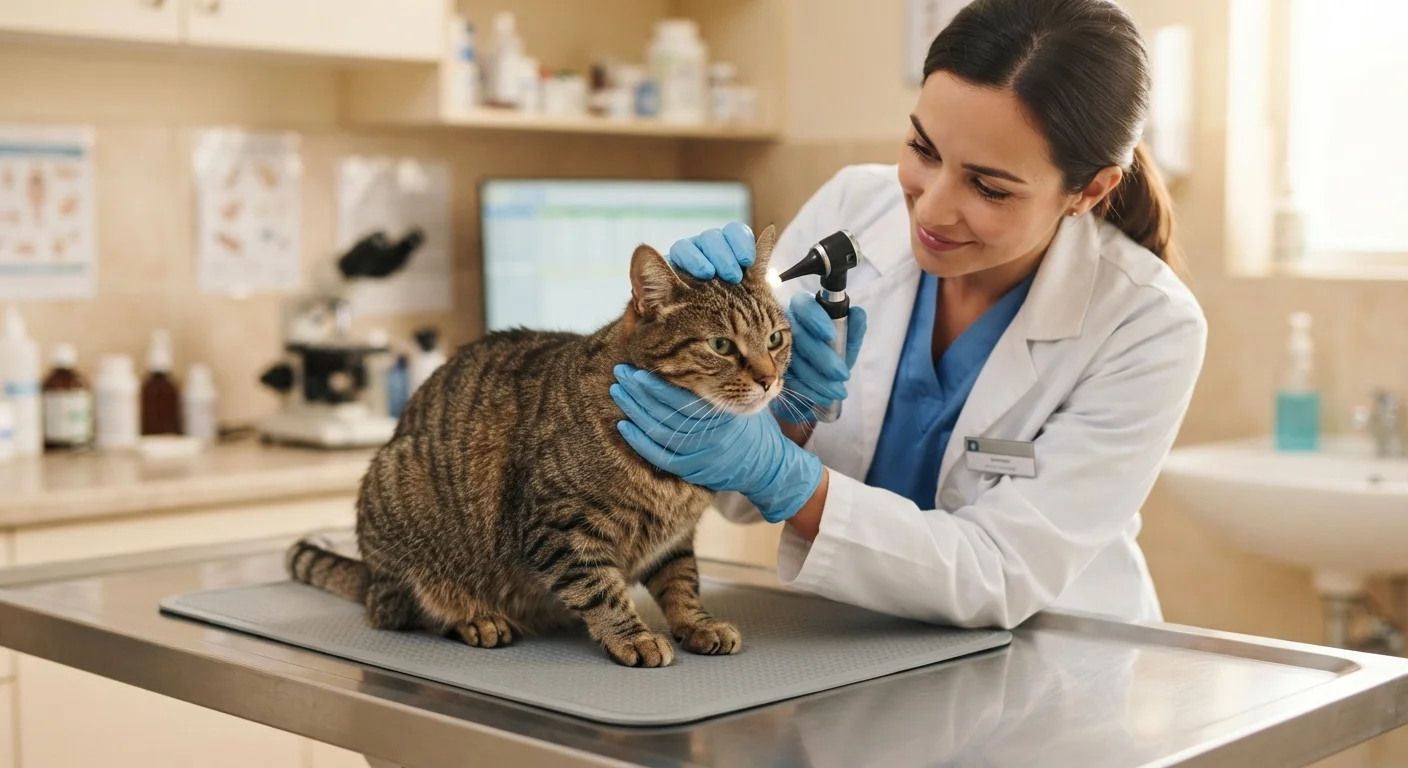
Photo credit: SyndicateExpert.com | Information At The Ready
In this article
A practical checklist for preparing for your cat's yearly checkup — from vaccination records to the questions worth raising.
Key Takeaways
- Annual vet visits are recommended for all cats, even those that appear healthy and stay indoors.
- Preparing records, observations, and questions in advance leads to a more productive appointment.
- Vaccination schedules, parasite prevention, and weight trends are key topics to cover each year.
- Outdoor cats and senior cats (aged 7+) may benefit from more frequent checkups.
- You can raise behavioral changes at the vet — they are often early signs of underlying health issues.
Why Annual Checkups Matter Even for Healthy Cats
Cats are skilled at masking discomfort — a survival instinct that makes regular veterinary checkups more important, not less. By the time a cat shows obvious signs of illness, a condition may already be well advanced. A yearly wellness visit creates a documented health baseline and gives your vet the opportunity to detect subtle changes in weight, organ function, or physical condition before they become serious problems.
This is especially relevant for cats who live primarily indoors and appear trouble-free. Indoor cats are not exempt from dental disease, obesity, thyroid conditions, or kidney dysfunction — conditions that a physical exam and basic lab work can flag early. It's worth checking whether assumptions you hold about your cat's health are grounded in fact. Our article on common cat health myths covers several beliefs that routine vet visits help correct.
Use this checklist to prepare thoroughly, make the most of your appointment time, and leave with a clear plan for the year ahead.
What to Bring and How to Prepare
A well-prepared owner gets more out of any vet appointment. Before the visit, take a few minutes to observe and document how your cat has been doing since the last checkup. Changes in appetite, litter box behavior, coat quality, activity level, or social interaction are all clinically relevant — even if they seem small.
Pet carrier with familiar bedding
Reduces travel stress for your cat and keeps them secure during transport to the clinic.
Vaccination and medical records
Allows the vet to review history, avoid duplicate vaccines, and identify gaps in care.
Fecal sample container
Used for parasite screening — your clinic can tell you exactly what type of container to use.
Written list of questions and observations
Ensures you cover every concern without forgetting details during the appointment.
List of current medications and supplements
Helps the vet check for interactions and assess whether current preventatives are appropriate.
If this is your first visit to a new practice, request records from your previous veterinary clinic in advance. Vaccine history is particularly important: without it, your new vet may have to restart certain vaccination series from scratch rather than continuing where your cat left off.
For cat owners navigating decisions around spay or neuter status, the appointment is a good time to revisit timing considerations. Our overview of spaying and neutering cats explains what surgery involves and how age can affect outcomes.
The Full Checkup: What Your Vet Is Looking For
A standard annual wellness exam covers far more than a quick listen to the heart. Your vet will systematically assess each body system — from the condition of the teeth and gums to the size and feel of internal organs through the abdomen. Knowing what is being checked helps you ask better follow-up questions.
Before the Appointment
During the Physical Exam
Vaccinations and Preventatives
Screening and Lab Work
Questions to Ask Before You Leave
Weight trends are among the most informative single data points in feline medicine. A cat that has lost even a small percentage of body weight since last year — without a dietary change — warrants investigation. Conversely, gradual weight gain in middle-aged cats can be a precursor to diabetes and joint stress.
Understanding your cat's signals throughout the year also supports better vet communication. If you notice changes in how your cat holds their tail, uses their ears, or interacts with household members, those observations belong in your notes. Our guide on reading your cat's body language provides a useful reference for interpreting feline communication.
Behavior Changes Are Medical Information
If your cat is hiding more, vocalizing differently, avoiding the litter box, or acting out of character, mention it at the appointment — even if it seems minor. Behavioral shifts are frequently the first sign of pain, cognitive changes, or systemic illness in cats. Your vet needs this information to give an accurate assessment.
This article provides general information about veterinary care for cats and is not a substitute for professional veterinary advice. Always consult a licensed veterinarian for guidance specific to your cat's health needs.

Author
Pets & Animals Editorial Team
Pets & Animals Editorial Team is the collective byline for our editorial team and contributor network. Articles published under this byline or an editorial pen name are researched, written, and reviewed according to our editorial standards for clarity, consistency, and independence before publication.
View all articles →