
The Truth Behind Common Cat Health Myths
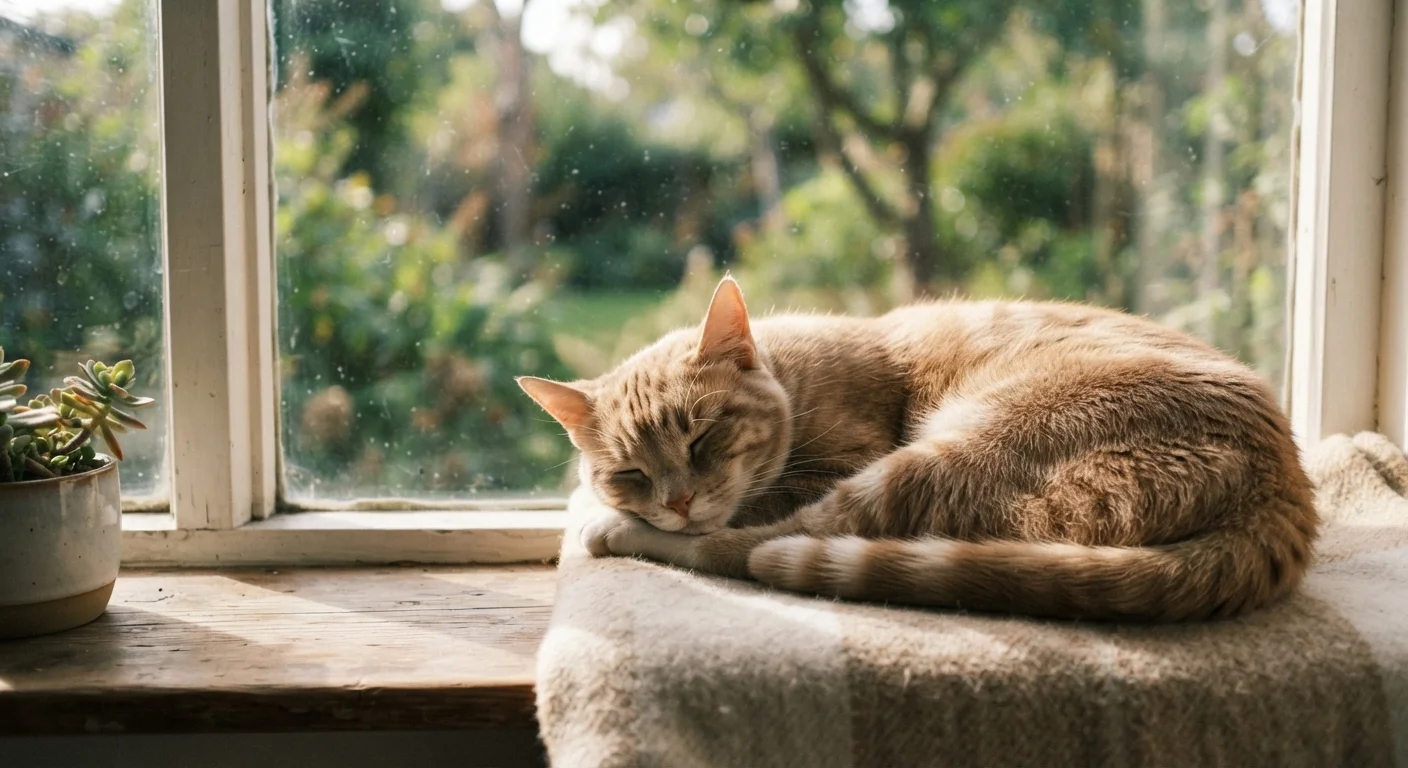
Photo credit: SyndicateExpert.com | Information At The Ready
In this article
From "cats always land on their feet" to "purring means everything is fine" — separating feline fact from folklore.
Key Takeaways
- Purring does not always signal contentment — cats also purr when stressed or in pain.
- Cats can and do need regular veterinary care, even when they seem perfectly healthy.
- The righting reflex that helps cats land feet-first has real limits and does not prevent injury.
- Milk is not a safe treat for most adult cats, as the majority are lactose intolerant.
- Indoor cats are not automatically safe from disease — core vaccinations still matter.
Why Cat Health Myths Persist
Cats have lived alongside people for thousands of years, yet some of the most widely held beliefs about their health are either incomplete or outright wrong. These myths survive partly because cats are self-sufficient and stoic — they mask illness well, which makes it easy to assume everything is fine. Understanding where the folklore ends and the science begins can meaningfully improve how you care for your cat.
The myth-fact pairs below cover misconceptions that come up regularly in veterinary practice, from feline physiology to behavior and nutrition. If anything here prompts concern about your own cat, consult a licensed veterinarian rather than relying on general information alone.
Common Cat Health Myths — Corrected
These are the misconceptions that veterinary professionals hear most often. Each one carries real consequences when believed without scrutiny.
Myth
Purring means a cat is happy and relaxed.
Fact
Cats purr for multiple reasons, including when they are injured, stressed, or unwell.
Purring is often a sign of contentment, but it is also a self-soothing behavior. Veterinarians routinely observe cats purring during painful procedures or when experiencing significant distress. Some research suggests the vibration frequency of purring (roughly 25–150 Hz) may have physiological benefits — including promoting bone density — which could explain why cats purr when they need internal calming as much as when they are comfortable.
If your cat is purring while also hiding, refusing food, or showing other behavioral changes, those accompanying signs matter more than the purr itself. See our article on recognizing stress in cats for a fuller picture.
Myth
Cats always land on their feet, so falls aren't dangerous.
Fact
The righting reflex is real but incomplete — cats can and do sustain serious injuries from falls.
Cats possess a vestibular-driven righting reflex that allows them to rotate their body mid-fall and orient their feet downward. This is a genuine, well-documented physiological ability. However, it requires enough air time to activate fully, and it does not absorb the impact of landing. Falls from low heights (one to two stories) can paradoxically cause more injury than very high falls because the cat doesn't have time to fully orient and relax its muscles.
High-rise syndrome — a recognized veterinary presentation — includes injuries such as fractured limbs, jaw fractures, and internal trauma. Window screens and balcony barriers are important safeguards, not optional accessories.
Myth
Cats can drink milk as a healthy treat.
Fact
Most adult cats are lactose intolerant and cow's milk commonly causes digestive upset.
Kittens produce lactase, the enzyme needed to digest lactose in their mother's milk. Most cats lose significant lactase activity after weaning. Offering cow's milk — which contains far more lactose than queen's milk — frequently leads to diarrhea, gas, and abdominal discomfort. The image of a cat happily lapping milk is cultural shorthand, not nutritional guidance.
Cats that do tolerate small amounts of dairy without visible symptoms may still experience low-grade gastrointestinal irritation. Fresh water remains the safest and most appropriate liquid for adult cats.
Myth
Indoor cats don't need vaccinations because they're never exposed to disease.
Fact
Indoor cats still face real disease risks and should receive core vaccinations as recommended by a veterinarian.
Pathogens can enter a home on clothing, shoes, or through brief contact with other animals — for example, if a cat escapes outside momentarily or a second pet is brought in. Feline panleukopenia, calicivirus, and herpesvirus are all highly stable in the environment and can survive on surfaces. Core vaccines protect against diseases where exposure risk, while reduced indoors, is not zero.
Vaccine schedules for adult cats also vary based on individual risk factors, and many municipalities have legal requirements for rabies vaccination regardless of lifestyle. A veterinarian can help determine the appropriate protocol for your specific cat.
Myth
A cat that is eating well must be healthy.
Fact
Many serious feline illnesses — including hyperthyroidism and early-stage kidney disease — can initially maintain or even increase appetite.
Hyperthyroidism, one of the most common endocrine diseases in older cats, frequently causes increased hunger alongside weight loss. Early chronic kidney disease may show minimal appetite changes until the condition has progressed considerably. Diabetes can also present with increased eating before more obvious symptoms appear.
Good appetite is reassuring but not a reliable health proxy on its own. Regular veterinary checkups with bloodwork provide far more diagnostic information than appetite observation alone — particularly for cats over seven years of age.
Myth
Cats are solitary and don't need social interaction or mental stimulation.
Fact
Cats are facultatively social animals and can experience genuine stress from under-stimulation or social isolation.
While cats are more independent than dogs in many respects, they are not asocial by nature. Feral cat colonies demonstrate complex social structures, and domestic cats form meaningful bonds with human caregivers. Under-stimulation in indoor environments is a recognized contributor to feline stress, boredom-related behaviors such as over-grooming, and obesity.
Environmental enrichment — including climbing structures, puzzle feeders, and scheduled interactive play — addresses these needs practically. Our guide to indoor cat enrichment outlines strategies grounded in current animal behavior research.
For a closer look at how cats communicate discomfort through body language, see our guide to feline body language. Understanding posture, tail position, and ear angle can help you spot early warning signs before they escalate.
Building Better Habits Around These Facts
Correcting these myths isn't just an intellectual exercise — it has practical implications. Scheduling annual wellness exams, even for cats that appear healthy, gives a veterinarian a baseline for catching slow-moving problems like kidney disease or hyperthyroidism early. Our overview of annual vet visits walks through what to expect and which questions are worth asking.
Nutrition is another area where myths create real harm. Feeding cats cow's milk, relying solely on dry food for hydration, or assuming a cat's self-regulated eating prevents obesity can all lead to avoidable health problems. Our feline nutrition guide covers what cats actually need, and our wet food vs. dry food comparison addresses the hydration debate directly.
Finally, indoor cats still benefit from enrichment and stimulation — a safe environment doesn't automatically mean a thriving one. See our strategies for keeping indoor cats active for evidence-informed ideas that work in real homes.
This article provides general educational information about cat health and is not a substitute for personalized veterinary advice. Always consult a qualified veterinarian for concerns about your individual cat's health.

Author
Pets & Animals Editorial Team
Pets & Animals Editorial Team is the collective byline for our editorial team and contributor network. Articles published under this byline or an editorial pen name are researched, written, and reviewed according to our editorial standards for clarity, consistency, and independence before publication.
View all articles →