
Cat Nutrition Decoded: What Goes Into a Balanced Feline Diet
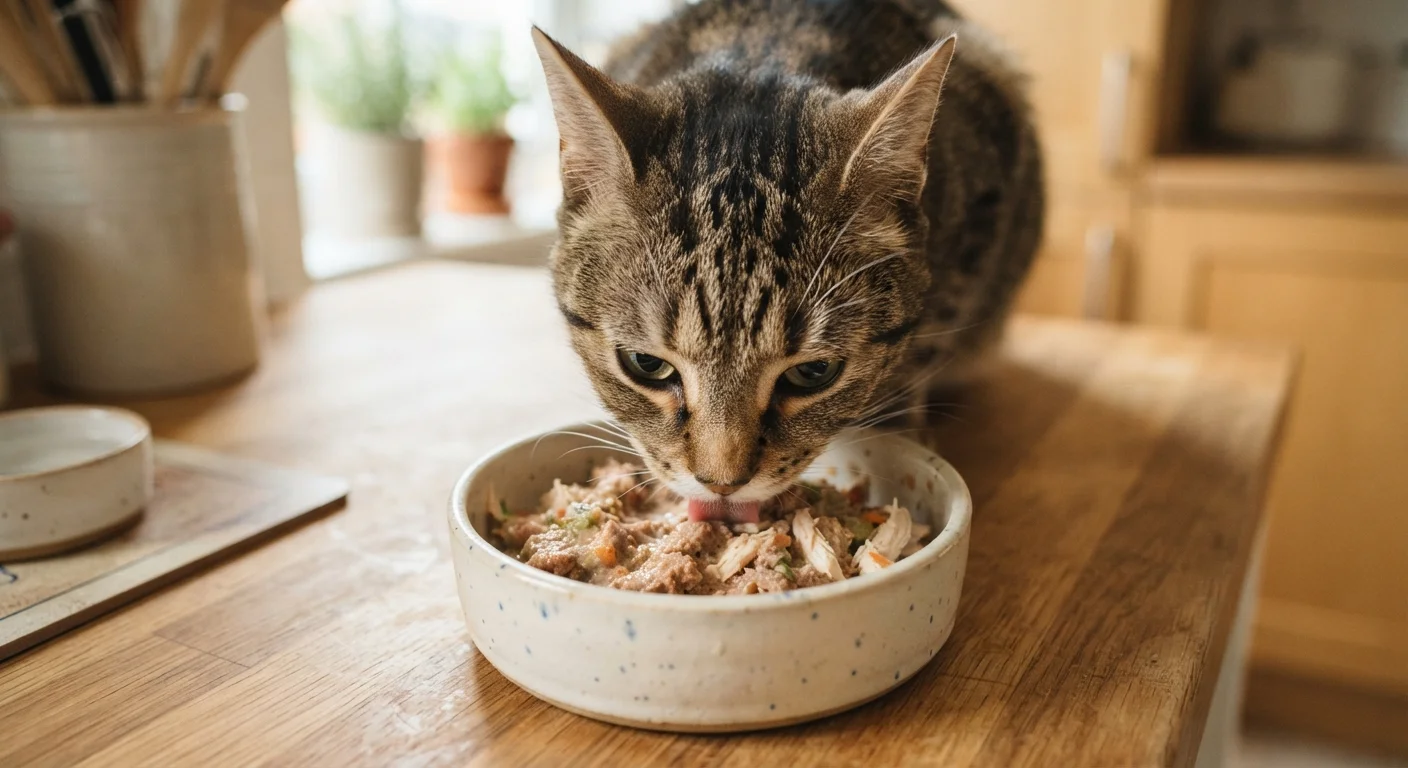
Photo credit: SyndicateExpert.com | Information At The Ready
In this article
Taurine, moisture content, protein ratios — learn what cats genuinely need nutritionally and why it differs from dogs.
Key Takeaways
- Cats are obligate carnivores and require animal-based protein as the foundation of their diet.
- Taurine is an essential amino acid for cats that must come from food — their bodies cannot produce enough on their own.
- Moisture intake is critical; cats evolved with a low thirst drive and often don't drink enough water from a bowl alone.
- Carbohydrates are not a biological requirement for cats, though small amounts are generally tolerated.
- Life stage and activity level — including whether a cat is indoor or outdoor — affect caloric and nutritional needs.
- Always consult a veterinarian before making significant changes to your cat's diet.
Why Cats Have Unique Nutritional Needs
Cats evolved as solitary hunters consuming small, protein-rich prey. That evolutionary history has left a permanent biological imprint: cats are obligate carnivores, meaning animal tissue isn't a preference — it's a physiological requirement. This sets them apart from dogs, which are true omnivores capable of extracting nutrition from a much wider range of food sources.
Several nutrients illustrate just how different feline metabolism is. Taurine, an amino acid found almost exclusively in animal tissue, is essential for cats' heart function, vision, and reproductive health. Dogs and humans produce enough taurine internally; cats do not. A taurine-deficient diet leads to dilated cardiomyopathy (a life-threatening heart condition) and retinal degeneration — often irreversibly. Similarly, cats cannot convert beta-carotene from plants into usable vitamin A the way dogs can; they need preformed retinol from animal sources. Arachidonic acid, a fatty acid dogs synthesize from linoleic acid, must also come directly from a cat's food.
These aren't minor distinctions — they're the reason feeding cats anything other than nutritionally complete, animal-protein-based food carries real health risk. For a contrast with how dogs' nutritional profiles differ in practice, see our guide to decoding dog nutrition labels.
The Big Three: Protein, Fat, and Moisture
Protein is the cornerstone of feline nutrition. Unlike omnivores, cats use protein as a continuous energy source — their livers are geared for high-protein processing at all times. Quality matters here: the protein should come from identifiable animal sources (chicken, salmon, turkey, beef) rather than rendered by-products of undisclosed origin. Most veterinary nutritionists consider protein content — on a dry matter basis — a more meaningful measure than the percentage listed on a typical label.
Fat serves as a concentrated energy source and carries fat-soluble vitamins. It also provides the essential fatty acids cats need for coat health, inflammation regulation, and cellular function. Omega-3 fatty acids, particularly those found in fish sources, support skin and joint health.
Moisture is the nutrient most commonly overlooked by cat owners. Cats evolved in arid environments and developed a naturally low thirst drive, historically meeting their water needs through prey. A cat eating only dry kibble may be in a state of chronic, low-grade dehydration — which puts pressure on the kidneys over time. Incorporating wet food meaningfully addresses this. Our breakdown of wet versus dry cat food explores hydration, cost, and palatability in detail.
~3–5%
Carbohydrate content of a cat's natural prey
Estimated macronutrient composition of whole small prey animals, as referenced in comparative feline nutrition research.
30–50%
Typical carbohydrates in dry cat food (dry matter basis)
A commonly cited range in veterinary nutrition literature, reflecting the carbohydrate load introduced by kibble manufacturing processes.
~70–80%
Moisture content of whole prey
The natural water content of small rodents and birds — the benchmark cats evolved to meet their hydration needs through food.
Carbohydrates, Life Stage, and Caloric Balance
Carbohydrates are not a biological requirement for cats. In the wild, a mouse contains roughly 3–5% carbohydrates. Yet many dry commercial cat foods contain 30–50% carbohydrates on a dry matter basis — used largely for manufacturing efficiency. Cats can tolerate modest carbohydrate intake, but high-carb diets over time have been associated with obesity and may complicate glucose regulation in diabetic-prone cats. This doesn't mean all carbs are dangerous, but it does mean the overall macronutrient ratio of a food deserves attention.
Life stage significantly shapes nutritional needs. Kittens require higher protein and fat, plus adequate calcium and phosphorus for bone development. Senior cats may need adjusted protein levels depending on kidney health, and some benefit from joint-supportive nutrients. Spayed or neutered cats — which represent the majority of pet cats — often have reduced caloric needs. For more on how spaying and neutering affects a cat's physiology, see our article on spaying and neutering cats.
Indoor cats, being less active than outdoor cats, are at higher obesity risk — portion discipline and appropriate caloric density matter. Keeping an indoor cat active also plays a role in weight management beyond just diet.
Reading Labels and Making Practical Choices
The most reliable signal that a commercial cat food meets nutritional standards is the AAFCO nutritional adequacy statement — a declaration that the product meets the nutrient profiles established by the Association of American Feed Control Officials for a specific life stage. Look for wording such as "complete and balanced for all life stages" or "formulated to meet the nutritional levels established by AAFCO." This statement doesn't guarantee premium ingredients, but it does confirm the food meets baseline nutritional requirements.
Beyond the label, consider the ingredient list. Ingredients are listed by weight before processing; a named protein source ("chicken," "salmon") appearing first is a positive indicator. Be cautious of foods where multiple carbohydrate sources appear early on the list — corn, corn gluten meal, and wheat listed consecutively, for example, effectively aggregate into a large carbohydrate fraction.
If your cat has specific health concerns — urinary issues, kidney disease, allergies, or diabetes — your veterinarian may recommend a prescription or therapeutic diet. These are designed to address clinical needs and shouldn't be substituted with general commercial foods without professional guidance. For a broader look at feline health information, common cat health myths is worth reviewing to separate evidence-based guidance from popular misconceptions.
This article is for general informational purposes only and is not a substitute for professional veterinary advice. Always consult a licensed veterinarian before making significant changes to your cat's diet or if you have concerns about your cat's health.
Frequently Asked Questions

Author
Pets & Animals Editorial Team
Pets & Animals Editorial Team is the collective byline for our editorial team and contributor network. Articles published under this byline or an editorial pen name are researched, written, and reviewed according to our editorial standards for clarity, consistency, and independence before publication.
View all articles →