
Spaying and Neutering Cats: What the Procedure Involves and Why Timing Matters
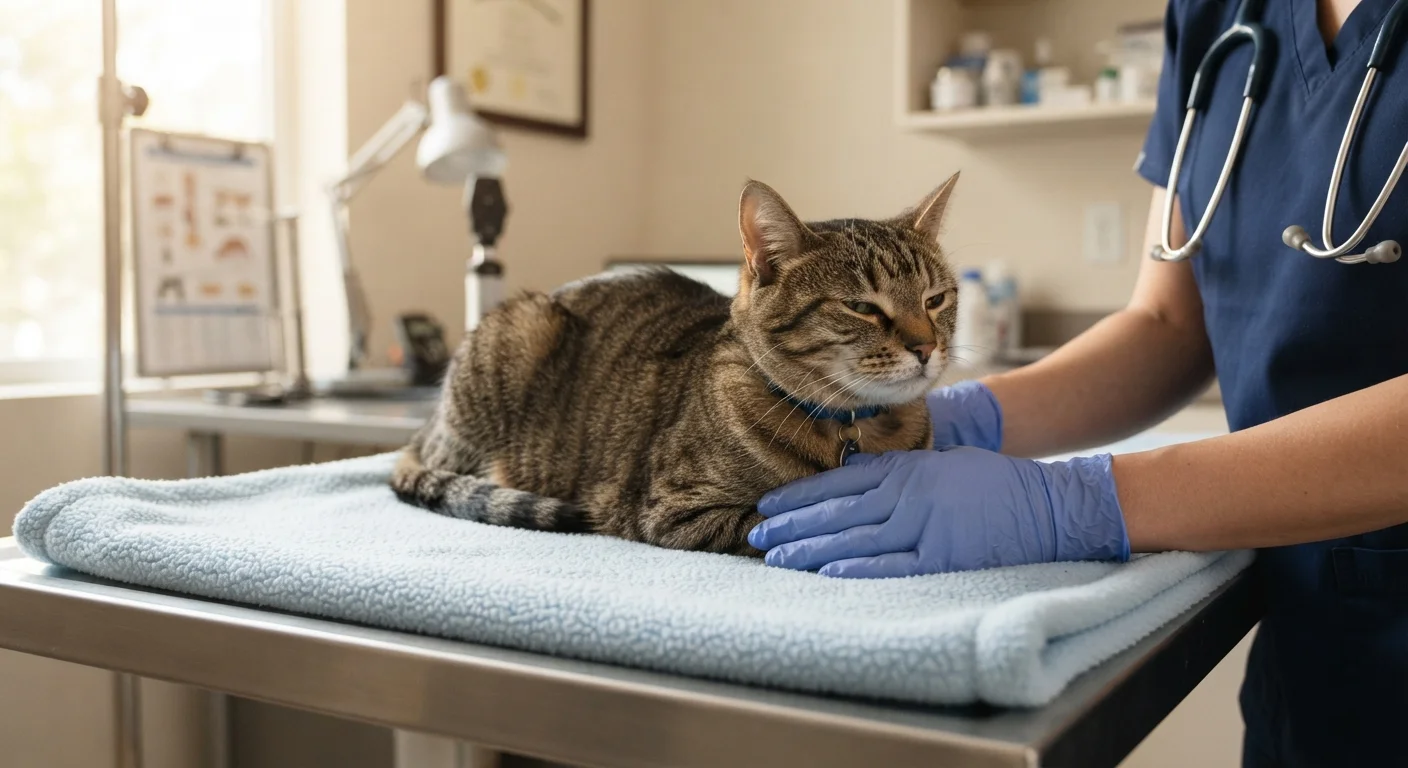
Photo credit: SyndicateExpert.com | Information At The Ready
In this article
A clear overview of what spay and neuter surgery entails, typical recovery, and how age at surgery can affect outcomes.
Key Takeaways
- Both spay and neuter surgeries are performed under general anesthesia and typically take less than an hour.
- Most cats recover fully within 10–14 days with proper post-operative care.
- Traditional guidance recommends surgery at around five to six months; early pediatric spay/neuter at eight weeks is also widely practiced.
- Spaying before the first heat cycle significantly reduces the risk of mammary tumors in female cats.
- Neutering male cats reduces roaming, urine spraying, and fighting behavior.
- Consult your veterinarian to determine the timing that best suits your individual cat's health and lifestyle.
What Actually Happens During the Surgery
Both spay and neuter procedures begin the same way: the cat is placed under general anesthesia, and the surgical site is shaved and sterilized. A veterinarian monitors vital signs — heart rate, oxygen levels, and temperature — throughout the procedure.
For a neuter, two small incisions are made in the scrotum, and the testicles are removed. The incisions are typically small enough to close without sutures or with dissolvable stitches. The procedure is minimally invasive and carries a short recovery window.
A spay is more involved. The surgeon makes a small incision in the abdomen, locates the reproductive organs, ties off blood vessels, and removes the ovaries and uterus (or ovaries alone, depending on the technique). The incision is closed in layers with sutures.
After surgery, the cat is kept warm and monitored as anesthesia wears off before being sent home, usually the same day. Your vet will provide specific post-operative instructions, including activity restrictions and signs of complications to watch for.
Ask About Pre-Surgical Bloodwork
For kittens under six months in good health, pre-surgical bloodwork is often optional. For cats over seven years or those with known health concerns, it can help identify anesthesia risks before surgery. Discuss this with your vet at the pre-surgical appointment — it's a reasonable question regardless of your cat's age.
Why Timing Matters: Age at Surgery and Health Outcomes
The question of when to spay or neuter a cat receives more nuanced attention than it used to. For cats, the evidence has historically been more straightforward than for larger dog breeds.
Spaying before the first heat cycle — which can occur as early as four months in some cats — dramatically lowers the lifetime risk of mammary (breast) tumors. Studies suggest that cats spayed before their first heat have a significantly lower risk of mammary cancer compared to intact females; the protective effect diminishes with each subsequent heat cycle.
For male cats, early neutering reduces testosterone-driven behaviors: roaming, urine spraying, inter-cat aggression, and the associated risk of injury and disease transmission from outdoor fighting.
Pediatric spay/neuter, performed as early as eight weeks, is well-established in shelter medicine and has a strong safety record. Kittens recover quickly and show no long-term developmental disadvantages under current evidence. However, some veterinarians prefer to wait until four to six months as a matter of routine practice.
For context on how timing debates differ by species, see the research on spay/neuter timing in dogs, where breed size plays a much larger role in recommendations.
~91%
Reduction in mammary tumor risk with early spay
Research published in veterinary oncology literature suggests spaying before the first heat cycle reduces mammary tumor risk by approximately 91% in cats.
4–6 months
Typical recommended age for surgery
Most North American veterinary organizations recommend spaying or neutering cats between four and six months of age, prior to first heat.
8 weeks
Minimum safe age for pediatric spay/neuter
Shelter medicine protocols widely accept pediatric spay/neuter at eight weeks; studies show comparable safety and recovery outcomes to surgery at older ages.
Recovery, Aftercare, and What to Expect at Home
Most cats bounce back quickly, but attentive home care in the first two weeks makes a meaningful difference in recovery quality.
- Activity restriction: Limit jumping, running, and roughhousing for 10–14 days to protect the incision.
- Incision monitoring: Check the site daily for redness, swelling, discharge, or opening. Some bruising is normal; spreading redness or odor is not.
- E-collar (cone) use: Prevent the cat from licking or chewing the incision, which is a leading cause of post-surgical infection.
- Pain management: Your vet will prescribe appropriate pain relief. Never give human pain medications to cats — many are toxic to felines.
- Food and litter: Offer a light meal the evening of surgery. Use unscented, non-clumping litter temporarily to avoid particles irritating the incision.
A follow-up appointment is typically scheduled 10–14 days post-surgery to confirm healing. If your cat seems lethargic for more than 24–48 hours, stops eating, or shows signs of pain, contact your vet promptly.
Planning ahead for your new cat's first few months — including the spay/neuter appointment — is easier with a full picture of early care needs. The guide to bringing a cat home for the first time covers setting up a safe recovery space alongside the other essentials.
Long-Term Health Considerations
Beyond reproductive health, spaying and neutering has several well-documented long-term effects that owners should understand going in.
Weight management requires attention after surgery. Altered cats have lower metabolic rates and caloric needs. Without dietary adjustment, gradual weight gain is common. Portion control and regular play are the primary preventive tools — for more on meeting feline nutritional needs appropriately, see the guide to balanced cat nutrition.
Reduced disease burden: Spayed females are not susceptible to uterine infections (pyometra), a serious and potentially life-threatening condition in intact females. Neutered males have no risk of testicular cancer.
Behavioral stability: Particularly for outdoor and free-roaming cats, neutering significantly reduces territorial behaviors that lead to injury, disease exposure, and roaming distance. Intact male cats can roam several miles in search of mates, elevating their risk of traffic injury, fights, and infectious disease.
Ongoing veterinary care remains important after surgery. Your annual vet visit is the right time to discuss weight, behavioral changes, and any lingering questions about your cat's reproductive health history.
This article is for general informational purposes only and does not constitute veterinary medical advice. Always consult a licensed veterinarian regarding decisions about your cat's health and care.
Frequently Asked Questions

Author
Pets & Animals Editorial Team
Pets & Animals Editorial Team is the collective byline for our editorial team and contributor network. Articles published under this byline or an editorial pen name are researched, written, and reviewed according to our editorial standards for clarity, consistency, and independence before publication.
View all articles →