
Spaying and Neutering: What the Research Actually Says
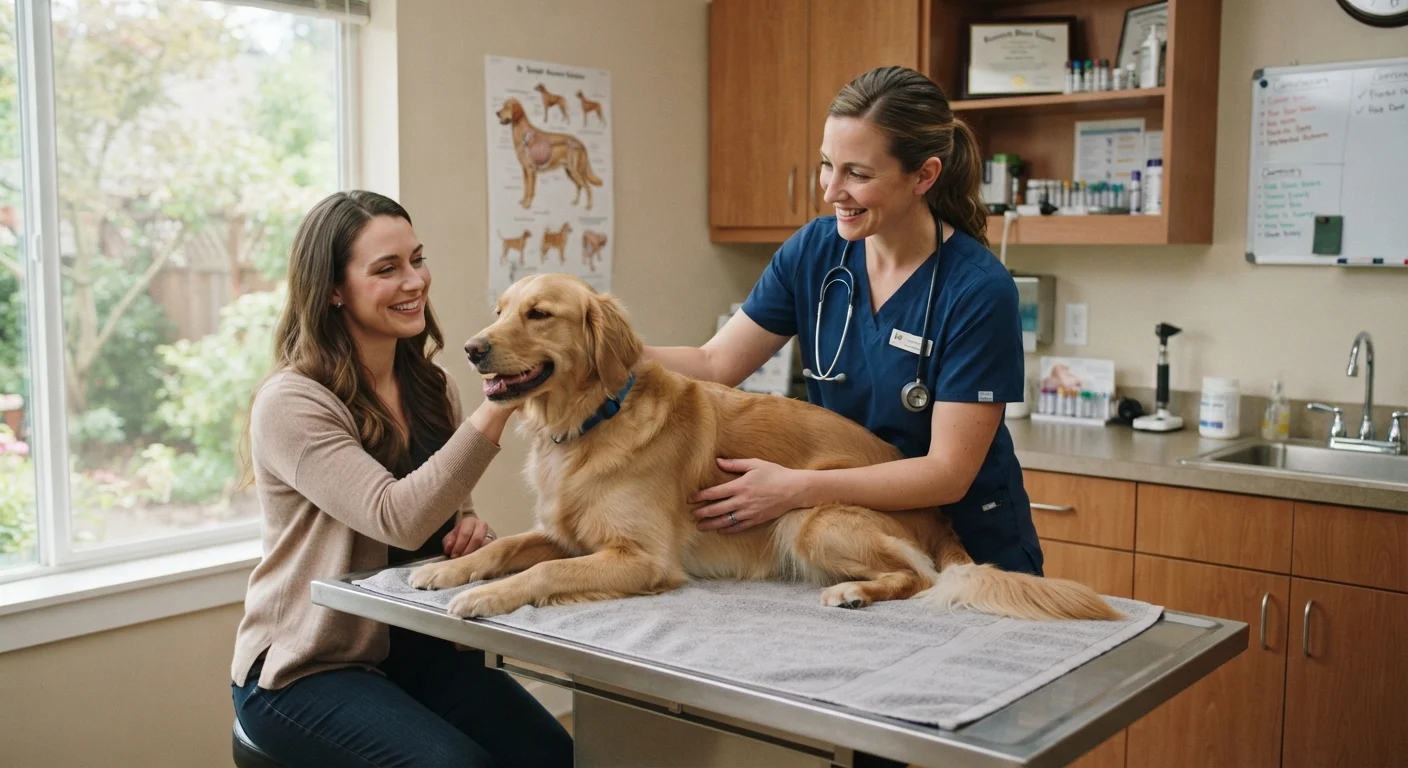
Photo credit: SyndicateExpert.com | Information At The Ready
In this article
The evidence on spay/neuter timing is more nuanced than most people realize. Here's a balanced look at the health and behavioral data.
Key Takeaways
- Spaying and neutering reliably reduce certain reproductive cancers and eliminate unwanted litters.
- Emerging research links early spay/neuter to increased risk of some orthopedic and hormonal conditions in dogs.
- Optimal timing varies by breed, size, and sex — a one-size-fits-all approach is increasingly questioned.
- Behavioral effects of neutering are real but more modest than commonly assumed.
- Consulting your veterinarian for a breed- and sex-specific plan remains the most evidence-based path.
Eliminates risk of pyometra and testicular cancer
Spaying completely prevents pyometra, a potentially fatal uterine infection. Neutering eliminates testicular cancer, which is relatively common in intact older male dogs.
Reduces mammary tumor risk in females
Spaying before the first heat cycle is associated with a significantly lower lifetime risk of mammary tumors, some of which are malignant in dogs.
Prevents unintended litters
Sterilization is the most reliable method of preventing unplanned pregnancies, directly reducing the number of dogs entering shelters each year.
Decreases certain hormone-driven behaviors
Neutering reduces roaming, urine marking, and mounting in many male dogs, particularly when performed before these behaviors become deeply established habits.
Eliminates risk of benign prostatic hyperplasia
Intact male dogs commonly develop an enlarged prostate with age; neutering halts or reverses this condition, preventing associated discomfort and urinary complications.
Early surgery may elevate joint disorder risk
Research in some large breeds links spay/neuter before 12 months to higher rates of hip dysplasia and cranial cruciate ligament injuries, conditions that are painful and costly to treat.
Possible increased risk of certain cancers
Some studies have found associations between early gonadectomy and higher rates of lymphoma and mast cell tumors in specific breeds, though the relationship is not fully established as causal.
Hormonal disruption affects physical development
Sex hormones guide bone growth and muscle development; removing them prematurely may result in taller, leaner dogs with different musculoskeletal profiles than intact counterparts.
Behavioral outcomes are inconsistent
Neutering does not reliably address fear-based aggression and may in some cases reduce confidence-related stability, making pre-surgical behavioral assessment important.
Surgical risks apply to every procedure
Spay and neuter surgeries carry standard anesthetic and surgical risks, particularly relevant for very young puppies or dogs with underlying health conditions.
Why the Conversation Has Shifted
For decades, spaying and neutering at six months of age was the standard recommendation across American veterinary practice. The logic was straightforward: eliminate reproductive cancers, curb pet overpopulation, and reduce certain hormone-driven behaviors. That consensus, while well-intentioned, has been complicated by a growing body of peer-reviewed research suggesting that timing matters more than previously understood.
Studies from institutions including the University of California, Davis, have examined how the age at which a dog is spayed or neutered correlates with the later development of joint disorders, certain cancers, and other health outcomes. The findings are not uniform — they vary significantly by breed and sex — but they have prompted many veterinary organizations to revisit their blanket early-age recommendations.
For cat owners navigating a similar decision, our companion piece covers spay/neuter timing and procedure details for cats in depth.
The Case For Spaying and Neutering
The benefits of spay and neuter surgery are well-documented and should not be minimized.
Eliminates risk of pyometra and testicular cancer
Spaying completely prevents pyometra, a potentially fatal uterine infection. Neutering eliminates testicular cancer, which is relatively common in intact older male dogs.
Reduces mammary tumor risk in females
Spaying before the first heat cycle is associated with a significantly lower lifetime risk of mammary tumors, some of which are malignant in dogs.
Prevents unintended litters
Sterilization is the most reliable method of preventing unplanned pregnancies, directly reducing the number of dogs entering shelters each year.
Decreases certain hormone-driven behaviors
Neutering reduces roaming, urine marking, and mounting in many male dogs, particularly when performed before these behaviors become deeply established habits.
Eliminates risk of benign prostatic hyperplasia
Intact male dogs commonly develop an enlarged prostate with age; neutering halts or reverses this condition, preventing associated discomfort and urinary complications.
Mammary tumors in intact female dogs carry a meaningful malignancy rate, and spaying before the first or second heat cycle substantially reduces that risk. Similarly, pyometra — a life-threatening uterine infection — is entirely prevented by spaying. In males, testicular cancer is eliminated, and benign prostatic hyperplasia is significantly reduced.
Population-level benefits are also real. Millions of dogs enter shelters each year, and unintended litters contribute directly to that pressure. Spay/neuter programs have measurably reduced euthanasia rates in communities where access to surgery has improved.
~6.5M
Animals entering U.S. shelters annually
According to the ASPCA, approximately 6.5 million companion animals enter U.S. animal shelters each year, with unintended litters a contributing factor.
4–7x
Increased joint disorder risk in some large breeds
A UC Davis study found that some large breeds neutered before 12 months showed up to several times higher rates of joint disorders compared to intact dogs.
The Emerging Concerns About Timing
The more contested area of research involves the developmental role of sex hormones in dogs. Gonadal hormones — estrogen and testosterone — influence growth plate closure, musculoskeletal development, and immune function. Removing these hormones before physical maturity may, in some breeds, increase vulnerability to specific conditions.
Early surgery may elevate joint disorder risk
Research in some large breeds links spay/neuter before 12 months to higher rates of hip dysplasia and cranial cruciate ligament injuries, conditions that are painful and costly to treat.
Possible increased risk of certain cancers
Some studies have found associations between early gonadectomy and higher rates of lymphoma and mast cell tumors in specific breeds, though the relationship is not fully established as causal.
Hormonal disruption affects physical development
Sex hormones guide bone growth and muscle development; removing them prematurely may result in taller, leaner dogs with different musculoskeletal profiles than intact counterparts.
Behavioral outcomes are inconsistent
Neutering does not reliably address fear-based aggression and may in some cases reduce confidence-related stability, making pre-surgical behavioral assessment important.
Surgical risks apply to every procedure
Spay and neuter surgeries carry standard anesthetic and surgical risks, particularly relevant for very young puppies or dogs with underlying health conditions.
The UC Davis research identified elevated rates of hip dysplasia, cranial cruciate ligament tears, and certain cancers — including lymphoma and mast cell tumors — in some breeds spayed or neutered before 12 months. Critically, this association was not uniform: large and giant breeds appear more affected than small breeds, and the risks differed between males and females.
It is important to note that these findings are associative, not definitively causal, and the research is still evolving. They do not argue against spaying or neutering — they argue for thinking carefully about when.
Behavioral Effects: What the Data Actually Shows
Many owners cite behavioral improvement as a primary motivation for neutering, particularly in male dogs. The evidence here is more nuanced than popular belief suggests.
Neutering reliably reduces roaming, urine marking, and mounting behavior in a meaningful proportion of male dogs — but it is not a universal behavioral reset. Aggression that is fear-based or learned tends to be unaffected or, in some cases, mildly worsened following neutering, since testosterone can actually contribute to confidence in certain dogs. A 2018 analysis published in Frontiers in Veterinary Science found some associations between early neutering and increased fearfulness and aggression in certain breeds.
Behavioral concerns are best addressed through training and environmental management alongside — not instead of — a veterinary assessment of surgical timing.
Breed-Specific Guidance Is Expanding
Several veterinary schools and professional organizations have begun publishing breed-specific spay/neuter guidelines based on accumulated research data. Breeds such as Golden Retrievers, Labrador Retrievers, and German Shepherds have received particular attention. Asking your veterinarian whether breed-specific timing data exists for your dog is a practical first step in the conversation.
Making the Right Decision for Your Dog
The research does not offer a single answer, but it does offer a clearer framework. Breed size and sex are the two most important variables when discussing timing with your veterinarian. Many veterinary professionals now recommend waiting until closer to 12–18 months for large and giant breed dogs before spaying or neutering, while continuing to support earlier intervention for small breeds and for dogs in situations where unintended breeding is a realistic risk.
Your dog's individual health history, living situation, and behavioral profile all factor into the decision. A frank conversation with a veterinarian who is current on this research is the most reliable path to a tailored recommendation.
This article is for general informational purposes only and does not constitute veterinary medical advice. Always consult a licensed veterinarian for guidance specific to your dog's health and circumstances.

Author
Pets & Animals Editorial Team
Pets & Animals Editorial Team is the collective byline for our editorial team and contributor network. Articles published under this byline or an editorial pen name are researched, written, and reviewed according to our editorial standards for clarity, consistency, and independence before publication.
View all articles →