
Car Ownership Myths That Cost Americans Money
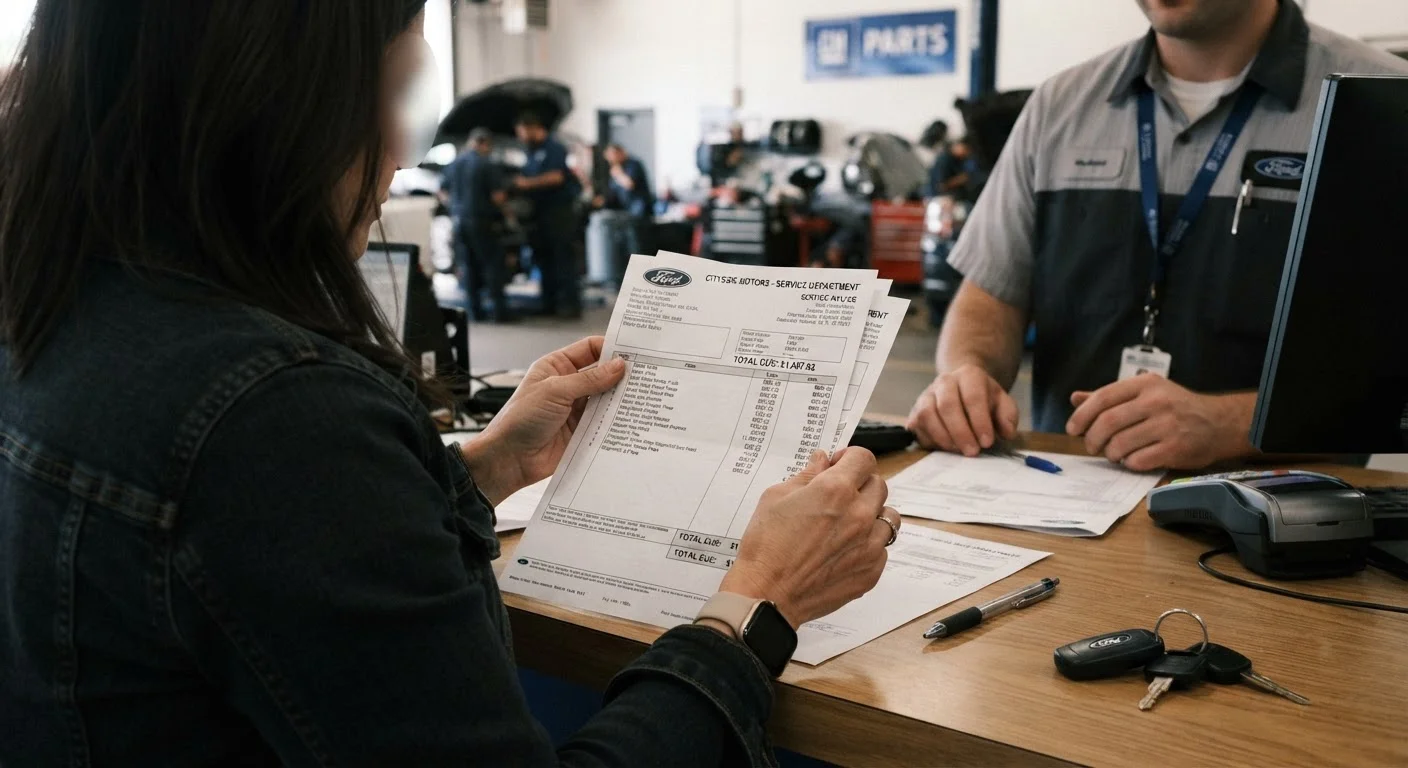
Photo credit: SyndicateExpert.com | Information At The Ready
From oil change intervals to insurance minimums, some widely held car beliefs are flat-out wrong — and acting on them can get expensive.
Key Takeaways
- Modern vehicles rarely need oil changes every 3,000 miles - manufacturer intervals are often much longer.
- Carrying only your state's minimum insurance can leave you financially exposed after a serious accident.
- Dealer maintenance isn't required to keep your factory warranty valid under federal law.
- Red cars don't cost more to insure - insurers don't factor paint color into premiums.
- Letting a car 'warm up' for extended periods wastes fuel and provides little modern engine benefit.
- A higher car payment doesn't always mean you're building equity - depreciation can outpace ownership.
Why Car Myths Are Expensive Problems
Bad information about car ownership doesn't just feel wrong - it costs real money. Americans collectively spend billions annually on unnecessary maintenance, inadequate insurance coverage, and misunderstood financing terms. Many of these decisions trace back to advice that was once reasonable but has since been overtaken by advances in automotive engineering, insurance regulation, or lending practices.
Some myths stem from outdated rules of thumb passed down by well-meaning relatives. Others persist because they benefit service providers who profit from unnecessary work. Understanding which beliefs are wrong - and why - is one of the most practical things a car owner can do. For a broader look at every cost category shaping what you actually pay, see The True Cost of Owning a Car in America.
Myth
You need to change your oil every 3,000 miles to protect your engine.
Fact
Most modern vehicles with conventional oil can go 5,000-7,500 miles between changes, and many using full synthetic oil can safely go 10,000-15,000 miles, per manufacturer guidelines.
The 3,000-mile rule made sense for older engines and earlier oil formulations. Today's engines are built to tighter tolerances, and modern motor oils - especially full synthetics - are engineered to last far longer without breaking down. The best guide is your vehicle's owner's manual, which reflects the actual engineering of your specific engine. Following it saves money without sacrificing protection. See also why DIY oil changes aren't as simple as they seem for a realistic look at home maintenance tradeoffs.
Myth
Carrying your state's minimum liability insurance is enough protection.
Fact
State minimums are legally required floors, not financial safety nets. A single serious accident can generate costs that far exceed minimum limits, leaving you personally liable for the difference.
If you cause an accident resulting in significant injuries or property damage, your insurer pays only up to your policy limits. Anything beyond that can be pursued against you personally - including wages, savings, and assets. Many financial professionals recommend carrying liability limits substantially higher than state minimums. Understanding why your car insurance premium is what it is helps you make more informed coverage decisions.
Myth
You must take your car to the dealership for service to keep the warranty valid.
Fact
The federal Magnuson-Moss Warranty Act makes it illegal for manufacturers to void your warranty solely because you used an independent repair shop or non-OEM parts, provided proper service standards are met.
This myth is widespread and profitable for dealerships. In practice, you can use any qualified mechanic and retain your factory warranty - but you should keep detailed records of all service work, including receipts and part descriptions. If a warranty claim arises related to a specific repair, documentation demonstrating that proper procedures and equivalent components were used provides important protection.
Myth
Red cars cost more to insure because police pull them over more often.
Fact
Auto insurers do not use paint color as a rating factor. Premiums are based on the vehicle's make, model, age, engine, safety ratings, your driving record, location, credit history (where permitted), and other actuarial variables.
This is one of the most enduring automotive legends. No major U.S. insurance company includes color in its underwriting formula - it simply isn't a factor. What does significantly affect your rate is the vehicle's loss history (how often that model is involved in claims), its repair cost profile, your personal driving record, and where you garage the car. These are the variables worth understanding and managing.
Myth
You need to let your car warm up for several minutes before driving in cold weather.
Fact
Modern fuel-injected engines reach operating temperature faster by being driven gently than by idling. Extended warm-up periods waste fuel and can deposit unburned fuel in the engine.
Extended idling made sense with older carbureted engines that needed time to stabilize fuel mixture. Today's vehicles are managed by electronic fuel injection systems that adjust automatically based on engine temperature. A brief 30-second idle to allow oil to circulate is generally sufficient; after that, driving gently while the engine warms up is both faster and healthier for the engine than prolonged stationary idling.
Myth
A lower monthly car payment always means you're getting a better financial deal.
Fact
Monthly payment amount alone doesn't reflect total loan cost. Extending a loan term lowers payments but increases total interest paid and can leave you underwater on the loan.
Lenders and dealers sometimes structure conversations around monthly payment rather than total cost - because a lower payment feels more affordable even when the overall deal is more expensive. A 72- or 84-month loan at a higher interest rate can cost thousands more than a 48-month loan, even if the monthly figure looks friendlier. Always calculate the total amount repaid - principal plus interest - before agreeing to financing terms. For broader context on car ownership finances, understanding car ownership from a complete starting point is a useful reference.
Insurance, Warranties, and Financial Traps
Beyond maintenance, some of the costliest car myths involve insurance coverage decisions and financing assumptions. Minimum liability limits set by states are floors, not recommendations - and they're often far below what a serious accident can cost. Your state's requirements shape your baseline, but state laws shape what car ownership actually costs you in more ways than most drivers realize.
On the financing side, many owners assume a lower monthly payment always represents a better deal. In reality, extending a loan term reduces monthly payments but dramatically increases total interest paid - and can leave you owing more than the car is worth if depreciation outpaces your payoff schedule. Building smarter day-to-day financial habits around your vehicle is a learnable skill; practical habits for managing ongoing car costs can make a measurable difference over time.
$10,728
Average annual cost to own a new vehicle
According to AAA's annual Your Driving Costs study, total ownership expenses including depreciation, fuel, insurance, and maintenance regularly exceed $10,000 per year for new vehicle owners.
Over 60%
Drivers who believe the 3,000-mile oil myth
Industry surveys have consistently found that a majority of American drivers still believe the 3,000-mile oil change interval applies to their vehicle, even when their manufacturer recommends otherwise.
The warranty myth deserves special attention: federal law under the Magnuson-Moss Warranty Act prohibits manufacturers from voiding your factory warranty simply because you had service performed at an independent shop, as long as equivalent parts and proper procedures were used. You are not required to pay dealer prices for routine maintenance to keep your coverage intact.

Author
Cars & Driving Editorial Team
Cars & Driving Editorial Team is the collective byline for our editorial team and contributor network. Articles published under this byline or an editorial pen name are researched, written, and reviewed according to our editorial standards for clarity, consistency, and independence before publication.
View all articles →