
Why Meal Prep Falls Apart by Wednesday
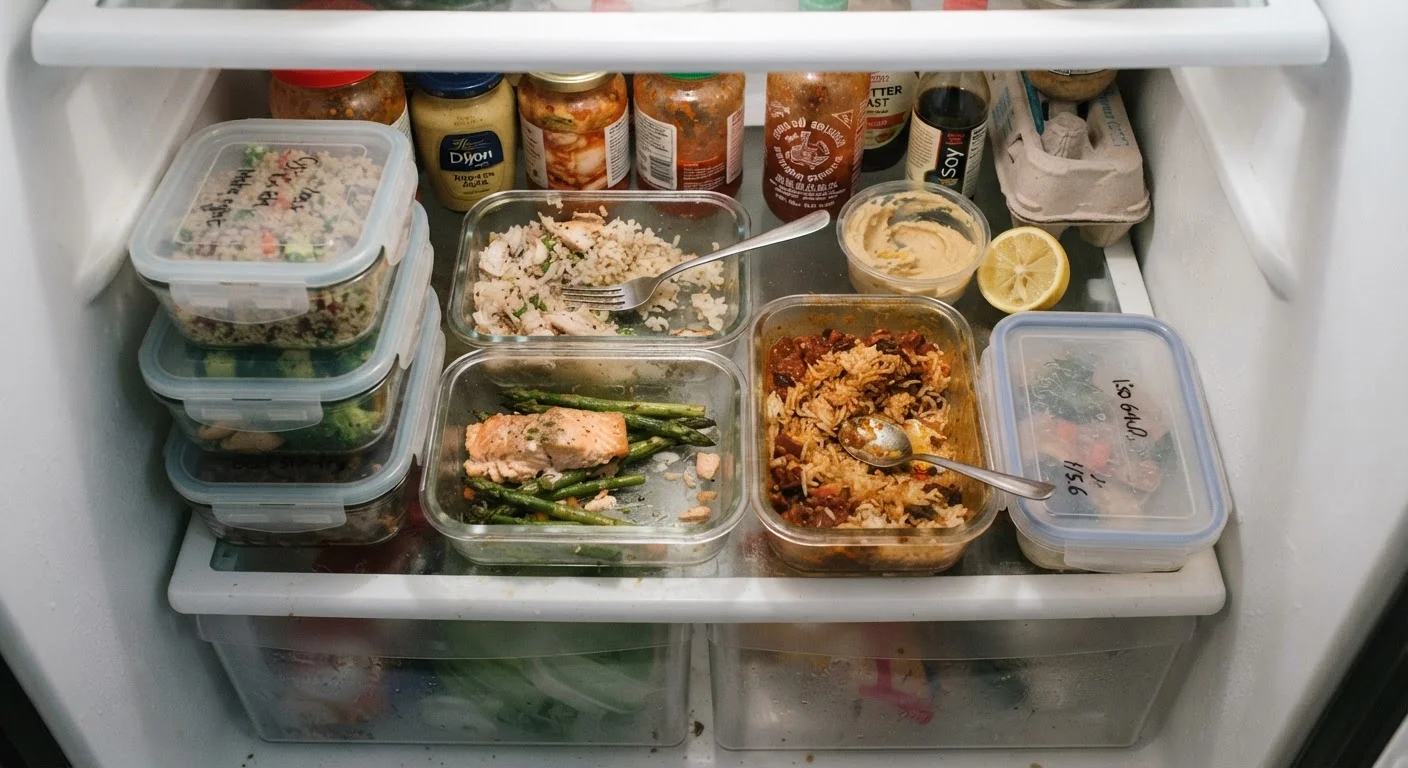
Photo credit: SyndicateExpert.com | Information At The Ready
In this article
The recurring planning and storage mistakes that derail healthy eating routines — and the adjustments that make prep actually stick.
Key Takeaways
- Prepping too much variety at once leads to decision fatigue and food waste by mid-week.
- Improper storage — wrong containers, warm food sealed too soon — accelerates spoilage.
- Rigid meal plans that ignore real-life schedules are the most common reason prep fails.
- Simple, strategic adjustments to planning and storage dramatically improve follow-through.
- Sustainable meal prep matches your actual week, not an idealized version of it.
The Real Reason Your Prep Doesn't Survive the Week
Meal prep fails consistently not because people lack discipline, but because the approach itself has structural problems. The planning is too ambitious, the storage is improvised, and the system ignores how real weeks actually unfold. By Wednesday, what seemed like a well-stocked fridge starts to feel like a burden — containers of the same food, wilting greens, or nothing that actually sounds appealing.
The good news: most of these failures trace back to a handful of predictable mistakes, each with a practical fix. Eating well on a genuinely busy schedule requires systems that flex with your life, not rigid plans that crumble under the first disruption.
Prepping an entire week's worth of identical meals in one session.
Why it happens: The appeal of total control leads people to cook the same chicken-and-rice dish seven times over, which feels efficient on Sunday but monotonous by Tuesday.
Using the wrong containers, or too many different sizes.
Why it happens: People grab whatever containers are available without thinking about portioning, stackability, or how food interacts with certain materials over days.
Building a plan based on aspirational eating rather than how you actually live.
Why it happens: Motivation is highest on Sunday. People plan for the best-case version of their week — home every night by 6 p.m., zero social plans, full appetite for every meal.
Skipping the 'mid-week refresh' entirely.
Why it happens: The mental model of meal prep is one big Sunday session — anything beyond that feels like it defeats the purpose.
Storing everything together and losing track of what needs to be eaten first.
Why it happens: When the fridge is full, most people just grab whatever is easiest to reach, not what's oldest or most perishable.
Storage and Food Safety: The Overlooked Foundation
Even a well-planned prep session can go sideways if the storage phase is handled carelessly. Most people underestimate how quickly improperly stored food degrades — in flavor, texture, and safety.
Don't Seal Hot Food in Airtight Containers
Placing hot food directly into sealed containers traps steam and raises the internal temperature of your refrigerator, which can push neighboring items into unsafe temperature zones. Let cooked food cool on the counter for no more than 30–45 minutes before refrigerating — but don't leave it out longer than two hours total.
Beyond temperature, container choice matters more than most people realize. Porous plastics absorb odors and stains from strong-flavored foods like curries or tomato-based dishes, making future use unpleasant. Uniform, airtight containers that stack efficiently also reduce the chaos of a packed fridge — a disorganized refrigerator is one of the quieter habits that quietly undermine healthy eating over time.
Food Safety Is Non-Negotiable
Prepped meals should be refrigerated within two hours of cooking and consumed within three to four days, according to USDA food safety guidelines. If food smells off, looks discolored, or has been stored longer than recommended, discard it — do not attempt to revive it. When in doubt, throw it out. Foodborne illness is a serious health risk that no prep shortcut is worth.
If you're just beginning to build healthier eating habits, treating food storage as a core skill — not an afterthought — is one of the highest-return investments you can make.
This article provides general nutrition and food safety information for educational purposes only. It is not a substitute for personalized advice from a registered dietitian or qualified healthcare professional.

Author
Health & Wellness Editorial Team
Health & Wellness Editorial Team is the collective byline for our editorial team and contributor network. Articles published under this byline or an editorial pen name are researched, written, and reviewed according to our editorial standards for clarity, consistency, and independence before publication.
View all articles →