
Mindfulness Without the Mysticism: A Practical Look at What It Does
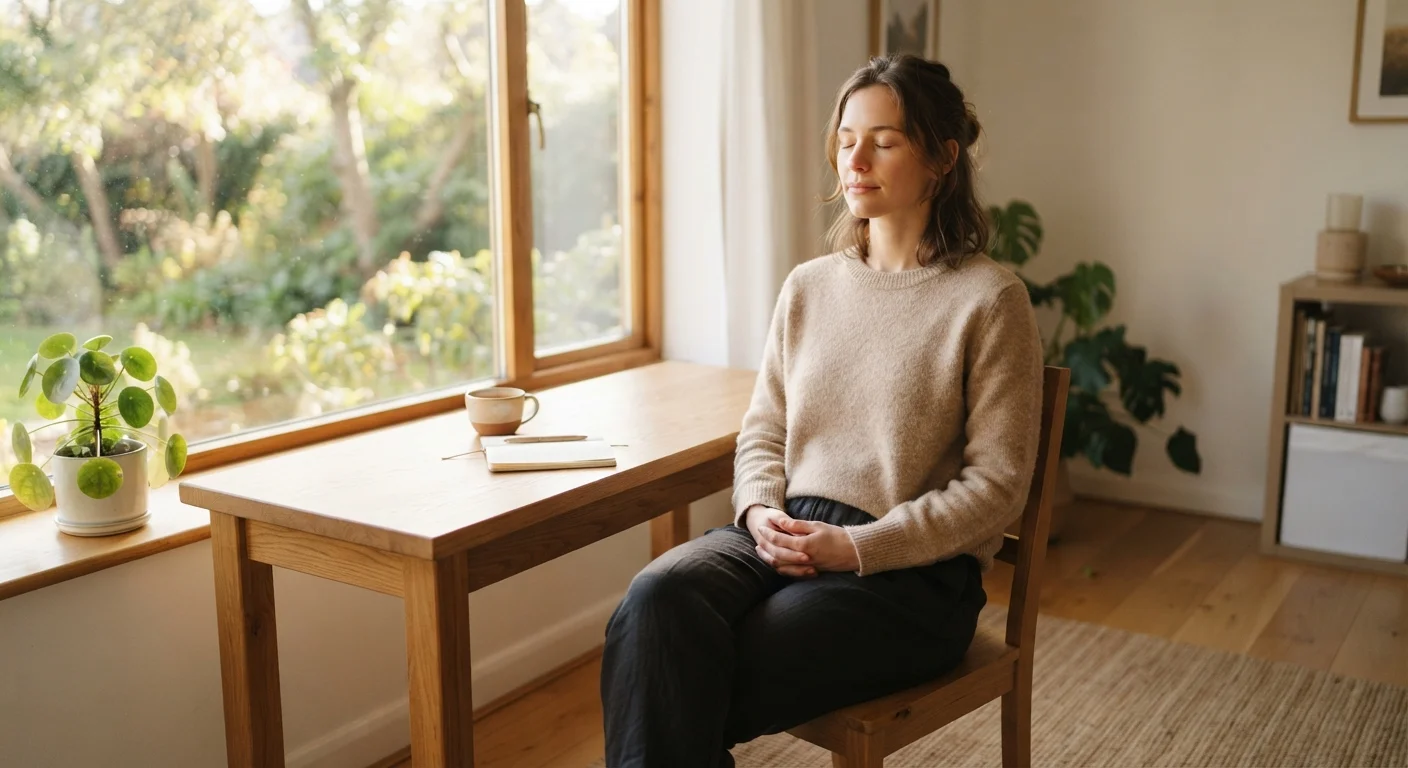
Photo credit: SyndicateExpert.com | Information At The Ready
In this article
Stripped of jargon, mindfulness is a trainable attention skill. Here's what it involves, what the evidence supports, and how people practice it.
Key Takeaways
- Mindfulness is a learnable attention skill, not a spiritual requirement or personality type.
- Research supports its use for reducing stress, improving focus, and managing low mood.
- Formal practice (meditation) and informal practice (everyday awareness) both count.
- Benefits typically build gradually with consistent practice, not after a single session.
- Mindfulness complements but does not replace professional mental health care.
What Mindfulness Actually Means
Strip away the candles, the apps, and the wellness branding, and mindfulness is straightforward: it is the intentional act of paying attention to your present experience without immediately judging it or trying to push it away. That includes bodily sensations, emotions, and thoughts — whatever is happening right now, noticed with a degree of openness rather than automatic reaction.
The concept entered Western medicine primarily through the work of Jon Kabat-Zinn, a molecular biologist who developed Mindfulness-Based Stress Reduction (MBSR) at the University of Massachusetts in the late 1970s. His contribution was translating a practice with contemplative roots into a structured, measurable, secular intervention that could be studied and replicated in clinical settings. Today it is taught in hospitals, schools, and workplaces worldwide.
The core mechanism is attention training. When your mind wanders — and it will — you notice this and gently redirect focus back. Over time, this repeated redirection strengthens the mental "muscle" involved in self-regulation. It is exercise for attention, not a personality shift or a philosophical commitment.
What the Evidence Actually Supports
Mindfulness research has grown substantially, and results are encouraging in several areas — though it is important to read the evidence honestly rather than overclaim.
~47%
Time the average mind spends wandering
A large-scale study published in Science (Killingsworth & Gilbert, 2010) found that people reported mind-wandering nearly half the time they were sampled — and that it was associated with lower momentary happiness.
8 weeks
Standard MBSR program length
Most clinical evidence for mindfulness benefits is anchored in structured eight-week programs such as MBSR and MBCT, which meet weekly and include daily home practice.
~43%
Reduction in depressive relapse risk with MBCT
A meta-analysis published in JAMA Internal Medicine found MBCT reduced risk of depressive relapse by approximately 43% compared to usual care in patients with recurrent depression.
Stress and anxiety: Multiple meta-analyses find that mindfulness-based programs produce meaningful reductions in self-reported stress and anxiety symptoms in general adult populations. Effect sizes are moderate, comparable to other active psychological interventions.
Depression relapse: Mindfulness-Based Cognitive Therapy (MBCT) has strong evidence for reducing the risk of depressive relapse in people who have experienced three or more episodes of depression. The UK's National Institute for Health and Care Excellence (NICE) recommends it for this purpose.
Attention and cognitive control: Studies using neuroimaging suggest regular practice is associated with changes in regions involved in attention regulation, though this field is still maturing and caution about oversimplified "rewiring the brain" claims is warranted.
Physical symptoms: There is moderate evidence for reductions in chronic pain perception and improved sleep quality, though results vary by individual and condition.
What the evidence does not strongly support: mindfulness as a replacement for clinical treatment of serious mental health conditions, or as a guaranteed productivity booster. It is one useful tool, not a cure-all.
How People Actually Practice It
Mindfulness practice falls into two broad categories, and both are legitimate.
Formal practice means setting aside dedicated time — typically five to thirty minutes — to train attention deliberately. Common forms include:
- Breath-focused meditation: Sitting quietly and anchoring attention to the physical sensations of breathing. When the mind wanders, you notice this without self-criticism and return to the breath.
- Body scan: Systematically moving attention through different parts of the body, noticing sensations without trying to change them.
- Open monitoring: Sitting with awareness open to whatever arises — sounds, thoughts, physical feelings — without latching onto any one thing.
Informal practice means bringing deliberate attention to ordinary activities: eating without a screen, walking while noticing physical sensations, or pausing to take three conscious breaths before responding to a stressful message. These micro-moments accumulate meaningfully.
Start Smaller Than You Think You Should
Research on habit formation suggests that very short, consistent practice beats occasional long sessions. Beginning with just five minutes a day — even two or three — lowers the barrier enough that most people actually follow through. Consistency over weeks matters far more than session length. Once the habit is established, duration can expand naturally.
If you are exploring mindfulness as part of a broader mental wellness effort, it pairs well with other evidence-supported habits. The article Building a Personal Mental Wellness Routine from the Ground Up offers a practical framework for layering habits together. For periods of acute stress specifically, Sustainable Ways to Protect Your Mental Health During High-Stress Periods outlines approaches grounded in similar evidence.
Common Misconceptions Worth Clearing Up
A few persistent myths prevent people from trying mindfulness or cause them to abandon it too quickly.
"I can't do it because I can't stop thinking." The goal is not a blank mind. Noticing that your mind has wandered and redirecting it is the practice — every redirect is a successful repetition, not a failure.
"It's only for calm people." Mindfulness is particularly useful for people whose minds are busy and reactive. The discomfort of sitting with a racing mind is precisely what the practice trains you to work with.
"I need an app or a class." Structured programs and guided resources are helpful, especially at first, but they are not prerequisites. Sitting quietly and watching your breath costs nothing.
"It conflicts with my beliefs." The secular clinical form of mindfulness is intentionally belief-neutral. It asks you to pay attention to experience, not to adopt any worldview. Many people from all religious and non-religious backgrounds practice it without conflict.
If you are also interested in other evidence-informed self-reflection tools, When Journaling Helps Your Mental Health — and When It Doesn't explores a related practice with its own distinct evidence base and caveats.
This article is for general informational purposes only and does not constitute medical or mental health advice. If you are experiencing significant mental health symptoms, please consult a qualified healthcare professional.
Frequently Asked Questions

Author
Health & Wellness Editorial Team
Health & Wellness Editorial Team is the collective byline for our editorial team and contributor network. Articles published under this byline or an editorial pen name are researched, written, and reviewed according to our editorial standards for clarity, consistency, and independence before publication.
View all articles →