
Sleep and Physical Recovery: The Link Most Fitness Plans Ignore
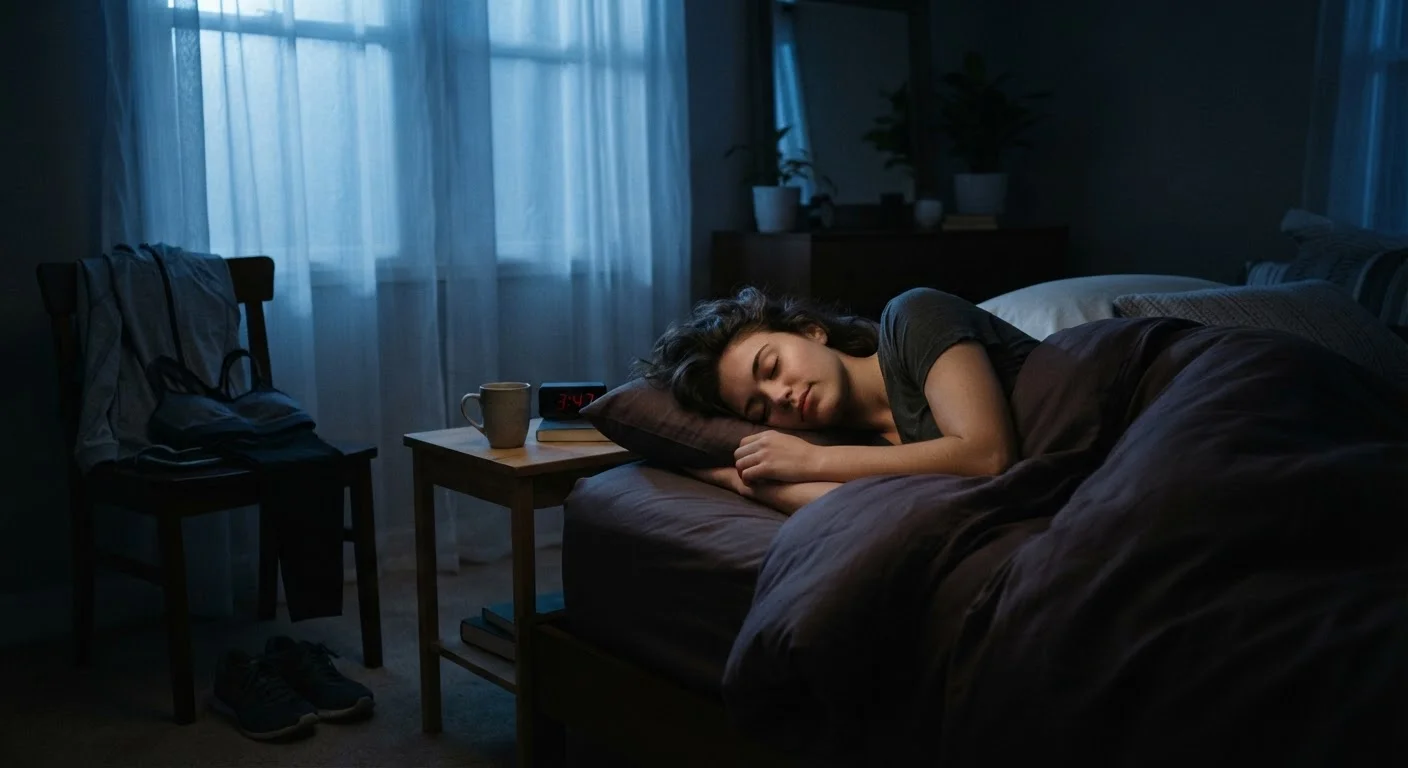
Photo credit: SyndicateExpert.com | Information At The Ready
In this article
Recovery doesn't happen only in the gym. This article examines how sleep quality and duration directly affect muscle repair, hormones, and performance.
Key Takeaways
- Muscle repair and growth happen primarily during sleep, not during the workout itself.
- Growth hormone, which drives tissue repair, is released mostly during deep sleep stages.
- Chronic sleep restriction is associated with elevated cortisol levels, which can impair recovery.
- Even modest sleep deprivation can reduce strength output, reaction time, and endurance.
- Improving sleep quality is a low-cost, high-return strategy for any fitness goal.
- Consistent sleep schedules support the circadian rhythms that regulate recovery hormones.
Why Recovery Happens in Bed, Not the Gym
Most fitness plans devote considerable attention to training volume, exercise selection, and nutrition. What they rarely address with equal seriousness is sleep — despite the fact that physical adaptation to exercise occurs almost entirely during rest, not during the workout itself.
When you train, you create controlled stress: muscle fibers develop micro-tears, glycogen stores are depleted, and the nervous system is taxed. The workout is the stimulus. Sleep is where the actual rebuilding takes place. Skipping or shortchanging this phase doesn't just leave you tired — it directly limits the gains you're working for.
If you're structuring a weekly exercise routine, sleep deserves the same planning attention as your training days. Think of it as a non-negotiable component of the schedule, not a passive backdrop.
The Hormonal Engine Behind Muscle Repair
The most important hormonal event in physical recovery is the release of human growth hormone (HGH). This hormone drives protein synthesis, cellular repair, and fat metabolism — and it is secreted predominantly during slow-wave (deep) sleep. Fragmented sleep, late bedtimes, or consistently short nights all reduce the amount of deep sleep achieved, directly limiting HGH output.
Cortisol tells a complementary story. This stress hormone, when chronically elevated due to poor sleep, signals the body to break down muscle tissue for energy — the opposite of what training is trying to achieve. Research has consistently found that sleep-deprived individuals show altered cortisol patterns that work against muscle preservation and recovery.
Testosterone, another anabolic hormone important for muscle repair in both men and women, is also suppressed by inadequate sleep. Studies have found that even one week of sleeping five hours per night can meaningfully reduce testosterone levels in healthy young adults.
8+ hrs
Sleep linked to significantly lower injury rates in athletes
A study published in the Journal of Pediatric Orthopaedics found athletes sleeping 8 or more hours per night were far less likely to sustain injuries compared to those sleeping fewer hours.
~15%
Reduction in testosterone from one week of sleep restriction
Research published in JAMA found that healthy young men sleeping 5 hours per night for one week showed testosterone levels reduced by 10–15% compared to their well-rested baseline.
Up to 30%
Decline in physical performance from acute sleep loss
Studies on sleep deprivation and athletic performance report reductions in strength, speed, and endurance output of up to 30% after significant sleep restriction.
How Sleep Deprivation Undermines Performance
The performance costs of poor sleep extend well beyond feeling groggy. Research shows that sleep-restricted individuals experience measurable declines in muscular strength, reaction time, aerobic endurance, and decision-making accuracy. These aren't subtle changes — athletes who sleep fewer than 8 hours are shown to be significantly more likely to experience injuries over a season compared to those who sleep 8 or more hours.
Perceived effort also increases with sleep loss. Tasks that feel manageable when well-rested feel harder when under-slept, which can reduce training output and motivation over time. This creates a compounding problem: poor sleep leads to worse workouts, which leads to slower progress, which can erode the motivation that sustains a fitness habit.
This matters especially when returning to exercise after a break, when the body is already adapting to renewed training stress and recovery capacity is especially important.
Practical Strategies to Protect Sleep for Recovery
Improving sleep for physical recovery doesn't require a dramatic lifestyle overhaul. Consistent, small adjustments can produce meaningful results over time.
- Prioritize a consistent sleep schedule. Going to bed and waking at the same time each day — including weekends — reinforces the circadian rhythms that regulate hormone release.
- Create a cool, dark sleep environment. Core body temperature naturally drops during sleep; a cooler room supports this process.
- Limit screens before bed. Blue light from devices suppresses melatonin production, delaying sleep onset and reducing deep sleep quality.
- Time training wisely. High-intensity sessions late in the evening can elevate heart rate and body temperature in ways that delay sleep onset for some people. Earlier workouts tend to be easier to reconcile with good sleep hygiene.
- Be mindful of alcohol. Alcohol may help with initial drowsiness but fragments sleep architecture and reduces time spent in restorative deep sleep.
Nutrition also interacts closely with sleep quality. For more on how dietary habits support recovery, see our guide on protein timing and muscle recovery.
Track Sleep Like You Track Workouts
If you log your training sessions, consider also tracking your sleep duration and quality. Patterns often emerge — noting correlations between poor sleep nights and next-day performance or recovery can make the connection concrete and motivating. Even a simple notebook entry works; you don't need a wearable device to start.
This article is for general informational purposes only and does not constitute medical advice. If you have concerns about sleep, recovery, or your fitness health, consult a qualified healthcare professional.
Frequently Asked Questions

Author
Health & Wellness Editorial Team
Health & Wellness Editorial Team is the collective byline for our editorial team and contributor network. Articles published under this byline or an editorial pen name are researched, written, and reviewed according to our editorial standards for clarity, consistency, and independence before publication.
View all articles →