
New Orleans Beyond Bourbon Street: The Neighborhoods That Define the City
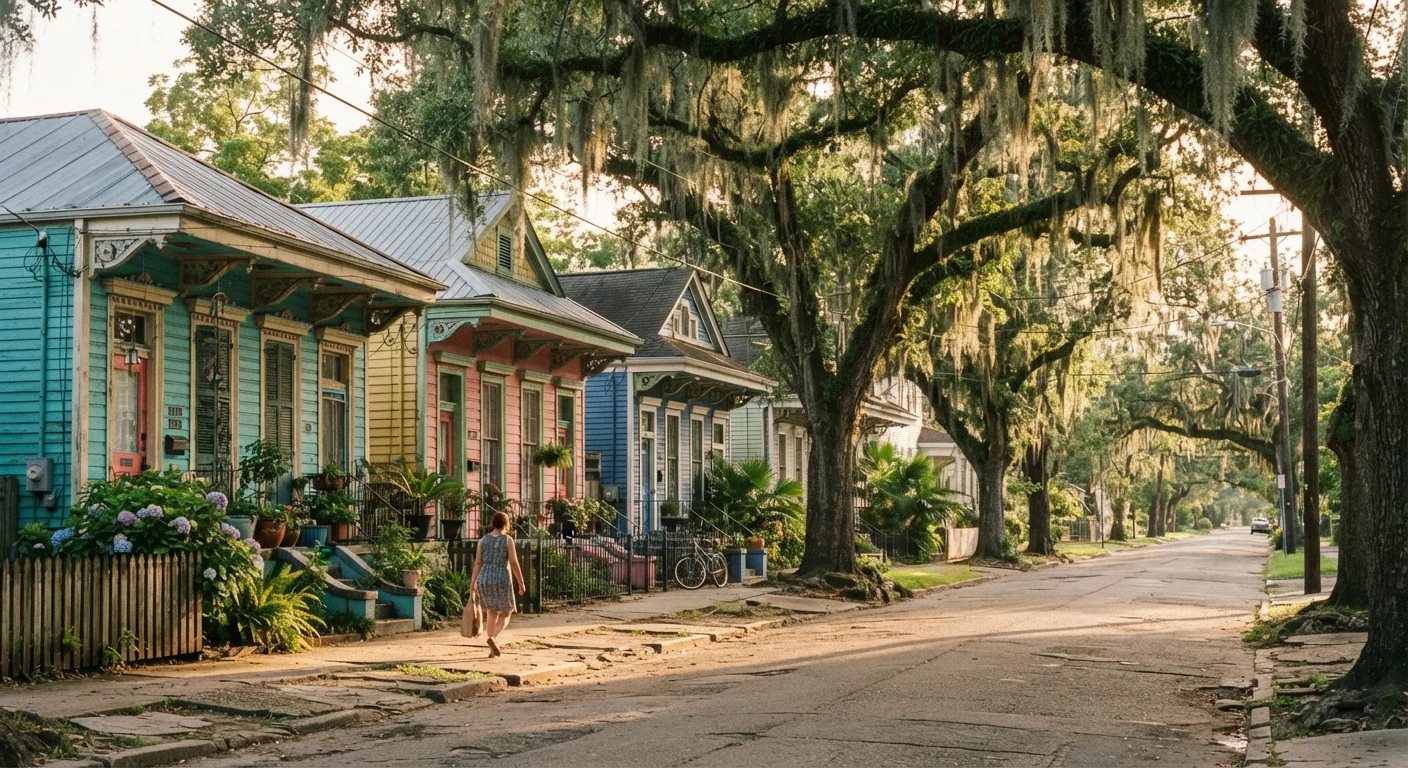
Photo credit: SyndicateExpert.com | Information At The Ready
In this article
Treme, Bywater, and the Garden District reveal a New Orleans that most visitors never see. A neighborhood-by-neighborhood guide to the real city.
Why the Neighborhoods Matter More Than the Quarter
The French Quarter is iconic, but seasoned travelers know it represents only a sliver of New Orleans' identity. The city's true character lives in its residential neighborhoods — in the second-line parades rolling down Treme side streets, the art studios of Bywater, and the antebellum mansions of the Garden District. Understanding these distinct enclaves is the difference between visiting New Orleans and actually experiencing it.
| City founded | 1718 by French colonists (Louisiana Office of Cultural Development) |
| Number of distinct neighborhoods | Over 70 recognized neighborhoods (City of New Orleans neighborhood planning maps) |
| French Quarter size | Approximately 0.6 square miles (New Orleans City Planning Commission) |
| City Park acreage | 1,300+ acres (City Park New Orleans) |
| Hurricane season | June 1 – November 30 (NOAA National Hurricane Center) |
| Average annual rainfall | Approximately 62 inches (NOAA Climate Data) |
Each neighborhood carries its own history, demographic story, and architectural DNA. Dipping into more than one transforms a trip from a Bourbon Street bar crawl into something genuinely memorable. If you're considering a longer stay or even a relocation, exploring neighborhoods first is essential — much like the process of building a social life from scratch after arriving somewhere new.
Treme: America's Oldest African American Neighborhood
Just north of the French Quarter, Treme (pronounced truh-MAY) is widely considered the birthplace of jazz and a cornerstone of African American cultural history in the United States. Free people of color gathered here at Congo Square long before the Civil War, creating musical and social traditions that reshaped American culture. Today, the neighborhood remains a living hub of that heritage — Mardi Gras Indian tribes practice here, and brass band funerals still wind through its streets.
Visitors should seek out the Backstreet Cultural Museum, which documents Mardi Gras Indian traditions, Social Aid and Pleasure Clubs, and jazz funerals with genuine depth. St. Augustine Church, one of the oldest African American Catholic parishes in the country, anchors the neighborhood spiritually. Walk through on a weekend afternoon and you're likely to hear live music drifting from a porch — no cover charge required.
Bywater: Creole Cottages and Creative Energy
Downriver from the French Quarter, Bywater draws artists, musicians, and independent thinkers into a grid of Creole cottages and double-shotgun homes painted in candy-bright colors. The neighborhood has a bohemian energy that feels earned rather than manufactured. Local galleries, independent coffee shops, and eclectic restaurants line Magazine Street and Royal Street extensions here, reflecting a community that has long prized self-expression.
The Crescent Park riverfront trail offers sweeping views of the Mississippi and a place to understand the city's relationship with its most defining geographic feature. Note that Bywater, like much of New Orleans, sits at or below sea level — flood risk is a real consideration for anyone thinking about living here, and travel timing around hurricane season (June through November) is worth keeping in mind.
Garden District and Uptown: Grandeur on the Garden Side
Across Canal Street from the French Quarter lies Uptown, and within it, the Garden District — a neighborhood of jaw-dropping antebellum mansions built by American merchants in the 19th century. Unlike the Creole architecture of the Quarter, these homes are Greek Revival and Italianate, set back behind wrought-iron fences and surrounded by subtropical gardens. A walking tour along Prytania Street or Coliseum Square reveals architecture that genuinely stops you in your tracks.
Shotgun house
A long, narrow home where rooms are arranged in a straight line from front to back with no hallways. The name reflects the idea that a shotgun blast through the front door would exit the back without hitting a wall. It is the most common residential architectural style in New Orleans.
Creole cottage
A low-slung, four-room house type developed in New Orleans during the late 18th and 19th centuries, often featuring stucco or painted wood siding and set close to the street. It reflects French and Spanish Colonial influences combined with local building adaptations.
Second line
A New Orleans tradition in which a brass band leads a parade and is followed by a 'second line' of community members dancing and waving handkerchiefs or parasols. Second lines are associated with Social Aid and Pleasure Clubs and are a living expression of Treme's cultural heritage.
Mardi Gras Indians
African American communities in New Orleans who create elaborate, hand-sewn beaded and feathered suits to parade on Mardi Gras and other occasions. The tradition honors historical alliances between enslaved Africans and Native American tribes. It is centered in Treme and surrounding neighborhoods.
Social Aid and Pleasure Club
Community organizations in New Orleans, historically rooted in African American mutual aid societies, that provide social support to members and sponsor second-line parades. They are central to the neighborhood civic life of Treme and other areas.
The streetcar line along St. Charles Avenue is the best way to move between the Garden District, Uptown, and the CBD (Central Business District). Tulane and Loyola universities anchor the far Uptown end, giving that stretch a lively, intellectual atmosphere year-round. Magazine Street runs parallel to St. Charles and hosts a dense corridor of independent shops, galleries, and restaurants worth an afternoon.
Mid-City and Tremé Fringe: Where Locals Actually Live
Mid-City is the neighborhood most tourists skip and most locals love. It centers on City Park — one of the largest urban parks in the United States — which contains the New Orleans Museum of Art, the Besthoff Sculpture Garden, and miles of walking and cycling paths beneath ancient live oaks draped in Spanish moss. The park sustained serious damage from Hurricane Katrina in 2005 and its recovery is a testament to community resilience.
Esplanade Avenue, the elegant boulevard separating Treme from the Seventh Ward, gives way here to Creole townhouses and oak canopy that rivals anything in the Garden District. The Saturday farmers market at City Park is a fixture of neighborhood life. Mid-City is where you eat red beans and rice on Monday the way locals have for generations — a tradition tied to washday practicality that stuck as cultural identity.
Travel conditions, neighborhood safety, and local event schedules can change; always verify current information with official tourism resources and local news before your visit.

Author
Travel & Trips Editorial Team
Travel & Trips Editorial Team is the collective byline for our editorial team and contributor network. Articles published under this byline or an editorial pen name are researched, written, and reviewed according to our editorial standards for clarity, consistency, and independence before publication.
View all articles →