
Booking Direct vs. Third-Party Travel Sites: What Changes and What Doesn't
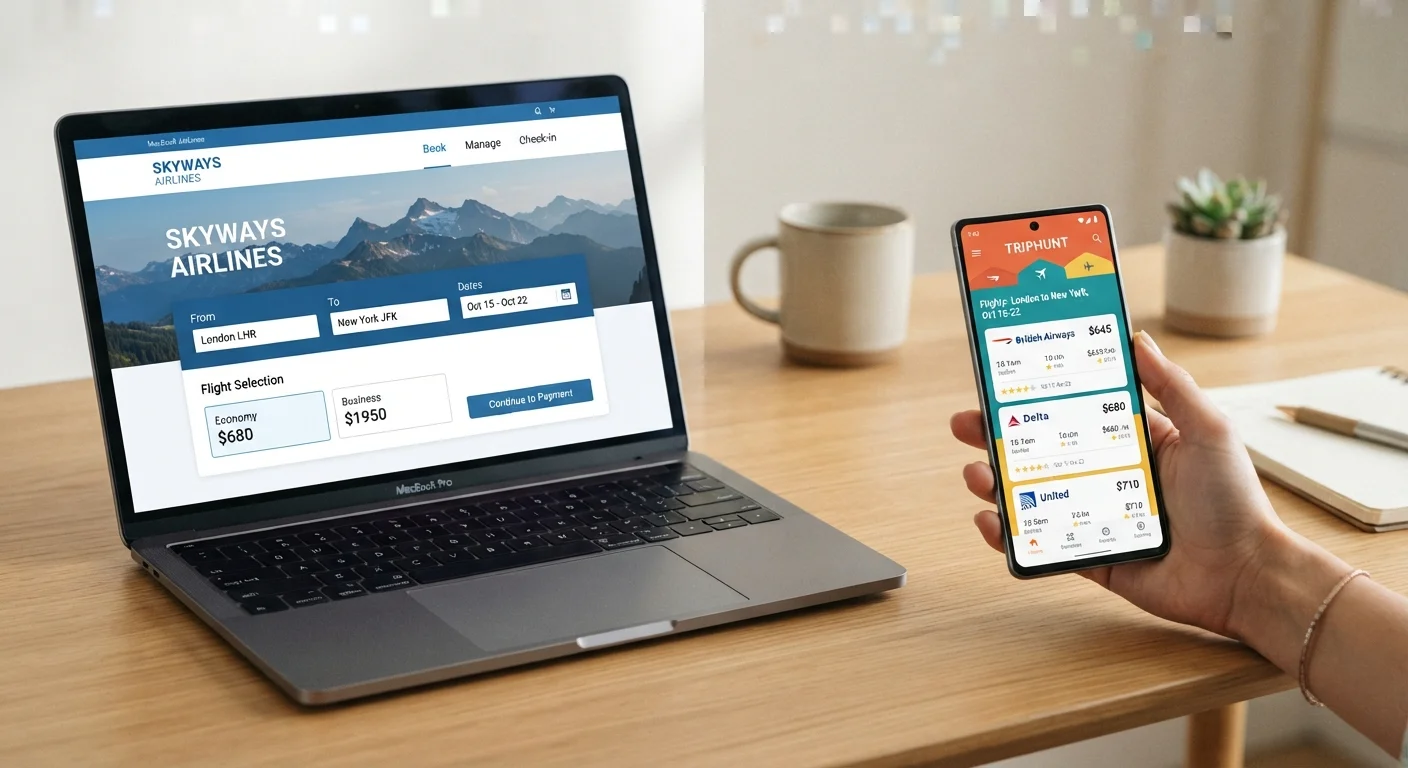
Photo credit: SyndicateExpert.com | Information At The Ready
In this article
Does booking directly with airlines and hotels actually give you an advantage? A clear-eyed look at the real differences that affect your trip.
Key Takeaways
- Booking direct often gives you priority access to customer service when disruptions happen.
- Third-party sites excel at price comparison but may add service fees that erode savings.
- Loyalty points and elite status perks almost always require booking direct to earn fully.
- Refund and cancellation policies can differ significantly depending on where you booked.
- Using third-party sites to research, then booking direct, is a proven hybrid strategy.
The Core Difference: Who Controls Your Reservation
The most consequential difference between booking direct and using a third-party site isn't the upfront price — it's who holds the contract for your reservation. When you book directly with an airline or hotel, your agreement is solely with them. When you book through a third-party platform, that platform becomes the intermediary, and the provider's hands can be tied until the platform acts first.
This matters most when something goes wrong. A flight gets cancelled, a hotel overbooks, a storm rolls in. In those moments, travelers with direct bookings typically reach the airline or hotel customer service line and get rebooking or refund options processed on the spot. Third-party bookers often have to loop in the platform first — and that extra step adds friction at exactly the wrong time.
Before you book anything, it's worth doing your homework. See our pre-trip research checklist to make sure you've covered the essentials before locking in any reservation.
| Criterion | Booking Direct | Third-Party Sites |
|---|---|---|
| Customer service access | Direct line to provider | Platform acts as intermediary |
| Loyalty points earned | Full credit, typically | Partial or none, varies |
| Price competitiveness | Member rates available | Broad comparison view |
| Cancellation clarity | Provider policy applies directly | Platform terms may differ |
| Booking complexity | One brand at a time | Multiple brands in one search |
| Upgrade & perk eligibility | Generally higher | Often reduced |
Price: Where the Myth Meets Reality
Third-party platforms built their reputation on price comparison, and they still deliver on that promise — up to a point. Aggregators pull rates from dozens of suppliers in seconds, making it genuinely easy to spot a lower rack rate. But the final price can look different once platform service fees, payment processing charges, or non-refundable booking conditions are factored in.
Direct rates aren't always higher. Many airlines and hotel groups now offer member rates exclusively through their own sites — often matching or undercutting third-party listings for the same room or seat. If you haven't created a free loyalty account with a brand you use regularly, you may be leaving those discounts on the table.
A smart middle-ground approach: use third-party sites to research and benchmark prices, then check the provider's direct site before confirming. For more on how bundling affects price, our piece on booking flights vs. booking packages breaks down when combining saves money and when it costs flexibility.
Loyalty, Perks, and What Stays the Same
Loyalty programs are one area where direct booking has a clear, structural advantage. Most major airline and hotel programs award full points and elite-qualifying credits only on reservations made through their own channels. Third-party bookings are frequently ineligible for elite status credit and earn reduced — sometimes zero — reward points.
Other perks that tend to follow direct bookings: complimentary upgrades, early check-in requests, room preference notes, and priority boarding. These aren't guaranteed, but they're far more likely to be honored when the property can see a direct reservation associated with your profile.
What stays the same regardless of where you book? The physical product. The flight, the room, the departure gate, the bed size — none of that changes based on your booking channel. What changes is the service layer wrapped around it. Timing your booking well matters too; our guide on how far in advance to book explains the real trade-offs of booking windows for flights and hotels.
Cancellations, Changes, and Reading the Fine Print
Refund and change policies are where third-party bookings carry the most risk for unprepared travelers. Even if an airline offers free cancellation on a ticket, that policy may not automatically transfer when the booking sits in a third-party platform's system. You'll need to initiate the cancellation through the platform — which may have its own non-refundable service fees, regardless of the provider's own policy.
Always read the cancellation terms specific to your booking channel, not just the provider's general policy. They can differ meaningfully. This is especially important for non-refundable hotel rates or basic economy fares where the margin for error is narrow.
Third-party platforms aren't without strengths here — many now offer their own cancellation protection products or price-match guarantees. But these add complexity. Understanding what aggregator sites actually show you — and what they omit — is worth your time before you commit. Our explainer on what booking platforms actually show you covers the gaps these tools tend to leave.
This article is for general informational purposes only. Travel prices, policies, and availability change frequently — always verify terms directly with the provider and review official sources before booking.

Author
Travel & Trips Editorial Team
Travel & Trips Editorial Team is the collective byline for our editorial team and contributor network. Articles published under this byline or an editorial pen name are researched, written, and reviewed according to our editorial standards for clarity, consistency, and independence before publication.
View all articles →