
What Travel Insurance Actually Covers — and What It Doesn't
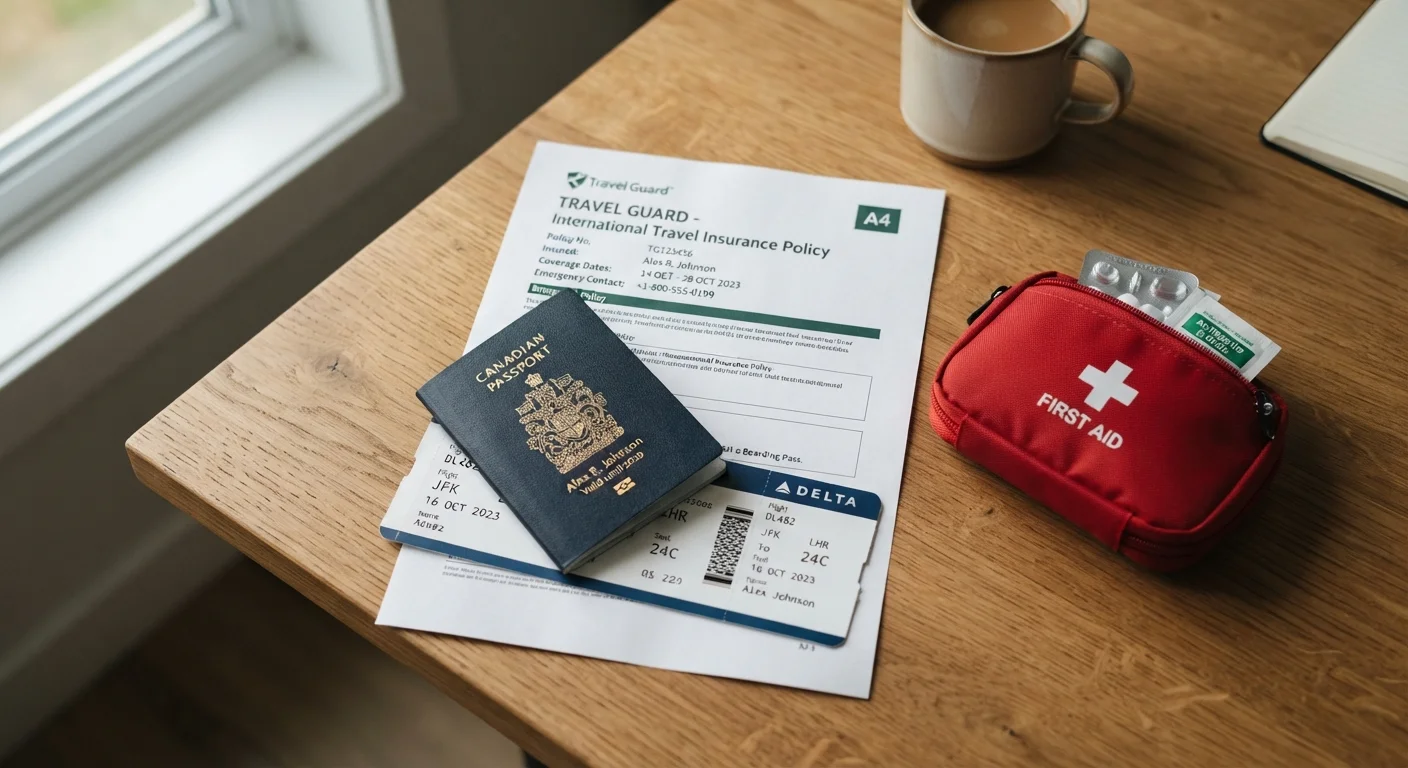
Photo credit: SyndicateExpert.com | Information At The Ready
In this article
Trip cancellation, medical emergencies, lost bags — understand exactly what standard travel insurance policies include before you rely on one.
Key Takeaways
- Trip cancellation coverage reimburses prepaid, non-refundable costs only for specific covered reasons.
- Emergency medical coverage is one of the most valuable benefits, especially for international travel.
- Baggage coverage has per-item limits that are often far lower than the value of your gear.
- Policies exclude predictable events — pre-existing conditions, known weather, and fear of travel.
- "Cancel for Any Reason" upgrades offer broader flexibility but rarely reimburse 100% of costs.
- Always verify current entry requirements and advisories directly with official government sources.
What a Standard Policy Actually Covers
A comprehensive travel insurance plan bundles several distinct protections. Understanding each one separately is the only way to know whether a policy actually fits your trip.
Trip Cancellation and Interruption
This is the coverage most people buy insurance for. Trip cancellation reimburses non-refundable, prepaid costs if you have to cancel before departure for a covered reason. Trip interruption kicks in if something forces you home early. Covered reasons almost always include sudden serious illness or injury, death of a traveler or close family member, a natural disaster making your destination uninhabitable, and jury duty. What it does not cover: second thoughts, a work conflict you could have anticipated, or a sale price you missed.
Emergency Medical and Evacuation
For international travel especially, emergency medical coverage can be the most financially critical benefit in your plan. If you break a leg hiking in Costa Rica or have a cardiac event in Southeast Asia, your US health insurance may cover little or nothing abroad. Travel medical coverage pays for emergency treatment, and medical evacuation coverage handles transport to an appropriate facility — costs that can easily exceed $50,000 without insurance. Always check whether your existing health plan has international benefits before assuming you're covered.
Baggage Loss, Theft, and Delay
Baggage coverage reimburses you when an airline loses your bag outright, or when theft occurs. Baggage delay coverage — a separate benefit — pays for essential items like clothing and toiletries if your checked bag arrives significantly late. Know the limits: most policies set a total baggage cap and a per-item sub-limit. A laptop, camera, or piece of jewelry may be worth far more than what a standard policy will pay out. Documentation matters; you'll need to file a report with the airline or local police before submitting a claim.
Travel Delay
When a covered delay — severe weather, mechanical failure, an airline strike — strands you for a qualifying number of hours, travel delay benefits reimburse reasonable out-of-pocket expenses. Expect coverage for meals and overnight accommodation, up to a daily limit. This benefit will not pay out for minor delays or situations caused by your own actions.
What Travel Insurance Excludes
The exclusions section of a travel policy is where most claim disputes originate. These are the gaps every traveler should know before relying on a policy.
Buy Coverage Soon After Your First Deposit
Purchasing travel insurance shortly after making your initial trip deposit — rather than close to departure — gives you access to pre-existing condition waivers, protects you against events that become foreseeable later, and maximizes your cancellation coverage window. Many CFAR upgrades are only available within the first 10–21 days after booking.
Pre-Existing Medical Conditions
A pre-existing condition is generally defined as any illness, injury, or symptom for which you received diagnosis, treatment, or medication within a set lookback period before purchasing your policy. Standard plans exclude claims arising from these conditions — but many insurers offer a pre-existing condition waiver if you purchase coverage within a specified window (often 14–21 days) of your initial trip deposit. If you have ongoing health concerns, this waiver is worth prioritizing.
Foreseeable Events and Known Risks
Insurance covers the unexpected. If a hurricane has already been named and is tracking toward your destination when you buy a policy, that storm is no longer an unforeseen event — and a claim related to it will likely be denied. The same logic applies to civil unrest or other situations widely reported before your purchase date. This is one reason to buy coverage early. It's equally wise to review your destination's current government travel advisory — which you should always do through official channels — since travel to certain destinations may itself be excluded. See our pre-trip checklist for guidance on verifying entry requirements before you leave.
Fear of Travel and Disinclination
Deciding not to travel because you're nervous about unrest, disease, or unfamiliar conditions is not a covered reason under a standard policy. This is the gap that "Cancel for Any Reason" (CFAR) upgrades are designed to fill. CFAR typically reimburses 50–75% of non-refundable costs and must be purchased within a short window after your initial booking — usually 10–21 days.
High-Value Items and Specific Exclusions
Professional camera equipment, musical instruments, sporting gear, jewelry, and cash often face strict sub-limits or are excluded entirely. If you're traveling with expensive gear, look for a policy that offers a rider or floater for those specific items, or verify whether your homeowner's or renter's insurance covers them in transit. For a broader look at where travel budgets get blindsided, our guide on hidden travel costs is worth a read before you finalize your budget.
How to Read a Policy Before You Buy
The marketing summary card for a travel insurance plan is not the policy. The actual contract — often called a Certificate of Insurance or Description of Coverage — is the document that governs your claim. Here's what to look for before purchasing.
- Covered reasons list: This defines exactly which circumstances trigger cancellation or interruption benefits. The longer and more specific the list, the more useful the policy.
- Coverage limits: Check the total medical limit, the per-incident limit, and the evacuation limit separately. A plan advertising "emergency medical coverage" may cap it at a level that's inadequate for a serious event abroad.
- Lookback period for pre-existing conditions: Shorter is better. Some policies use a 60- or 180-day lookback; others use as few as 60 days.
- Exclusions section: This is where the fine print lives. Read every bullet — it lists what the insurer will not pay regardless of what the summary implies.
- Claims process: Know what documentation you'll need before something goes wrong. Receipts, police reports, airline statements, and medical records are commonly required.
Travel insurance sits alongside a broader set of decisions that informed travelers make before any trip. If you're still building out your pre-departure research process, our plain-language breakdown of travel insurance types goes deeper on when different coverage levels genuinely matter. And just as with auto insurance coverage types, the product is only useful if you understand what you're actually buying before you need it.
This article is for general informational purposes only and does not constitute insurance, legal, or financial advice. Coverage terms, exclusions, and definitions vary by insurer and policy. Always read your Certificate of Insurance carefully and consult your insurer or a licensed insurance professional with questions about your specific situation. For entry requirements, travel advisories, and vaccination guidance, verify current information with official government sources before traveling.
Frequently Asked Questions

Author
Travel & Trips Editorial Team
Travel & Trips Editorial Team is the collective byline for our editorial team and contributor network. Articles published under this byline or an editorial pen name are researched, written, and reviewed according to our editorial standards for clarity, consistency, and independence before publication.
View all articles →