
What Chronic Stress Actually Does to Your Body and Mind
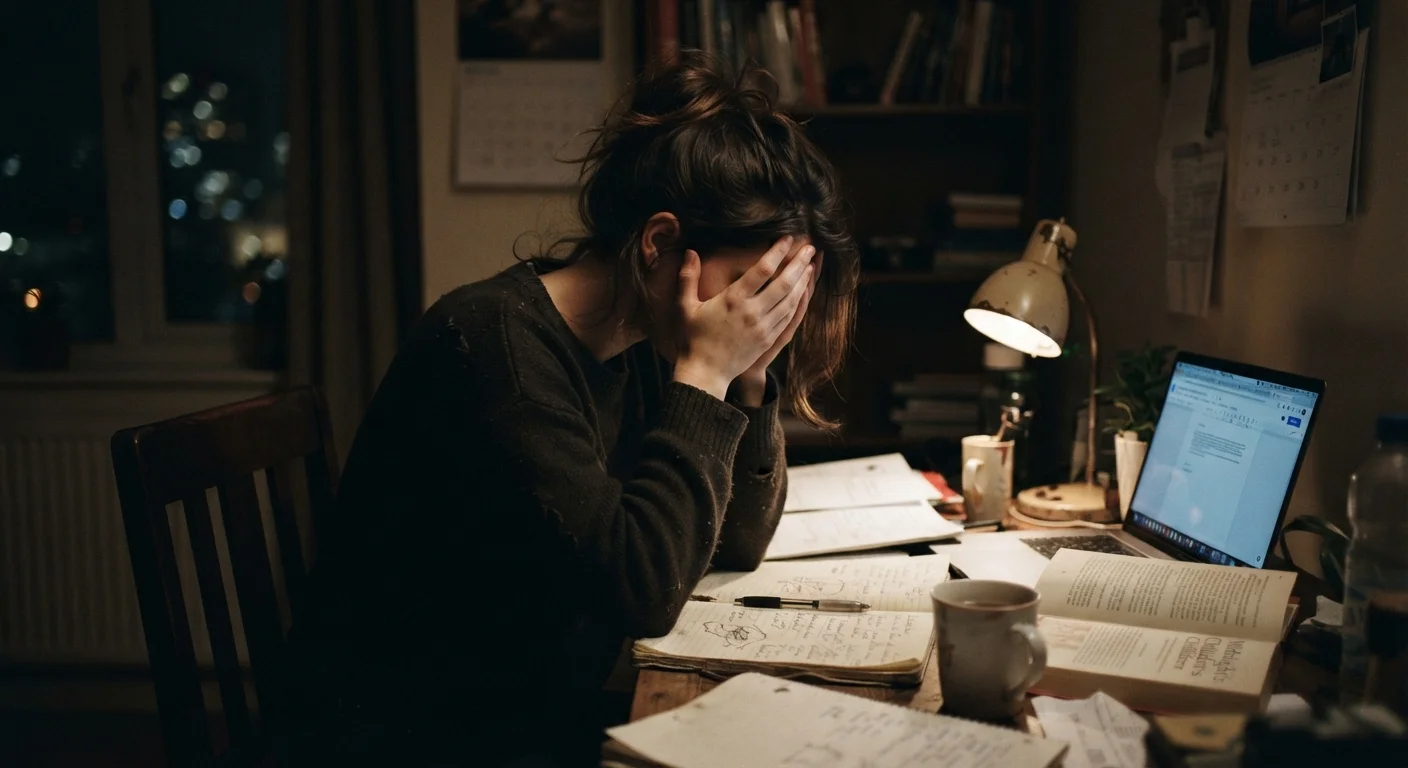
Photo credit: SyndicateExpert.com | Information At The Ready
In this article
Chronic stress isn't just feeling overwhelmed. Learn how prolonged stress affects your brain, hormones, sleep, and long-term health.
Key Takeaways
- Chronic stress keeps your body in a prolonged fight-or-flight state, which is harmful over time.
- Elevated cortisol from chronic stress can impair memory, immunity, sleep, and cardiovascular health.
- Mental health symptoms like anxiety, depression, and difficulty concentrating are common stress consequences.
- Chronic stress is distinct from ordinary stress — the duration and intensity matter for health outcomes.
- Recognizing symptoms early and seeking professional support can meaningfully reduce long-term health risks.
Why Chronic Stress Is Different From Ordinary Pressure
Short-term stress is a normal, even useful, biological response. When you face a deadline or a near-miss on the highway, your body releases adrenaline and cortisol to sharpen focus and mobilize energy. Once the threat passes, your nervous system returns to baseline — and no lasting harm is done.
Chronic stress is fundamentally different. When stressors are persistent — financial insecurity, a demanding job, a difficult relationship, caregiving responsibilities — the body's stress response never fully switches off. The result is a low-grade but continuous state of physiological alert that, over months and years, starts to erode health in measurable ways.
Certain everyday habits can compound this burden without people realizing it. Our article on habits that quietly undermine long-term physical health explores how patterns like disrupted sleep and irregular eating amplify physical strain — many of which are both causes and consequences of chronic stress.
What Happens Inside the Body Under Prolonged Stress
The body's stress-response system — centered on the hypothalamic-pituitary-adrenal (HPA) axis — is designed for short bursts of activation, not extended operation. When it runs continuously, the effects touch nearly every organ system.
77%
Adults who report physical symptoms of stress
According to the American Psychological Association's Stress in America survey, a large majority of adults experience physical symptoms they attribute to stress.
3x
Increased susceptibility to common colds
Research published in peer-reviewed journals has found that people under chronic stress are significantly more likely to develop respiratory infections when exposed to cold viruses.
50%
Of adults reporting stress affects their sleep
Polling by the American Psychological Association consistently finds that roughly half of adults say stress negatively affects their ability to sleep.
- Immune function declines. Cortisol has anti-inflammatory properties in the short term, but chronically elevated levels suppress immune cell activity, making the body more vulnerable to infections and slower to heal.
- Cardiovascular strain increases. Sustained elevated heart rate and blood pressure — both driven by stress hormones — place ongoing demands on the heart and blood vessels, contributing to long-term cardiovascular risk.
- Digestion is disrupted. The gut and brain are closely connected. Chronic stress can alter gut motility, increase sensitivity to pain, and shift the balance of gut bacteria — contributing to symptoms like nausea, cramping, or irregular bowel habits.
- The hormonal system is thrown off balance. Prolonged cortisol elevation can interfere with sex hormones, thyroid function, and insulin regulation — with downstream effects on energy, mood, weight, and reproductive health.
These are not rare or extreme outcomes. They represent the cumulative cost of a system that was never designed to stay switched on indefinitely.
How Chronic Stress Reshapes the Brain and Mind
The psychological effects of chronic stress are just as significant as the physical ones — and the two are deeply intertwined. The brain is a stress-sensitive organ, and sustained cortisol exposure affects its structure and chemistry in several ways.
Research indicates that the hippocampus — a region critical for memory formation and emotional regulation — is particularly vulnerable to chronic stress. Prolonged elevated cortisol has been associated with reduced hippocampal volume, which can impair memory consolidation and the ability to distinguish genuine threats from neutral situations. The prefrontal cortex, which governs decision-making and impulse control, also shows reduced activity under chronic stress, while the amygdala — the brain's threat-detection center — becomes more reactive.
At the level of lived experience, this can manifest as:
- Difficulty concentrating or making decisions
- Irritability and emotional volatility
- Persistent low mood or feelings of hopelessness
- Heightened anxiety or a sense that something bad is always about to happen
Chronic stress is also a well-established contributor to clinical depression and anxiety disorders — though it is important to distinguish stress from these conditions. Our guide to stress versus anxiety outlines the key differences and why they matter for finding the right support.
The Sleep-Stress Cycle — and Why It's So Hard to Break
One of the most damaging feedback loops created by chronic stress involves sleep. Stress makes sleep harder to achieve — a racing mind, muscle tension, and elevated cortisol all interfere with the body's ability to wind down. But poor sleep also amplifies stress reactivity, impairs emotional regulation, and increases cortisol levels the following day.
The result is a cycle that can be difficult to interrupt without deliberate attention. People who are chronically stressed often report waking frequently, lying awake with worries, or feeling unrefreshed even after adequate hours in bed. Over time, this sleep disruption compounds every other stress-related health effect: immune function drops further, mood worsens, and cognitive performance declines.
Understanding the two-way relationship between rest and emotional health is essential. Our in-depth look at sleep and mental health explains the science of this bidirectional connection in practical terms.
This article is for general informational and educational purposes only and does not constitute medical advice. If you are experiencing symptoms of chronic stress or related health concerns, please consult a qualified healthcare provider.
Frequently Asked Questions

Author
Health & Wellness Editorial Team
Health & Wellness Editorial Team is the collective byline for our editorial team and contributor network. Articles published under this byline or an editorial pen name are researched, written, and reviewed according to our editorial standards for clarity, consistency, and independence before publication.
View all articles →