
Common Hydration Mistakes That Undermine Athletic Performance
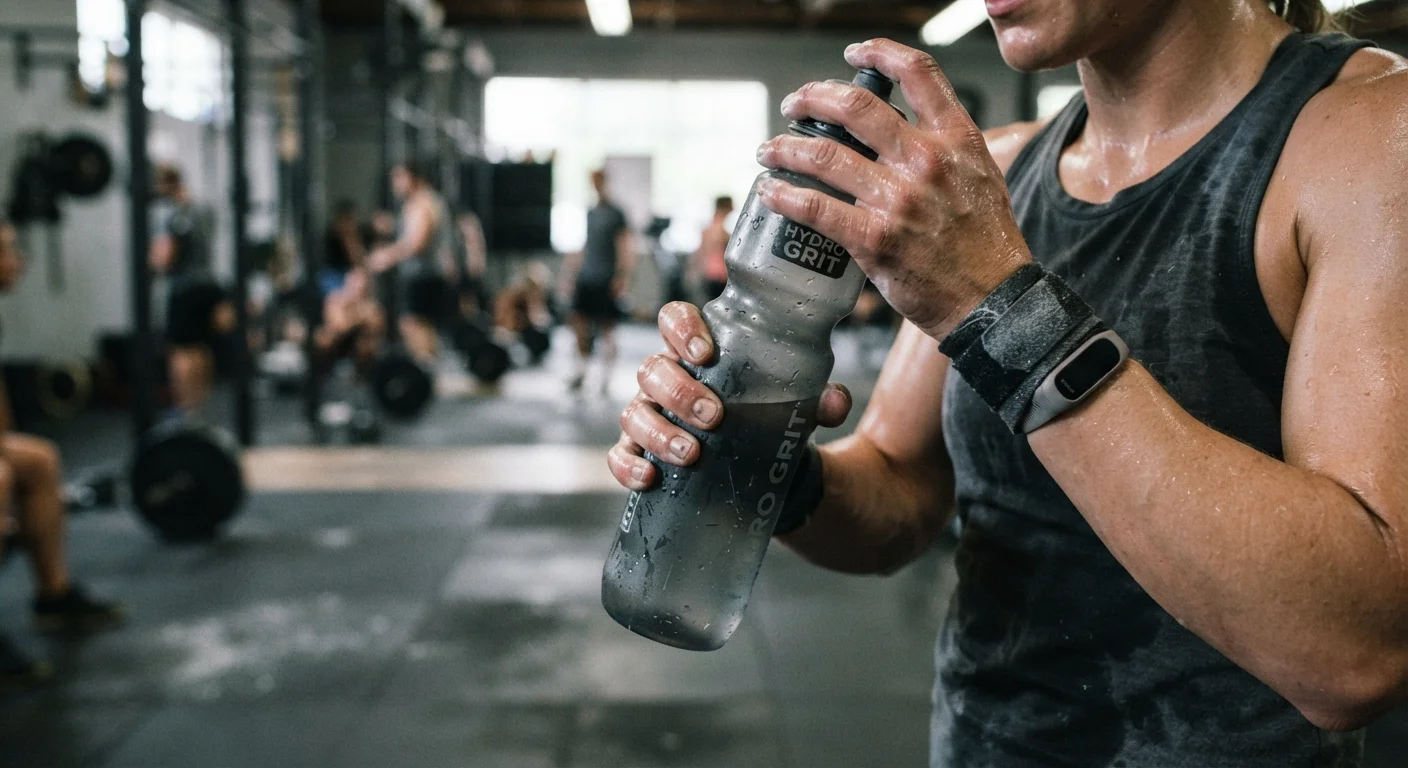
Photo credit: SyndicateExpert.com | Information At The Ready
Drinking enough water is only part of hydration. Discover the habits that quietly impair performance and how to correct them before your next session.
Key Takeaways
- Thirst is a lagging indicator — by the time you feel thirsty, performance may already be affected.
- Electrolyte balance matters as much as fluid volume, especially during prolonged or intense exercise.
- Overhydration (hyponatremia) is a real risk that is often overlooked by endurance athletes.
- Pre-exercise hydration status significantly influences how your body tolerates training stress.
- Caffeinated drinks, alcohol, and heat exposure all increase fluid requirements in ways many athletes underestimate.
Why Hydration Strategy Matters More Than Volume Alone
Most athletes understand that staying hydrated supports performance. What fewer appreciate is that how you hydrate — the timing, composition, and quantity — can be just as consequential as how much you drink. Research consistently links even mild dehydration (a fluid deficit of roughly 2% of body weight) to measurable declines in endurance, reaction time, and thermoregulation. Yet many common hydration habits actively work against performance rather than supporting it.
The mistakes outlined below are not rare edge cases. They show up regularly among recreational athletes and serious competitors alike. Understanding why they happen — and how to correct them — is a practical step toward more consistent, higher-quality training. For a broader look at habits that quietly affect physical health, see everyday patterns that undermine long-term health.
Relying solely on thirst to gauge hydration needs during exercise.
Why it happens: Thirst feels like a reliable signal, and under low-intensity or cool conditions it roughly tracks fluid needs. During vigorous exercise, however, thirst perception lags significantly behind actual fluid losses.
Drinking plain water during prolonged sessions without replacing electrolytes.
Why it happens: Water is universally associated with hydration, so it is the default choice. Athletes often underestimate how much sodium and potassium are lost through sweat, particularly during sessions exceeding an hour or performed in heat.
Overhydrating in an attempt to stay ahead of dehydration.
Why it happens: Well-intentioned messaging around hydration sometimes leads athletes to drink excessive volumes, especially during endurance events. The belief that more fluid is always better is common but inaccurate.
Ignoring pre-exercise hydration and trying to catch up during the session.
Why it happens: Many athletes focus on in-workout nutrition but overlook the hours before training. Arriving dehydrated — perhaps after a night of poor sleep, alcohol consumption, or insufficient fluid intake — creates a deficit that is difficult to reverse mid-session.
Underestimating how caffeine, alcohol, and environmental heat increase fluid requirements.
Why it happens: These factors each have a dehydrating or fluid-demand-increasing effect that athletes frequently discount. Caffeine in moderate doses has a mild diuretic effect; alcohol suppresses the hormone that signals the kidneys to retain fluid; heat dramatically increases sweat rate.
Putting It Into Practice
Correcting hydration habits does not require a rigid protocol, but it does benefit from intentionality. A useful starting framework: arrive at each session with urine that is pale yellow — a reasonable proxy for adequate baseline hydration. Drink modest, regular amounts during exercise rather than waiting for thirst signals or gulping large volumes at once. After training, account for sweat losses by consuming fluids alongside a sodium-containing meal or snack.
~2%
Body weight fluid deficit linked to performance decline
Sports science literature broadly identifies a fluid deficit of approximately 2% of body weight as the threshold at which measurable impairments in endurance and cognitive function begin to emerge.
45–75%
Variation in sweat rate between individuals
Sweat rates vary considerably based on genetics, fitness level, heat acclimatization, and exercise intensity, underscoring why blanket fluid intake recommendations may not apply to every athlete.
Context also matters. Exercise intensity affects fluid and electrolyte needs significantly — understanding the physiological demands of different workout types, as explained in our overview of aerobic vs. anaerobic exercise, can help you calibrate accordingly. Recovery also extends beyond the gym: adequate hydration supports the cellular repair processes that occur during sleep, which is examined in depth in our article on sleep and physical recovery.
This article is for general informational and educational purposes only and does not constitute medical or nutritional advice. Individual hydration needs vary based on health status, medications, environment, and other factors. Consult a qualified healthcare or sports nutrition professional for guidance tailored to your specific circumstances.

Author
Health & Wellness Editorial Team
Health & Wellness Editorial Team is the collective byline for our editorial team and contributor network. Articles published under this byline or an editorial pen name are researched, written, and reviewed according to our editorial standards for clarity, consistency, and independence before publication.
View all articles →