
Strength Training from the Ground Up
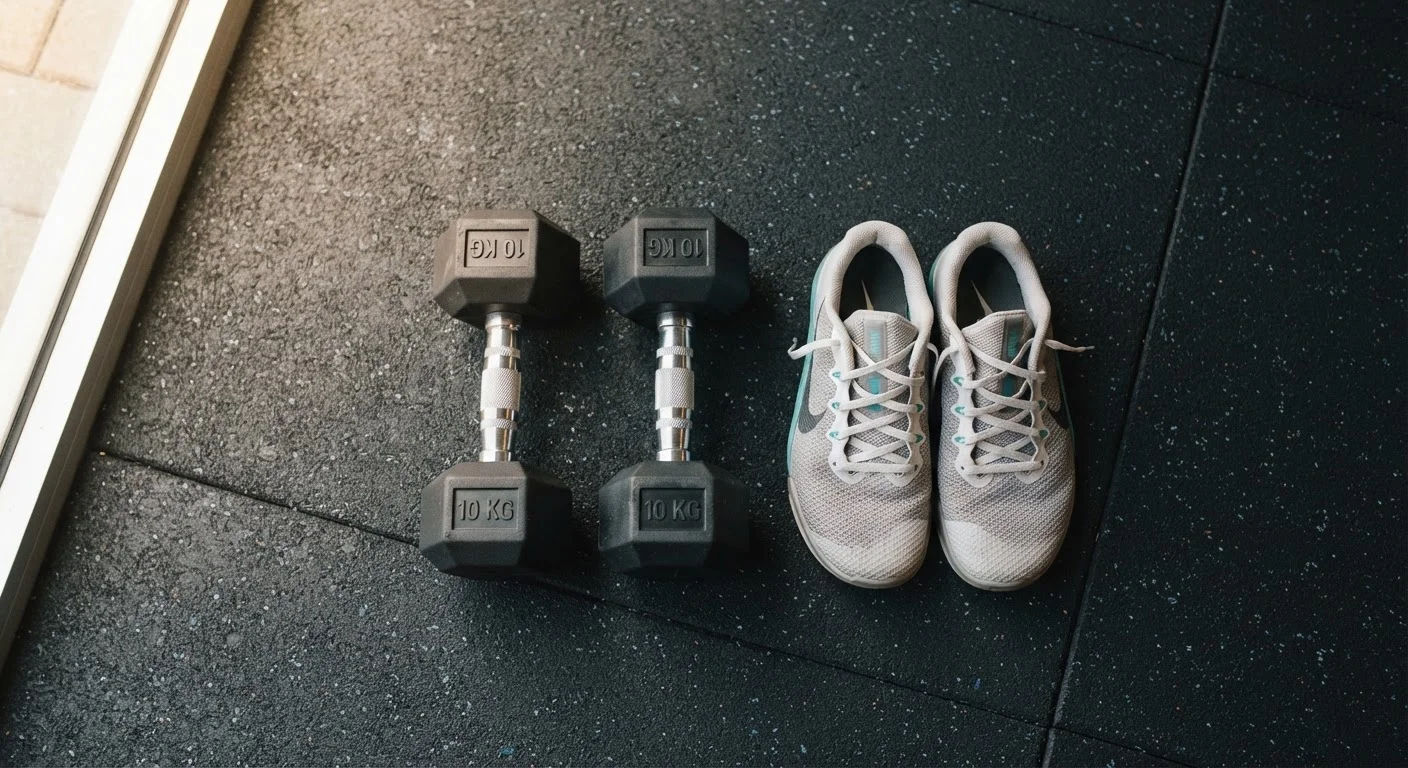
Photo credit: SyndicateExpert.com | Information At The Ready
In this article
New to lifting weights? This guide covers the core principles, basic movements, and safety habits every beginner needs before stepping into the gym.
Key Takeaways
- Strength training benefits adults of all ages, not just athletes or bodybuilders.
- Progressive overload — gradually increasing challenge over time — is the engine of long-term progress.
- Mastering a small set of foundational movements is more valuable than chasing variety early on.
- Proper form reduces injury risk and makes every rep more effective.
- Recovery time between sessions is when muscles actually grow and adapt.
- Nutrition and sleep are essential partners to any strength training program.
Why Strength Training Matters
Strength training — also called resistance training — is the practice of working your muscles against an opposing force, whether that's a dumbbell, a barbell, a resistance band, or your own bodyweight. For decades it was largely associated with athletes and bodybuilders, but the evidence base has expanded considerably. Major health organizations now recognize regular resistance training as a cornerstone of overall health for adults at every age and fitness level.
The benefits go well beyond aesthetics. Research links consistent strength training to improved bone density, better metabolic health, reduced risk of injury in daily life, and enhanced cardiovascular markers. It also plays a meaningful role in mental wellness — studies suggest resistance exercise can reduce symptoms of anxiety and depression. If you're building out a broader health routine, our guide on building a personal mental wellness routine explores how physical and psychological habits complement each other.
Starting from zero can feel intimidating, but the learning curve is shorter than most people expect. What matters is building on the right foundation — and that's exactly what this guide is for.
Core Principles Every Beginner Should Know
Before you touch a weight, understanding a few foundational concepts will save you months of frustration and reduce injury risk significantly.
Progressive overload
The practice of gradually increasing the demands placed on your muscles over time — through heavier weight, more reps, or less rest — so your body continues to adapt and grow stronger.
Sets and reps
A rep (repetition) is one complete execution of an exercise. A set is a group of consecutive reps performed without stopping to rest. Three sets of ten reps is a common beginner prescription.
Compound exercise
An exercise that works multiple muscle groups and joints at once, such as a squat or deadlift. Compound movements are highly efficient and form the backbone of most effective programs.
Range of motion
The full arc of movement a joint travels through during an exercise. Training through a complete, controlled range of motion generally produces better strength and flexibility outcomes.
Rest interval
The time you pause between sets to allow partial muscular recovery. Beginners typically benefit from 60 to 120 seconds of rest between sets of moderate-intensity exercises.
Posterior chain
The group of muscles running along the back of the body — including the glutes, hamstrings, and lower back. Strengthening the posterior chain supports posture, athletic performance, and lower back health.
Progressive overload is the most important principle in strength training. Your body adapts to the demands placed on it — so to keep getting stronger, those demands must increase over time. This doesn't always mean lifting heavier; it can mean adding more reps, slowing down the movement, reducing rest time, or increasing training frequency.
Recovery is not optional. Muscles don't grow during a workout — they grow during the rest that follows. Skipping recovery days or sleeping poorly undermines the entire process. Aim for seven to nine hours of sleep per night, and build genuine rest into your weekly schedule.
Nutrition supports the work. Protein provides the building blocks for muscle repair. Carbohydrates fuel your sessions. Fats support hormonal health. None of these needs to be tracked obsessively as a beginner, but ensuring you're eating enough — especially protein — matters. For an approachable starting point, see our overview on getting started with healthier eating.
The Foundational Movement Patterns
Effective strength training programs are built around a small number of movement patterns, not a long list of isolated exercises. Mastering these patterns teaches your body to move well under load — which transfers to real-world function and athletic performance alike.
- Squat: Bending at the hips and knees to lower and raise your body. Goblet squats and bodyweight squats are excellent starting points.
- Hinge: Loading the posterior chain by bending at the hips while keeping the spine neutral. Deadlifts and Romanian deadlifts are the most common examples.
- Push: Moving a load away from your body, horizontally (push-up, bench press) or vertically (overhead press).
- Pull: Drawing a load toward your body — rows, lat pulldowns, and eventually pull-ups.
- Carry: Moving while holding weight, such as a farmer's carry. Often overlooked, carries build grip strength, core stability, and real-world function.
If you're deciding whether to train at home or in a gym, our balanced comparison — weighing up home workouts against gym training — can help you choose what fits your life and goals.
Safety, Form, and Knowing Your Limits
Start Light, Learn the Pattern First
Many beginners underestimate how much skill is involved in basic movements like a deadlift or overhead press. Using a lighter load than you think you need in your first two to four weeks isn't a waste of time — it's an investment in movement quality that pays off for years. Once your form is reliable, adding weight becomes straightforward and safe.
The most common beginner mistake isn't choosing the wrong program — it's loading too much weight before movement quality is established. Good form is not a prerequisite you satisfy once; it's something you actively maintain through every set, every session.
A few practical rules to start with:
- Learn the pattern before adding load. Spend your first sessions practicing movements with bodyweight or very light weight. Film yourself from the side to check your alignment against reliable instructional resources.
- Use a weight you can control through the full range of motion. If you're compensating, twisting, or rushing to complete a rep, the weight is too heavy for where you are right now.
- Warm up before every session. Five to ten minutes of light cardio and dynamic movement — leg swings, arm circles, bodyweight squats — prepares joints and raises muscle temperature.
- Stop if something hurts. Muscle fatigue and mild discomfort during effort are normal. Sharp, joint-centered, or asymmetrical pain is not. Treat any persistent pain as a signal to consult a healthcare provider before continuing.
If you're returning to training after a significant break rather than starting fresh, the principles differ in important ways. Our article on returning to exercise after a long break addresses that scenario specifically.
This article is for general informational purposes and is not a substitute for advice from a qualified healthcare or fitness professional. If you have any health conditions or concerns, consult a provider before beginning a new exercise program.
Building Your First Program
A beginner program doesn't need to be complicated. In fact, simplicity is an advantage — it's easier to execute consistently, and consistency is what drives results.
A practical starting structure for most beginners is two to three full-body sessions per week, with at least one rest day between each. Each session might include one squat-pattern exercise, one hinge, one push, and one pull — roughly three sets of eight to twelve reps each. That's a complete, balanced workout.
Increase the challenge only when the current level feels genuinely manageable — not just on one good day, but across multiple sessions. This gradual escalation is progressive overload in practice. If you're unfamiliar with terms like RPE, tempo, or periodization that you'll encounter as you learn more, our fitness terms glossary translates the jargon into plain language.
Once you're training consistently, the next step is organizing those sessions into a sustainable weekly structure. Our guide on building a weekly exercise routine that actually sticks covers how to balance intensity, recovery, and variety so that month one enthusiasm becomes a lasting habit.
Strength training rewards patience. The beginners who make the most meaningful long-term progress are rarely the ones who trained hardest in week one — they're the ones who kept showing up.
Frequently Asked Questions

Author
Health & Wellness Editorial Team
Health & Wellness Editorial Team is the collective byline for our editorial team and contributor network. Articles published under this byline or an editorial pen name are researched, written, and reviewed according to our editorial standards for clarity, consistency, and independence before publication.
View all articles →