
Avalanche vs. Snowball: Two Debt Payoff Strategies, One Real Decision
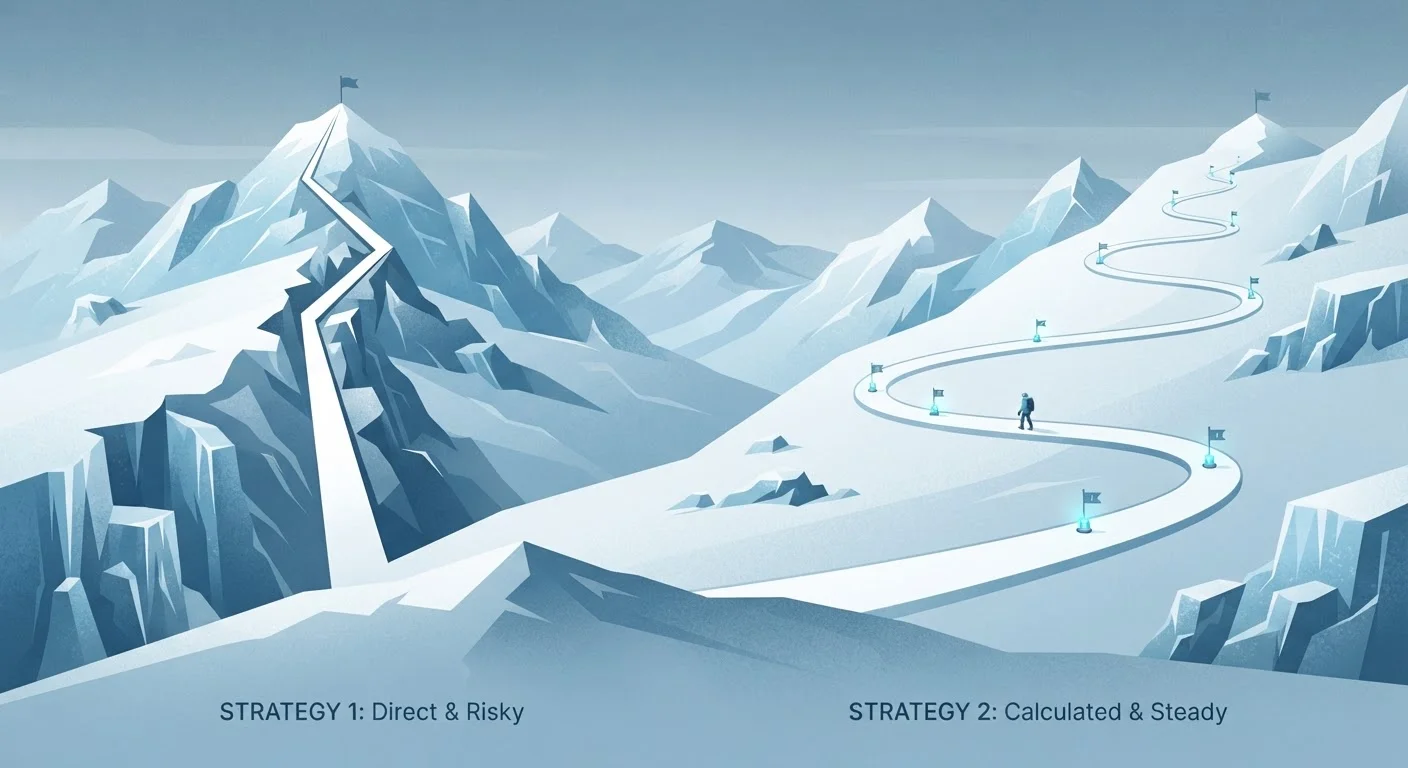
Photo credit: SyndicateExpert.com | Information At The Ready
In this article
The avalanche method saves more on interest; the snowball builds momentum. Understanding the tradeoffs helps you pick the path you'll actually stick with.
Key Takeaways
- The avalanche method targets the highest-interest debt first, reducing total interest paid over time.
- The snowball method eliminates the smallest balances first, building motivational momentum.
- Research suggests behavior and consistency often matter more than mathematical optimization alone.
- Hybrid approaches — mixing elements of both — can work for many debt profiles.
- The best strategy is the one you can realistically stick with until all debts are cleared.
How Each Strategy Actually Works
Both the avalanche and snowball methods share the same mechanical foundation: you make minimum payments on all your debts every month, then direct any extra available dollars toward one targeted debt at a time. The difference is entirely in which debt you target.
Avalanche method: You rank all your debts by interest rate, from highest to lowest, and attack the top-rate balance first with every extra dollar. Once that debt is gone, the payment you were making on it rolls down to the next-highest-rate debt, and so on. Because you're neutralizing the most expensive borrowing first, you pay less total interest over the life of your repayment plan — often meaningfully less if you carry high-rate credit card balances.
Snowball method: You rank debts by outstanding balance, smallest to largest, and hammer the smallest one first regardless of its interest rate. Once eliminated, that payment rolls to the next-smallest balance. The logic is behavioral rather than mathematical: crossing debts off your list quickly generates the kind of momentum that keeps people engaged over months or years of repayment.
| Criterion | Avalanche Method | Snowball Method |
|---|---|---|
| Payoff order | Highest interest rate first | Smallest balance first |
| Total interest paid | Lower (mathematically optimal) | Potentially higher |
| Time to first payoff | Slower if top debt is large | Faster — quick early wins |
| Motivational design | Relies on patience and discipline | Built-in momentum via quick wins |
| Best debt profile | High-rate balances dominate | Many small balances to clear |
| Cash flow freed up | Faster reduction in interest costs | Faster reduction in account count |
Neither method requires a debt consolidation product or a change in lenders. If you're weighing whether a consolidation loan might simplify your picture first, see our honest look at consolidation tradeoffs before deciding.
The Numbers Case for Avalanche
In a pure mathematical comparison, the avalanche method wins almost every time. Interest accrues daily on most balances, and the higher the rate, the faster the cost compounds. By directing extra payments toward your highest-rate debt, you shrink that compounding base as quickly as possible.
To put this in concrete terms: suppose you have a $5,000 credit card balance at 22% APR and a $1,500 medical bill at 0% interest. The snowball method would have you clear the medical bill first. But that bill costs you nothing extra while it sits — the credit card balance, left alone, adds roughly $1,100 in interest per year. Prioritizing it with the avalanche approach stops that clock faster.
22%+
Average credit card APR in recent years
Federal Reserve data has shown average credit card interest rates exceeding 20% APR, making high-rate debt particularly costly to carry.
~$6,500
Average U.S. credit card balance per cardholder
Federal Reserve and industry estimates suggest the typical American cardholder carries several thousand dollars in revolving credit card debt.
Higher
Completion rate linked to visible progress milestones
Behavioral research on goal pursuit consistently finds that perceiving progress toward a goal increases the likelihood of follow-through.
The gap between strategies grows wider the longer repayment takes and the higher your rates are. For someone with multiple high-rate credit card balances, the avalanche method can realistically save several hundred to several thousand dollars in total interest, depending on balances and timeline. That said, the math advantage evaporates if you abandon the strategy midway — which is where psychology enters the equation.
The Behavior Case for Snowball
Research in behavioral economics has consistently shown that people are more likely to stay committed to a goal when they experience progress early and often. The snowball method is built on this insight. Eliminating your first small debt — even if it carries a low rate — delivers a genuine psychological reward: one fewer creditor, one fewer monthly payment, a visible step forward.
For many people, this matters enormously. Debt repayment can span years, and motivation that feels solid in month one can fade by month eight. The snowball method's quick wins serve as reinforcement that the system is working, which makes it easier to keep allocating that extra money toward debt rather than absorbing it back into discretionary spending.
This isn't just anecdotal. Academic work on what researchers call the "goal gradient effect" supports the idea that proximity to completing a goal increases effort. Paying off a small debt moves you to 100% completion on that account quickly, which can sustain effort on the larger debts that follow. The best debt payoff plan, in practice, is the one you'll actually finish — and building habits that sustain progress matters as much as choosing the right method on paper.
Choosing — and Combining — Both Approaches
Your debt profile can guide you toward a starting point. If your highest-interest debt also happens to be a relatively small balance, both methods point to the same debt — an easy call. If your highest-rate debt is also your largest balance, the avalanche method could mean months of effort before your first full payoff, which is where honest self-assessment about your motivation becomes important.
A hybrid approach is a legitimate option. Some people start with the snowball to clear one or two small balances, then switch to avalanche once they feel established in the habit. Others use the snowball throughout but make occasional lump-sum extra payments toward a high-rate balance when cash allows. These aren't failures of discipline — they're practical adaptations to real psychology and real cash flow.
If you're also trying to save at the same time you repay debt, the choice of method can affect how quickly you free up cash flow for savings. The avalanche's faster interest reduction can open breathing room sooner. For a fuller framework on splitting dollars between both goals, see how to manage debt while saving simultaneously. And once you have a strategy in place, understanding when to accelerate payoff — and when not to can help you deploy extra cash most effectively.
This article is for general informational and educational purposes only and does not constitute personalized financial advice. Consult a qualified financial professional for guidance specific to your situation.

Author
Personal Finance Editorial Team
Personal Finance Editorial Team is the collective byline for our editorial team and contributor network. Articles published under this byline or an editorial pen name are researched, written, and reviewed according to our editorial standards for clarity, consistency, and independence before publication.
View all articles →