

Personal Finance Editorial Team
Personal Finance Editorial Team is the collective byline for our editorial team and contributor network. Articles published under this byline or an editorial pen name are researched, written, and reviewed according to our editorial standards for clarity, consistency, and independence before publication.

Budgeting Myths That Keep People From Starting
Think budgeting means deprivation or only works for high earners? These common misconceptions may be standing between yo…

Budgeting on an Irregular Income
Freelancers, gig workers, and anyone with a variable paycheck face unique challenges. These strategies help you budget w…

Building a Budget That Doesn't Collapse After Month One
A budget that lasts requires more than good intentions. These proven practices help you build flexibility and consistenc…

Envelope Budgeting in a Digital World
The cash envelope method is decades old, but its core logic still holds up. Learn how it works and how to adapt it for c…

Fixed vs. Variable Expenses: Why the Distinction Changes How You Budget
Understanding the difference between fixed and variable costs is the foundation of any realistic budget. Here's what eac…

Key Budgeting Terms Every American Should Know
From discretionary spending to net income, this quick-reference glossary defines the budgeting vocabulary you'll encount…

Monthly Budget Setup Checklist
Use this step-by-step checklist at the start of each month to set income targets, plan expenses, and catch gaps before t…

Personal Budgeting: A Complete Guide From First Dollar to Long-Term Habit
Everything you need to understand, build, and maintain a personal budget — from choosing a method to adjusting for life …

Saving and Budgeting at the Same Time: How the Two Work Together
Many people treat saving as what's left over after spending. Here's how to integrate savings directly into your budget f…

Spending Categories Most People Leave Out of Their Budget
From annual subscriptions to irregular car costs, these commonly forgotten expense categories are why so many budgets fa…

The 50/30/20 Rule vs. Zero-Based Budgeting: Which Framework Actually Works?
Two of the most popular budgeting frameworks compared side by side — how they differ, who each suits, and what to expect…

The Honest Trade-Offs of Strict Budgeting
A tight budget can accelerate financial goals — but it comes with real downsides. A balanced look at what you gain and w…

Tracking Spending vs. Budgeting: What's the Difference and Do You Need Both?
Spending trackers and budgets serve different purposes. Understanding both helps you decide which to start with and how …

Why Your Budget Keeps Failing - And It's Not Willpower
Most budget breakdowns come down to a handful of structural mistakes. Here's what goes wrong and how to fix the plan, no…

Your First Budget in Seven Steps
Never made a budget before? This plain-language walkthrough covers income, expenses, and how to put a working plan on pa…

Zero-Based Budgeting: Giving Every Dollar a Job Before the Month Begins
Zero-based budgeting assigns every dollar of income a purpose. Learn how this method works and whether it fits your fina…

A Financial Check-In: Reviewing Your Saving and Debt Situation
Use this checklist to audit where you stand—emergency fund coverage, interest rates, debt balances, and whether your cur…

Automating Your Finances: How to Make Saving and Debt Payments Happen Without Thinking About Them
Automation removes the friction from good financial habits. Here's a practical approach to setting up transfers, payment…

Avalanche vs. Snowball: Two Debt Payoff Strategies, One Real Decision
The avalanche method saves more on interest; the snowball builds momentum. Understanding the tradeoffs helps you pick th…

Before You Raid Your Retirement Account to Pay Off Debt
Tapping a 401(k) or IRA to eliminate debt may feel like relief. Understand the tax consequences, penalties, and long-ter…

Building Financial Stability from Zero: A Ground-Up Guide to Saving and Debt
From opening your first savings account to making sense of interest rates, this guide covers the foundational moves for …

Carrying a Balance Isn't Normal: Reframing What Healthy Credit Card Use Looks Like
Many Americans believe carrying a small credit card balance helps their credit score. The reality is more nuanced—and mo…

Debt While Saving: How to Split Your Paycheck Without Feeling Like You're Losing Both Battles
You don't have to choose between eliminating debt and saving money. Learn the logic behind splitting your dollars across…

High-Yield Savings Accounts vs. Money Market Accounts: Where Your Emergency Fund Belongs
Both account types pay more than a standard savings account. The differences in access, insurance, and yield shape which…

Key Personal Finance Terms Every Saver and Borrower Should Know
APR, compound interest, amortization, net worth—this reference covers the terms that come up most in saving and debt con…

Personal Loan for Debt Consolidation: What to Weigh Before You Apply
Consolidating multiple debts into one loan can simplify repayment—but it's not a guaranteed win. Here's an honest look a…

Sinking Funds: The Low-Tech Savings Habit That Prevents Most Financial Emergencies
A sinking fund sets aside small amounts now for predictable future expenses. Learn how this simple practice reduces reli…

Sustaining Progress: Habits That Keep Savers on Track and Debt from Creeping Back
Getting out of debt and building savings is one challenge. Staying there is another. These evidence-informed habits supp…

The Emergency Fund: Why Three Months of Expenses Is Just the Starting Point
The 3-month rule is widely cited, but your ideal emergency fund depends on factors most guides overlook. Here's how to s…

The Hidden Costs of Minimum Payments
Paying the minimum feels manageable, but the math behind it is stark. See how long-term minimum payments extend debt and…

What a Debt-to-Income Ratio Actually Measures-and Why It Follows You Everywhere
Lenders, landlords, and financial plans all reference your DTI. Here's what the number means, how it's calculated, and w…

When Paying Off Debt Faster Actually Makes Sense-and When It Doesn't
Interest rate, loan type, and employer match all factor into whether extra debt payments outperform other uses of spare …

Asset Allocation Across Life Stages: How Investment Priorities Shift
The right mix of stocks, bonds, and other assets isn't fixed—it evolves with age, goals, and circumstances. Here's a fra…

Diversification: Why Spreading Risk Is Central to Long-Term Investing
Diversification reduces the impact of any single loss on your portfolio. This explainer covers what it means, how it wor…
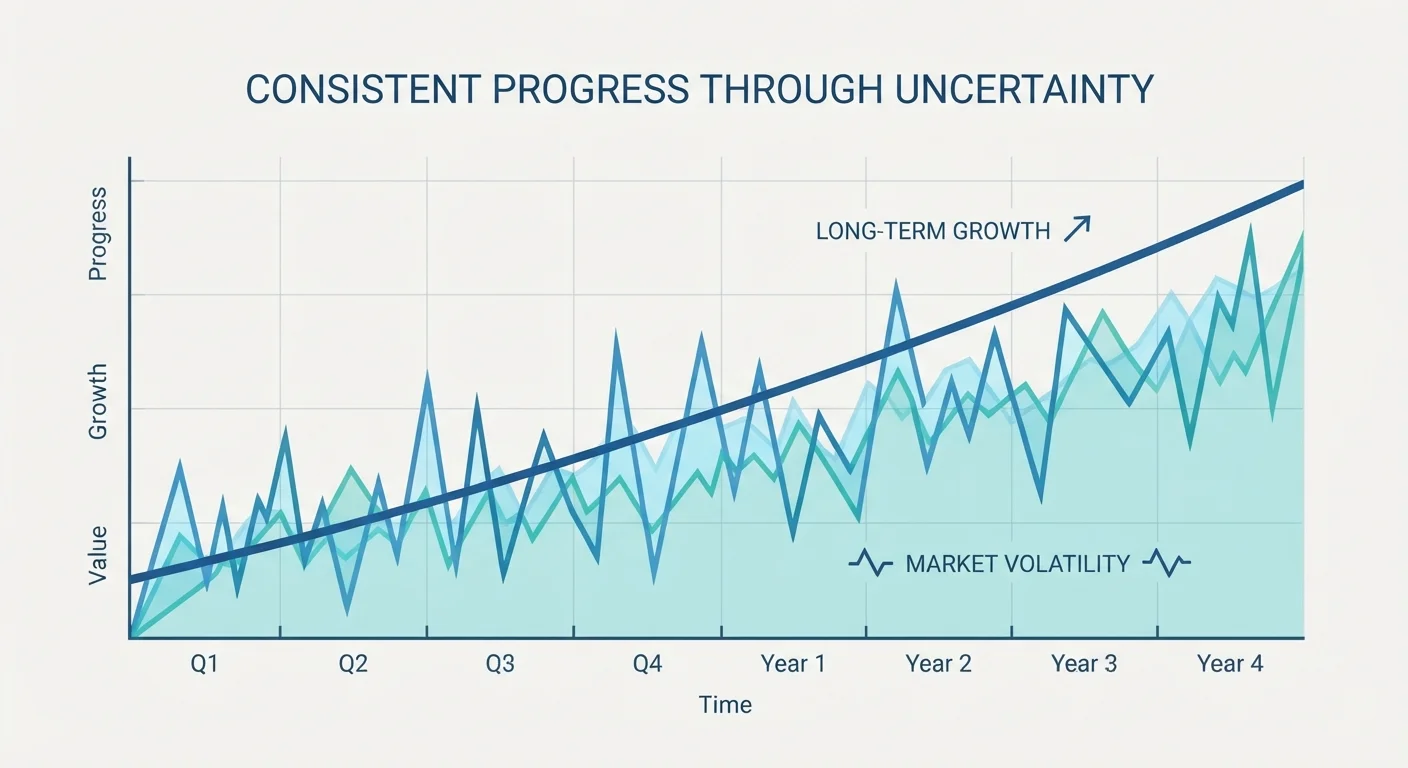
Dollar-Cost Averaging: Investing Steadily Through Market Ups and Downs
Dollar-cost averaging is a disciplined strategy for investing regular amounts regardless of market conditions. Learn how…
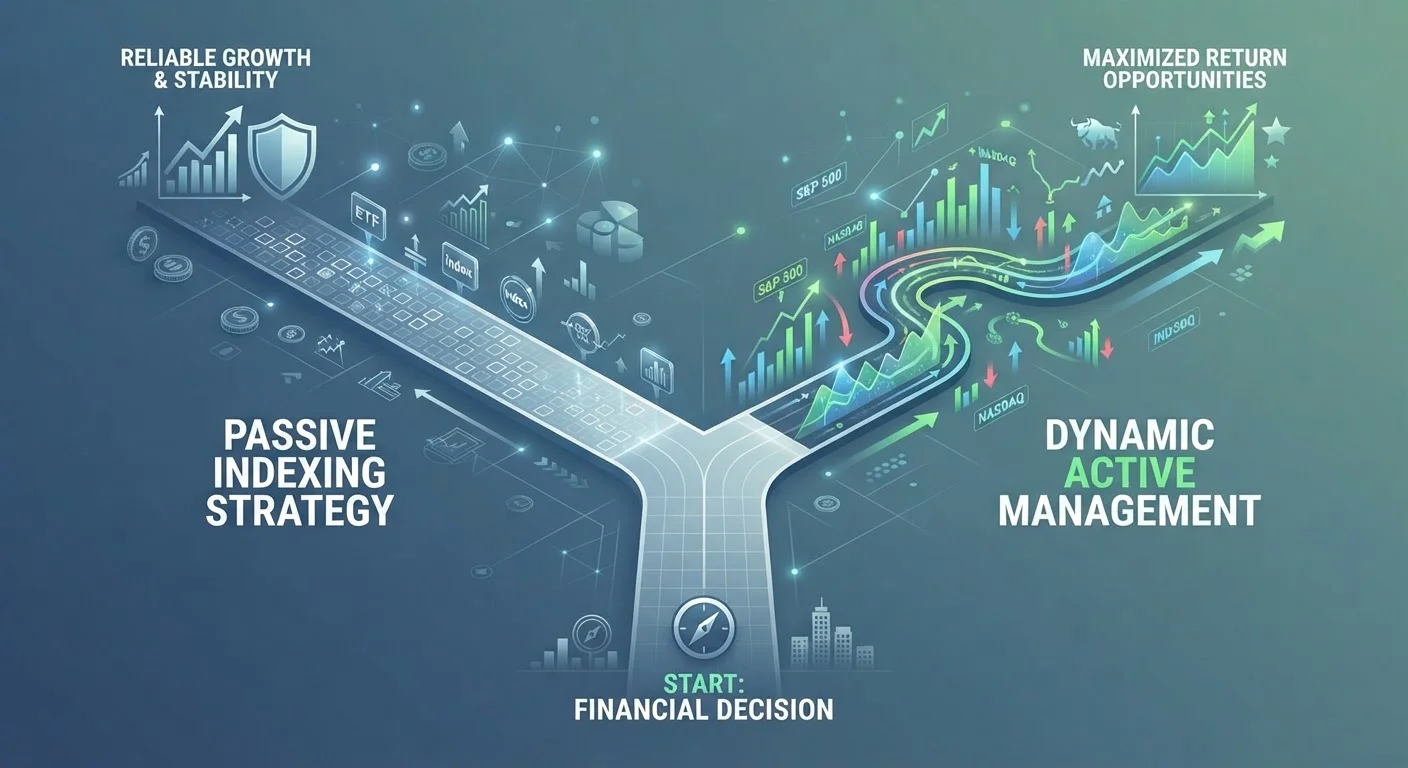
Index Funds vs. Actively Managed Funds: What the Evidence Says
A clear-eyed look at how passive index funds and actively managed funds differ in cost, risk, and long-term performance …

Investing From Zero: A Practical Starting Point for Complete Beginners
Never invested before? This guide walks through the foundational concepts, account types, and first steps to begin build…

Investing Jargon Decoded: A Plain-Language Reference for New Investors
From 'expense ratio' to 'rebalancing' to 'bear market'—a concise reference guide to the terms you'll encounter when lear…

Investing Myths That Keep Everyday Americans on the Sidelines
From 'you need a lot of money' to 'the stock market is just gambling'—common investing myths debunked with accurate, evi…

Risk Tolerance Explained: Knowing How Much Volatility You Can Handle
Risk tolerance isn't just a quiz result—it shapes every investment decision. Learn what it means, what influences it, an…

Stocks, Bonds, and Cash: Understanding the Core Asset Classes
Learn what stocks, bonds, and cash equivalents are, how each behaves, and why most investment portfolios are built from …

Tax-Advantaged Accounts Compared: 401(k), IRA, HSA, and 529
Each tax-advantaged account serves a different purpose. Here's how 401(k)s, IRAs, HSAs, and 529s differ in rules, limits…

The Case for and Against Investing in Individual Stocks
Picking single stocks offers potential upside but carries real risks. A balanced look at what individual stock investing…

The Real Costs Hidden Inside Investment Accounts
Expense ratios, trading commissions, and fund fees quietly reduce returns. Here's how to identify and understand the cha…

Traditional IRA vs. Roth IRA: Choosing the Right Tax Advantage
Traditional and Roth IRAs both offer tax benefits—but they work in opposite directions. Understand the difference before…

What Compound Interest Actually Does to Your Money Over Time
Compound interest is the engine behind long-term wealth. Here's a plain-language explanation of how it works and why sta…

Why Time in the Market Tends to Matter More Than Timing the Market
Predicting market peaks and troughs is notoriously difficult. This piece explains why consistent, long-term participatio…

Your First Investment Account: What to Know Before You Open One
A practical checklist of what to understand, gather, and consider before opening a brokerage or retirement account for t…