
Envelope Budgeting in a Digital World
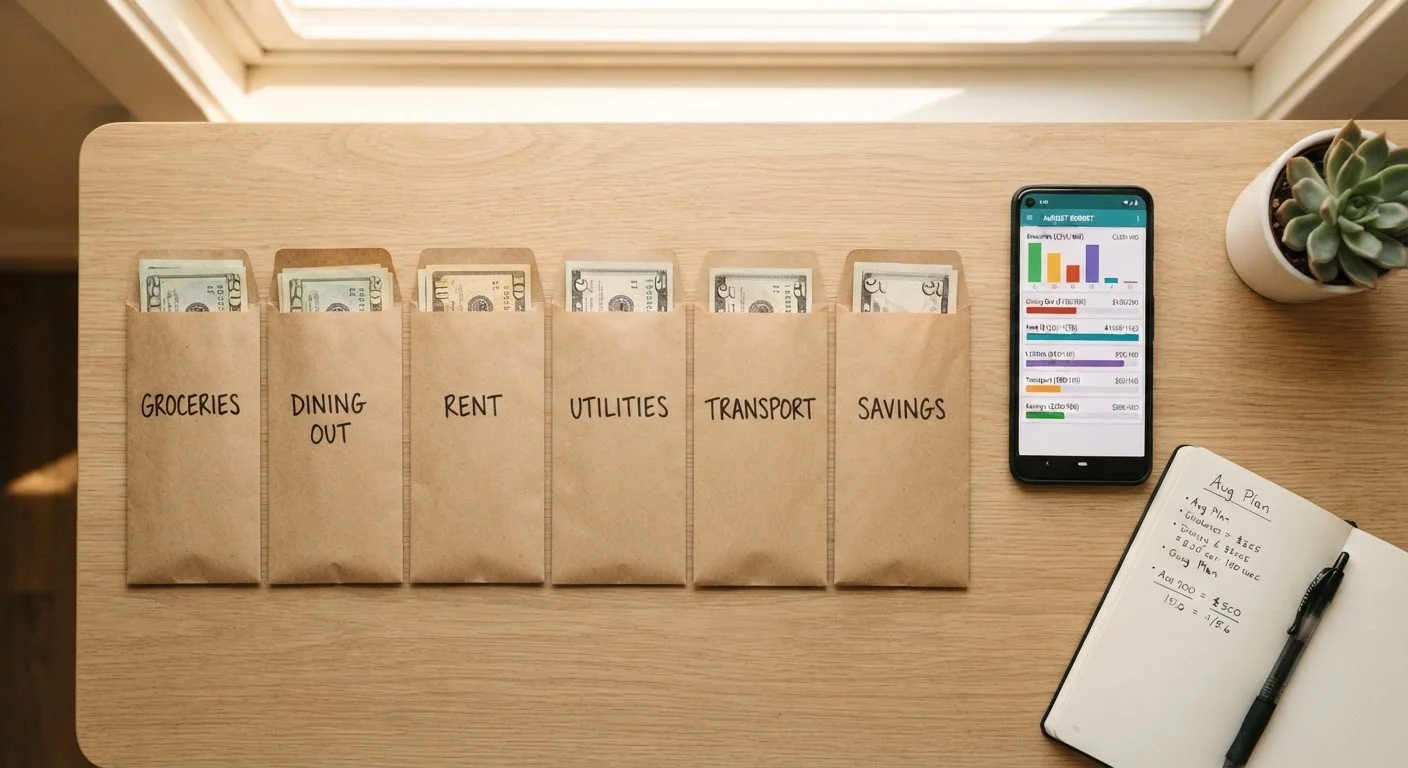
Photo credit: SyndicateExpert.com | Information At The Ready
In this article
The cash envelope method is decades old, but its core logic still holds up. Learn how it works and how to adapt it for cashless spending.
Key Takeaways
- Envelope budgeting assigns pre-set spending limits to specific categories before the month begins.
- The core logic — spend only what's in the envelope — works whether you use cash or a digital app.
- Physical cash envelopes create tactile friction that often reduces impulsive overspending.
- Digital envelope tools replicate the same structure for people who rarely use cash.
- The method works best for discretionary categories like groceries, dining, and entertainment.
- Running out of funds mid-month is a learning signal, not a system failure.
Where the Idea Comes From
The envelope method predates personal finance apps by generations. In households across mid-20th century America, the weekly paycheck was cashed at the bank and physically sorted into labeled envelopes: rent, groceries, utilities, and so on. When an envelope was empty, spending in that category stopped. Simple, hard-edged, and remarkably effective.
The underlying logic is still sound. Most people don't overspend because they lack income — they overspend because spending is frictionless. A tap of a card or a one-click checkout removes the pause that cash once created. Envelope budgeting reintroduces that pause by design.
For a fuller picture of how this method fits alongside other approaches, the complete guide to personal budgeting covers multiple systems and how to choose between them.
How to Set Up Your Envelopes
Start by identifying your fixed expenses — rent, insurance, loan payments — and setting those aside. Envelope budgeting targets discretionary categories: the spending you actually control month to month. Common envelopes include groceries, dining out, gas, entertainment, clothing, and personal care.
- Calculate your discretionary income. Subtract fixed bills and savings contributions from your take-home pay. Whatever remains is what you have to allocate across envelopes.
- Assign a dollar amount to each category based on past spending or a realistic target — not wishful thinking.
- Fund the envelopes at the start of each pay period, either with cash or by logging the amounts in an app or spreadsheet.
- Track every transaction against the correct envelope as you spend.
- Stop spending when an envelope hits zero — or explicitly choose to transfer from another category.
If you're unsure which spending categories to include, the article on commonly forgotten budget categories is a practical companion.
Start With Just Three Envelopes
If the full system feels overwhelming, begin with only your three biggest discretionary categories — often groceries, dining, and entertainment. Running a simplified version for one month builds the habit and gives you real data to expand from. Complexity can come later; consistency comes first.
Adapting the Method for a Cashless Life
Most Americans now manage spending primarily through debit cards, credit cards, and digital payments. Pulling out physical cash isn't always practical — or safe. The good news is that the envelope concept transfers cleanly to digital tools.
Several budgeting apps are built around this exact framework, letting you create virtual envelopes, fund them with a set amount each month, and automatically deduct purchases as you categorize them. Spreadsheet-based versions work just as well for people who prefer a manual approach.
Credit Cards and Envelope Budgeting
Using a rewards credit card while envelope budgeting requires extra discipline. You must log each credit card purchase against the correct envelope immediately — not when the bill arrives. If you pay the card in full each month and track diligently, it can work. But if tracking slips, the envelope balance becomes meaningless. For those new to the method, starting with debit or cash reduces this risk considerably.
One effective hybrid approach: use cash for one or two categories where overspending is most tempting — often groceries or dining — while tracking everything else digitally. This captures the friction benefit of cash where it matters most without requiring a full cash-only lifestyle.
Envelope budgeting shares significant overlap with zero-based budgeting, which also assigns every dollar a purpose before the month begins. The main difference is emphasis: zero-based budgeting covers every dollar including savings and fixed costs, while the envelope method often focuses specifically on discretionary spending categories.
Common Pitfalls and How to Avoid Them
The envelope system fails most often not because the concept is flawed, but because of setup errors. Here are the patterns worth watching for:
- Setting unrealistic limits. If your grocery envelope is funded at $200 but you consistently spend $380, you haven't identified a target — you've created a fiction. Review actual spending from the past two to three months before setting amounts.
- Forgetting irregular expenses. Annual subscriptions, car registration, seasonal costs, and medical copays all need a home. Consider a dedicated envelope for irregular expenses funded a small amount each month.
- Raiding envelopes without accountability. Transferring funds between envelopes is sometimes necessary, but it should be a conscious decision, not a reflex. Log it and understand what the trade-off cost you.
- Giving up after one difficult month. Most people need two or three months to calibrate their envelope amounts to reality. Early friction is information, not failure.
Building envelope budgeting alongside a savings habit strengthens both practices. The article on integrating saving and budgeting explains how to treat savings as a non-negotiable envelope rather than an afterthought.
This article is for general informational and educational purposes only and does not constitute personalized financial advice. Consult a qualified financial professional for guidance specific to your situation.
Frequently Asked Questions

Author
Personal Finance Editorial Team
Personal Finance Editorial Team is the collective byline for our editorial team and contributor network. Articles published under this byline or an editorial pen name are researched, written, and reviewed according to our editorial standards for clarity, consistency, and independence before publication.
View all articles →