
Spending Categories Most People Leave Out of Their Budget
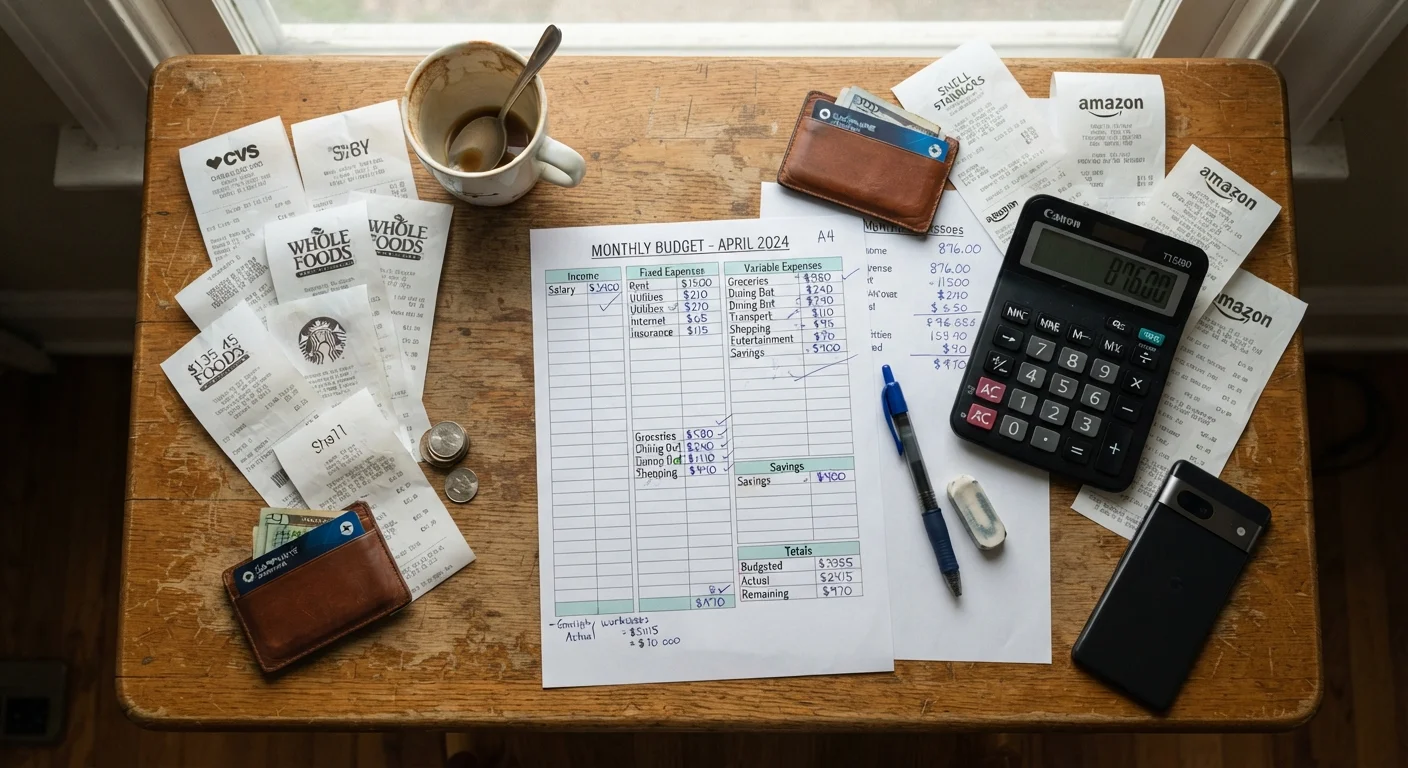
Photo credit: SyndicateExpert.com | Information At The Ready
In this article
From annual subscriptions to irregular car costs, these commonly forgotten expense categories are why so many budgets fall short.
Key Takeaways
- Irregular and annual expenses are the most common reason monthly budgets fall short.
- Categories like pet care, home maintenance, and personal care costs are routinely underestimated or omitted entirely.
- Dividing annual costs by 12 and setting that amount aside monthly is a simple fix for irregular expenses.
- Subscription creep — small recurring charges — can quietly drain hundreds of dollars per year.
- A complete budget accounts for every spending category, not just the obvious monthly bills.
Why the Gaps in Your Budget Are the Real Problem
Most people build a budget by listing what they already think about: rent, utilities, groceries, car payment. The problem isn't those categories — it's everything that doesn't show up on that mental list until it arrives as an unwelcome surprise. An unexpected vet bill, a car registration fee, or a home repair can derail a budget that looked perfectly balanced on paper.
This isn't a willpower problem. It's a planning problem. As our guide to common budget mistakes explains, most budget failures trace back to structural gaps rather than overspending in categories you've already accounted for. The list below covers the expense categories that get left out most often — and what to do about each one.
Annual and semi-annual subscriptions
Many subscriptions bill annually rather than monthly — software licenses, streaming services, professional memberships, cloud storage, and antivirus tools among them. Because they don't appear on a monthly statement, they tend to slip out of the budget entirely until the charge hits.
Take stock of every subscription you pay for, regardless of billing cycle, and convert each to a monthly cost. If you pay $120 per year for a service, your budget should reflect a $10 monthly line. For a full audit of recurring digital charges you may have forgotten, see our guide to auditing app subscriptions.
Annual subscriptions don't appear on monthly statements — they disappear from budgets and reappear as surprises.
Vehicle costs beyond the car payment
The car payment is easy to budget — it's the same number every month. What gets missed are the supporting costs: registration fees (often due once a year), oil changes, tires, inspection fees, and unexpected repairs. These costs vary by vehicle, age, and mileage, but they're not optional.
A reasonable general approach is to estimate your past 12 months of vehicle-related expenses beyond the loan payment, then set aside a proportional monthly amount in a dedicated sinking fund. This keeps you from raiding other budget categories when an oil change or brake job comes due.
The car payment is just the beginning — registration, maintenance, and repairs are where vehicle budgets quietly collapse.
Home maintenance and repairs
Homeowners know this category well — and still underbudget it. Renters aren't entirely off the hook either, since renter-side expenses like replacing small appliances, minor repairs, and pest control costs can add up. For homeowners, a commonly cited guideline is to budget roughly 1% of the home's value annually for maintenance, though actual costs vary significantly based on the home's age, condition, and local market.
The key is treating home maintenance as a predictable, recurring expense rather than a random emergency. Set aside a fixed amount monthly so the money is ready when the furnace filter needs replacing or a faucet starts leaking — not after.
Home maintenance costs are predictable in aggregate, even when the individual repairs are not — budget for them monthly.
Pet care
Routine pet expenses — food, flea prevention, grooming, annual wellness exams — are manageable to budget once you track them. What often goes unaccounted for are the irregular costs: dental cleanings, vaccinations, boarding during travel, or unexpected illness. Veterinary costs have risen considerably in recent years, and even a routine injury or illness can result in a bill of several hundred dollars or more.
Budget for both the predictable monthly costs and a monthly contribution toward a pet emergency fund. If you're also planning travel and wondering how pet care fits into trip costs, see our travel budget planning guide for a broader look at frequently overlooked trip expenses.
Pet care budgets that only cover food and routine visits are unprepared for the costs that actually strain finances.
Medical and dental out-of-pocket costs
Even with insurance, out-of-pocket healthcare costs — copays, deductibles, prescriptions, dental work, vision care — can add up to hundreds or thousands of dollars per year. These expenses are notoriously difficult to predict but nearly universal. Budgeting nothing for them means a single doctor's visit or crown replacement becomes a financial setback.
A practical approach is to look at what you spent out of pocket in the prior year across all healthcare categories, then build a monthly average into your budget. If you have access to a Health Savings Account (HSA) or Flexible Spending Account (FSA), those can also be useful tools for setting aside pre-tax money toward these costs — though the specifics depend on your plan and situation.
Out-of-pocket healthcare costs are nearly universal and nearly always missing from household budgets.
Personal care and clothing
Haircuts, salon services, toiletries, contact lenses, and clothing replacements are easy to dismiss as trivial — until you add them up across a year. These are real, recurring spending needs that belong in the budget rather than being absorbed silently by discretionary spending, which tends to mask the true picture of where money goes.
Tracking these purchases over two or three months gives you an honest baseline. Clothing especially tends to be lumpy — nothing for months, then a larger back-to-school or seasonal purchase. Budget a monthly average and let it accumulate so the funds are there when needed. See our overview of spending tracking versus budgeting for more on how tracking informs better budget categories.
Personal care and clothing costs are real and recurring — leaving them unlabeled doesn't make them disappear.
Gifts and celebrations
Birthdays, weddings, graduations, holidays — they come every year, on a knowable schedule, yet rarely appear in a budget until the month they arrive. Holiday gift spending alone represents a significant expense for many American households, and when it isn't planned for, it often lands on a credit card.
Estimate your typical annual spending on gifts and celebrations, divide by 12, and contribute that amount monthly to a gift fund. This is one of the clearest examples of an expense that is genuinely predictable in aggregate even when the individual events feel intermittent. The guide to saving and budgeting together covers how to integrate these kinds of sinking funds directly into your monthly plan.
Gift and celebration costs recur every year on a knowable schedule — they belong in every budget.
Building a Budget That Actually Holds
Adding these categories doesn't mean your budget has to become complicated. The most effective approach is simple: go through your last 12 months of bank and credit card statements and identify every charge that doesn't already have a budget line. Group similar charges, divide annual totals by 12, and add that monthly equivalent as a standing category.
For irregular or unpredictable costs like home repairs or medical expenses, a dedicated sinking fund — a savings bucket you contribute to monthly and draw from when needed — keeps those charges from hitting your checking account as a shock. The monthly budget setup checklist can help you structure this process at the start of each month.
Start with a 12-month spending review
The fastest way to find your missing budget categories is to pull 12 months of bank and credit card statements and look for charges that don't match any existing budget line. Anything that appears more than once — even annually — belongs in the budget as a monthly average. This single exercise reveals more gaps than any budgeting template can anticipate.
A budget that reflects how you actually spend is far more useful than an idealized one that collapses the moment reality intervenes. Filling in these gaps is how you build the version that holds.
This article is for general informational and educational purposes only and does not constitute personalized financial advice. Consider consulting a qualified financial professional regarding decisions specific to your circumstances.

Author
Personal Finance Editorial Team
Personal Finance Editorial Team is the collective byline for our editorial team and contributor network. Articles published under this byline or an editorial pen name are researched, written, and reviewed according to our editorial standards for clarity, consistency, and independence before publication.
View all articles →