
Monthly Budget Setup Checklist
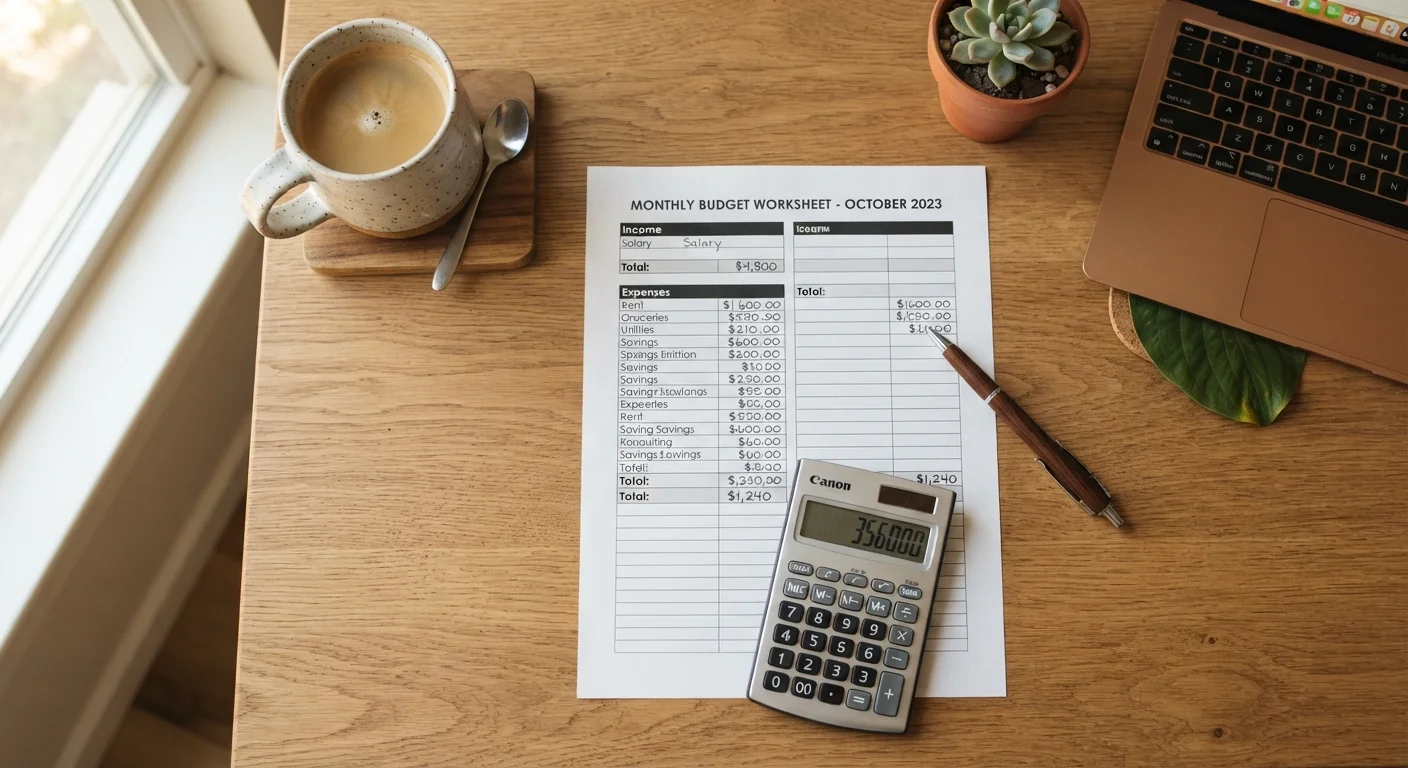
Photo credit: SyndicateExpert.com | Information At The Ready
In this article
Use this step-by-step checklist at the start of each month to set income targets, plan expenses, and catch gaps before they become problems.
Key Takeaways
- Start each month by confirming your actual take-home income before planning any expenses.
- Separate fixed expenses from variable ones so you know exactly where flexibility exists.
- Assign every dollar a purpose — unallocated money tends to disappear without a trace.
- Review last month's numbers before building this month's plan to catch recurring gaps.
- Include irregular and annual expenses as monthly line items to avoid budget-busting surprises.
Why a Monthly Reset Matters
Most budgets fail not because of bad intentions but because they're built once and never revisited. Life changes month to month — an irregular paycheck, an unexpected car repair, a forgotten annual subscription — and a static budget can't absorb those shifts. A monthly setup routine turns budgeting from a one-time event into a living practice.
This checklist walks you through the full setup process: confirming income, categorizing expenses, assigning every dollar, and flagging gaps before they become overdrafts. Whether you're starting fresh or refining an existing plan, working through this list at the beginning of each month gives you a clear financial picture before spending begins.
If budgeting terms like discretionary spending or net income feel unfamiliar, see the budgeting glossary before you start. And if your income varies month to month, check out budgeting on an irregular income for tailored strategies.
This article provides general financial education and is not personalized financial advice. Consider consulting a licensed financial professional for guidance specific to your situation.
Tools You'll Need
You don't need expensive software to build an effective monthly budget. The tools below cover every approach, from pen and paper to dedicated apps. Choose what you'll actually use consistently.
Spreadsheet (Google Sheets or Excel)
Build a fully customizable budget template you can update monthly and review over time.
Bank and credit card statements
Provide accurate data on past spending to inform realistic category estimates.
Pen and paper or printed worksheet
A simple offline option for those who prefer a tangible, distraction-free budgeting process.
Personal finance tracking app
Automatically categorizes transactions and provides spending summaries to speed up the review step.
Calculator
Verify totals and run quick what-if scenarios when balancing income against planned expenses.
The Full Monthly Budget Setup Checklist
Work through these steps in order. Each group builds on the one before it — skipping ahead often leaves blind spots that surface mid-month as shortfalls.
Confirm Your Income
Review Last Month
List Fixed Expenses
Estimate Variable Expenses
Assign Savings and Debt Goals
Balance and Finalize the Plan
Once you've completed the checklist, review your commonly forgotten spending categories to make sure nothing slipped through. Annual subscriptions, vehicle maintenance, and irregular fees are the most frequent culprits. You can also cross-reference your app and subscription spending as a quick audit step.
For a deeper look at making your budget stick beyond the first month, see building a budget that doesn't collapse after month one. And once your budget is running smoothly, a broader financial check-in can help you evaluate your savings and debt picture at the same time.
Putting Your Budget Into Practice
Completing this checklist gives you a working plan — but a plan only creates results when you refer back to it. Schedule a brief mid-month check-in (10–15 minutes) to compare actual spending against your plan and make small corrections before they compound.
If you want to take your approach further, zero-based budgeting is a method that formalizes the "assign every dollar" principle — useful for anyone who finds money disappearing without clear cause. For a comprehensive overview of budgeting from the very beginning, the complete personal budgeting guide covers everything from choosing a method to adjusting your plan as life changes.
Saving and debt reduction should also be built into the budget itself — not treated as leftovers after spending. Explore the Saving and Debt hub for guidance on building an emergency fund, paying down balances, and knowing when you're ready to look at investing basics.
This article is for general informational purposes only and does not constitute personalized financial, tax, or investment advice. Consult a qualified financial professional before making decisions based on your individual circumstances.

Author
Personal Finance Editorial Team
Personal Finance Editorial Team is the collective byline for our editorial team and contributor network. Articles published under this byline or an editorial pen name are researched, written, and reviewed according to our editorial standards for clarity, consistency, and independence before publication.
View all articles →