
Why Your Budget Keeps Failing — And It's Not Willpower
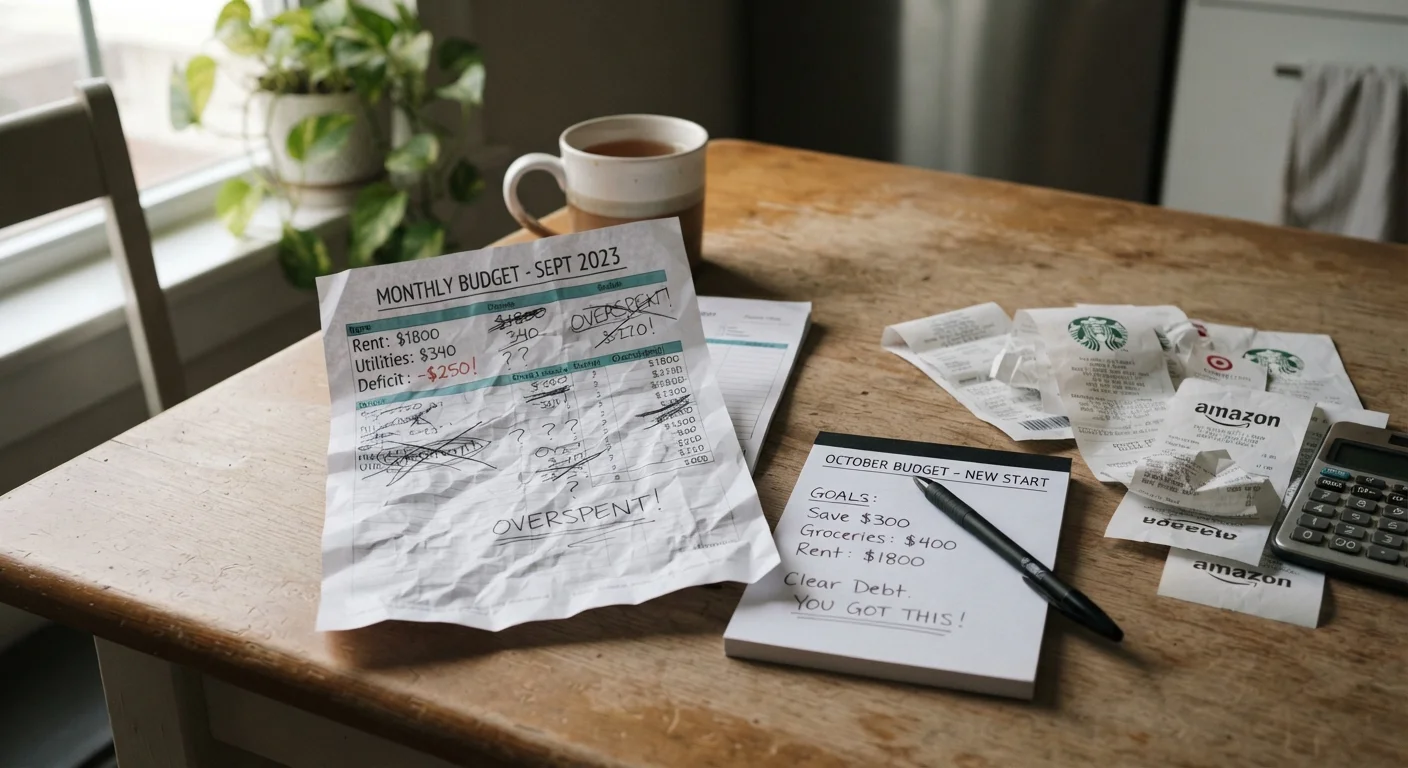
Photo credit: SyndicateExpert.com | Information At The Ready
In this article
Most budget breakdowns come down to a handful of structural mistakes. Here's what goes wrong and how to fix the plan, not yourself.
Key Takeaways
- Budget failures are almost always structural problems, not personal willpower failures.
- Using an unrealistic income baseline is one of the most common and damaging budgeting mistakes.
- Irregular and annual expenses break more budgets than daily coffee purchases ever will.
- A budget with no flexibility built in is a budget designed to be abandoned.
- Regular monthly reviews — not annual ones — are what separate budgets that stick from ones that don't.
The Problem Isn't You
If you've started a budget, felt confident for a week or two, then watched it quietly collapse — you're in very good company. Most people who struggle with budgeting conclude they lack the discipline to make it work. That conclusion is almost always wrong.
Budget failure is typically a design problem. The structure of the plan itself sets people up to miss targets, feel guilty, and give up. Understanding why budgets break down structurally is the first step toward building one that doesn't. If you've wondered whether budgeting is even worth attempting, common misconceptions may be holding you back — and they're worth addressing head-on before rebuilding your approach.
Budgeting from gross income instead of take-home pay.
Why it happens: Gross salary is the number people know — it's what job offers reference and what feels like 'your income.' Taxes, benefits deductions, and retirement contributions come out before you ever see the money.
Treating irregular and annual expenses as surprises rather than planning for them.
Why it happens: Monthly budgets naturally focus on monthly costs. Car registration, insurance premiums, holiday gifts, and back-to-school spending don't show up every month, so they don't get a line item — until they blow the budget.
Building a budget with zero flexibility or buffer.
Why it happens: A tight, optimistic budget feels responsible. Allocating every dollar to a specific category seems efficient. But it leaves no margin for the small, unplanned costs that occur in virtually every month.
Setting spending targets based on aspiration, not actual behavior.
Why it happens: People estimate what they wish they spent on groceries, dining out, or entertainment rather than checking what they actually spent. This creates an immediate gap between the budget and reality.
Never revisiting or updating the budget after the first draft.
Why it happens: Budgeting feels like a one-time task — build it, then follow it. But income, expenses, and life circumstances change, and a plan that fit six months ago may now be completely misaligned.
What Solid Budgeting Actually Requires
Fixing a broken budget isn't about trying harder — it's about building a more honest plan. That means accounting for income realistically, capturing the full picture of your spending (including the costs most people forget — see our guide on spending categories most people leave out), and building in room for life to be unpredictable.
~1 in 3
Americans with a detailed household budget
Surveys consistently find that fewer than one-third of U.S. households maintain a detailed written or tracked budget, despite widespread awareness of the practice.
~$1,400
Average annual irregular expense gap
Financial planning research suggests the typical household underestimates annual irregular expenses by hundreds to over a thousand dollars, depending on vehicle ownership and family size.
A budget that survives beyond month one requires regular check-ins. Set a recurring 20-minute monthly review to compare what you planned against what actually happened. Adjust the plan, not your self-assessment. For a deeper framework on building lasting habits around your finances, the complete guide to personal budgeting covers everything from choosing a method to adapting over time. Once your budget holds consistently, it becomes the foundation for tackling debt and building savings through the saving and debt strategies that move you forward.
This article is for general informational and educational purposes only. It is not personalized financial advice. Consider consulting a qualified financial professional for guidance specific to your circumstances.

Author
Personal Finance Editorial Team
Personal Finance Editorial Team is the collective byline for our editorial team and contributor network. Articles published under this byline or an editorial pen name are researched, written, and reviewed according to our editorial standards for clarity, consistency, and independence before publication.
View all articles →