
Building Financial Stability from Zero: A Ground-Up Guide to Saving and Debt
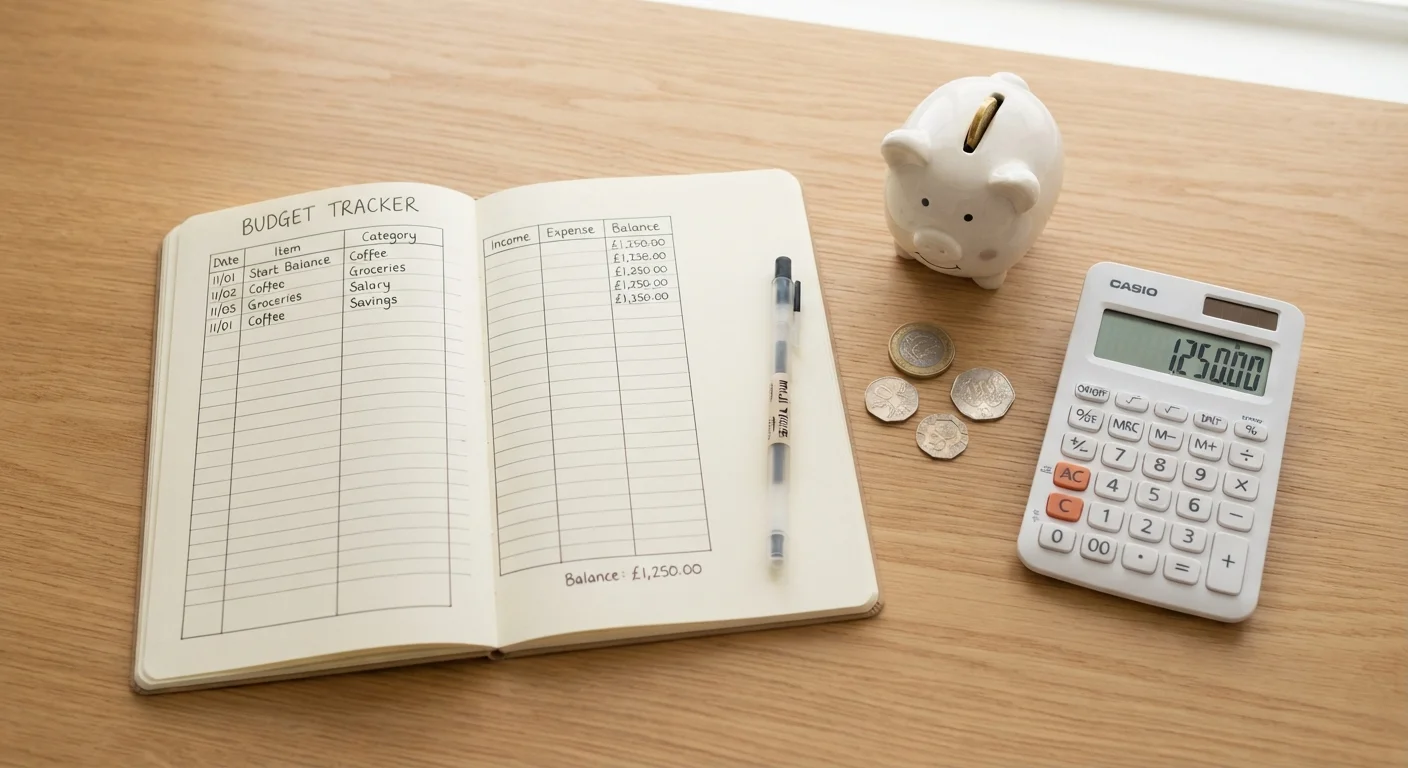
Photo credit: SyndicateExpert.com | Information At The Ready
In this article
From opening your first savings account to making sense of interest rates, this guide covers the foundational moves for anyone starting fresh.
Key Takeaways
- Knowing your exact income, expenses, and debt balances is the essential first move.
- A small emergency fund — even $500 — provides crucial protection before aggressively paying down debt.
- High-interest debt costs you money every day it goes unpaid; prioritizing it saves the most over time.
- Splitting limited funds between saving and debt repayment is often smarter than an all-or-nothing approach.
- Automation and simple habits make financial progress far more reliable than willpower alone.
Understanding Where You Stand
Before you can build anything, you need a clear picture of your current financial terrain. That means gathering three numbers: your monthly take-home income, your total monthly essential expenses, and your complete list of debts — including each balance and its interest rate.
Write these down or enter them in a spreadsheet. Many people avoid this step because the numbers feel overwhelming, but clarity is never the enemy. You cannot make a plan for a map you haven't read. If you've never built a budget before, the seven-step budgeting walkthrough is a practical companion to this guide.
Emergency fund
A dedicated pool of savings reserved for unexpected, necessary expenses — separate from money used for regular bills or spending.
Interest rate (APR)
The annual percentage rate charged on money you owe. A higher APR means a debt grows faster when left unpaid.
Minimum payment
The smallest amount a lender requires you to pay each billing cycle. Paying only the minimum keeps the account current but extends the time and total cost to repay the debt.
Debt avalanche
A repayment strategy that targets the highest-interest debt first, reducing the total interest you pay over time.
Debt snowball
A repayment strategy that targets the smallest debt balance first, generating quick wins that build motivation.
Take-home income
The money you actually receive after taxes and other withholdings are deducted — what lands in your bank account, not your gross salary.
Building Your First Financial Safety Net
An emergency fund is money set aside exclusively for unplanned, necessary expenses — a medical bill, a job loss, a car breakdown. Without one, any financial disruption lands directly on a credit card, often adding to the debt you're trying to escape.
Start small. A starter goal of $500 to $1,000 is achievable for most people within a few months and provides meaningful protection. Keep these funds in a dedicated savings account — separate from your everyday checking account — so they aren't casually spent. Look for accounts with no monthly fees and no minimum balance penalties.
Once your starter fund is in place, you have a foundation stable enough to focus energy on debt without fearing that one unexpected expense will derail everything.
Making Sense of Debt and Interest
Not all debt is equally urgent. Interest rate — the annual percentage you're charged on an outstanding balance — is the key variable. Credit card debt commonly carries rates well above 20%, meaning a $2,000 balance left unpaid for a year grows significantly through interest alone.
Two structured approaches help people tackle multiple debts:
- Debt avalanche: Pay minimums on all debts, then direct any extra money toward the highest-interest balance. This minimizes total interest paid over time.
- Debt snowball: Pay minimums on all debts, then attack the smallest balance first. Paying off a whole account quickly provides a motivational boost that keeps many people on track.
Neither method is universally superior — the one you'll actually stick with is the right one for you. What matters most is making consistent, on-time minimum payments on every account to avoid late fees and credit score damage.
Balancing Saving and Paying Down Debt Simultaneously
The most common tension in personal finance for beginners is this: every dollar going toward debt isn't going into savings, and vice versa. The good news is that an either/or choice is rarely necessary or optimal.
A workable starting framework looks like this:
- Cover all essential expenses first.
- Make minimum payments on every debt.
- Contribute a small fixed amount to your emergency fund each pay period.
- Direct any remaining dollars toward your highest-priority debt.
Once your emergency fund reaches your starter goal and high-interest debts are eliminated, you can shift that freed-up money toward growing savings and, eventually, building wealth through investing. The Investing Essentials hub is a useful next destination when you're ready for that conversation.
Automation makes this system far more reliable. Setting up automatic transfers removes the decision from your hands each month. The guide to automating your finances walks through how to set this up practically.
Automate Before You Can Second-Guess Yourself
Set up automatic transfers to your savings account on the same day your paycheck lands — even if it's just $25. Treating savings like a non-negotiable bill makes it far more likely to actually happen. The same logic applies to debt payments: scheduling automatic minimums on every account prevents missed payments and late fees.
Your Next Steps Toward Lasting Stability
Building financial stability from zero is not a sprint — it's a series of small decisions made consistently over time. Once you have a starter emergency fund, a debt repayment plan in motion, and a working budget, you're no longer starting from zero. You're building.
Periodic check-ins keep your plan relevant as life changes. The financial check-in guide offers a structured audit you can run every few months to make sure your strategy is still working. And when the habits that got you here need reinforcing, evidence-informed strategies for sustaining progress can help you stay on course.
This article is for general informational and educational purposes only and does not constitute personalized financial, tax, or legal advice. For guidance specific to your situation, consult a qualified financial professional.
Frequently Asked Questions

Author
Personal Finance Editorial Team
Personal Finance Editorial Team is the collective byline for our editorial team and contributor network. Articles published under this byline or an editorial pen name are researched, written, and reviewed according to our editorial standards for clarity, consistency, and independence before publication.
View all articles →