
The Real Costs Hidden Inside Investment Accounts
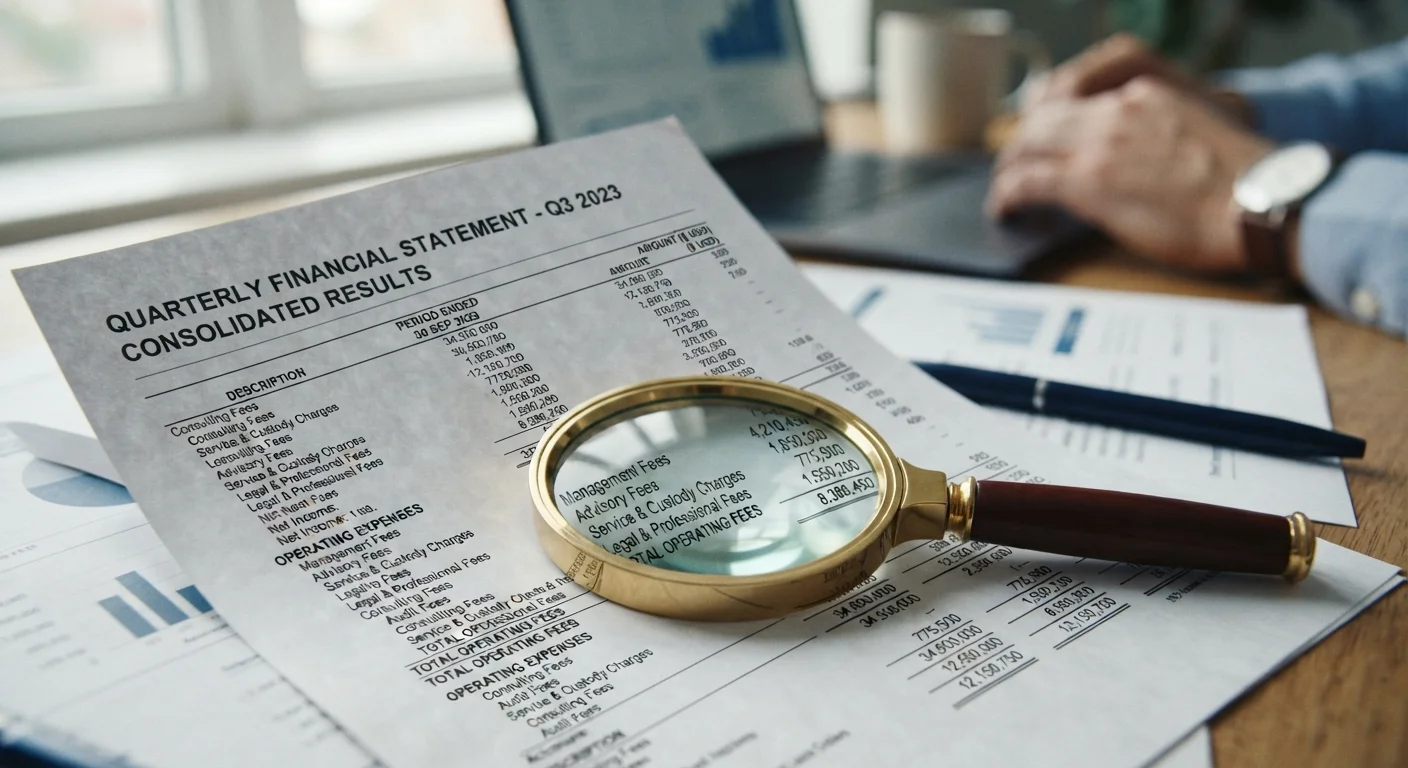
Photo credit: SyndicateExpert.com | Information At The Ready
In this article
Expense ratios, trading commissions, and fund fees quietly reduce returns. Here's how to identify and understand the charges that compound against you.
Key Takeaways
- Expense ratios are annual percentage fees deducted directly from a fund's assets, reducing your returns automatically.
- Even a 1% fee difference can cost tens of thousands of dollars over a 30-year investment horizon.
- Account maintenance fees, trading commissions, and sales loads are separate charges many investors overlook entirely.
- Understanding each fee type is the first step to keeping more of what the market earns for you.
Why Investment Fees Fly Under the Radar
Unlike a credit card interest charge that appears as a clear line item, most investment fees are deducted silently — subtracted from fund performance before you ever see a balance update. That invisibility is precisely why so many investors significantly underestimate how much they're paying. If you've never audited your investment account for fees, you're likely not alone. Studies have consistently found that a large majority of investors cannot accurately name the annual cost of their own funds.
This article is general financial education, not personalized investment advice. For guidance tailored to your specific situation, consult a licensed financial professional. With that framing in place, let's look at the most common charges hiding in plain sight — and the mistakes that let them compound against you. For a plain-language breakdown of terms like "expense ratio" and "load," see our investing jargon reference for new investors.
Common Mistakes Investors Make with Account Fees
The mistakes below follow a predictable pattern: they stem from what investors don't know to look for, not from carelessness. Recognizing them is the most practical way to stop paying more than necessary.
Ignoring the expense ratio when choosing a fund.
Why it happens: Expense ratios are expressed as a small percentage — often less than 1% — which makes them feel negligible. Investors naturally focus on historical returns instead.
Assuming a zero-commission brokerage means truly free trading.
Why it happens: "Commission-free" trading has become a common marketing message, leading investors to believe transaction costs have been eliminated entirely.
Overlooking 12b-1 fees buried inside a mutual fund's expense ratio.
Why it happens: The 12b-1 fee — a distribution and marketing charge paid out of fund assets annually — is rarely called out separately in account statements. It's folded into the total expense ratio figure.
Paying advisory fees without understanding what services they cover.
Why it happens: Advisory fee structures — flat annual fees, assets-under-management percentages, or hourly rates — vary widely and are not always clearly explained at account opening.
Leaving money in a high-fee default fund inside a workplace retirement plan.
Why it happens: Many 401(k) plans auto-enroll participants into a default investment option, which may carry higher expense ratios than other available choices in the same plan.
Beyond individual fund fees, account-level charges matter too. Some brokerage platforms charge annual maintenance or inactivity fees that drain idle accounts slowly. These are often waived once account balances reach a certain threshold, but that threshold varies widely — and the fee schedule is typically buried in the account agreement. Forgotten expense categories extend well beyond investing, and overlooked account fees follow the same pattern.
The Long-Run Math on Investment Costs
~$100K+
Potential cost of a 1% fee difference over 30 years
The U.S. Securities and Exchange Commission's investor education resources illustrate how a 1% annual fee difference on a growing portfolio can reduce final value by six figures over a long investment horizon.
0.03%–1%+
Typical expense ratio range across fund types
Broad market index funds commonly carry expense ratios below 0.10%, while some actively managed mutual funds charge 1% or more annually, according to publicly available fund prospectus data.
Fees matter most not because of what they take today, but because of what they prevent from compounding tomorrow. A charge deducted now is a charge that never gets to grow. This is the inverse of the principle described in our article on what compound interest does to your money over time — the same compounding that builds wealth can work against you when it's applied to costs instead of gains.
The fee comparison between passive index funds and actively managed funds is one of the most documented cost differences in personal finance. Our companion piece on index funds vs. actively managed funds walks through the performance and cost evidence in detail. Understanding that landscape helps you ask better questions before committing money to any fund.
This article is for general informational and educational purposes only and does not constitute personalized financial, investment, or tax advice. Consult a qualified financial adviser before making decisions based on your individual circumstances.

Author
Personal Finance Editorial Team
Personal Finance Editorial Team is the collective byline for our editorial team and contributor network. Articles published under this byline or an editorial pen name are researched, written, and reviewed according to our editorial standards for clarity, consistency, and independence before publication.
View all articles →