
Signs of Illness in Small Pets That Are Easy to Miss
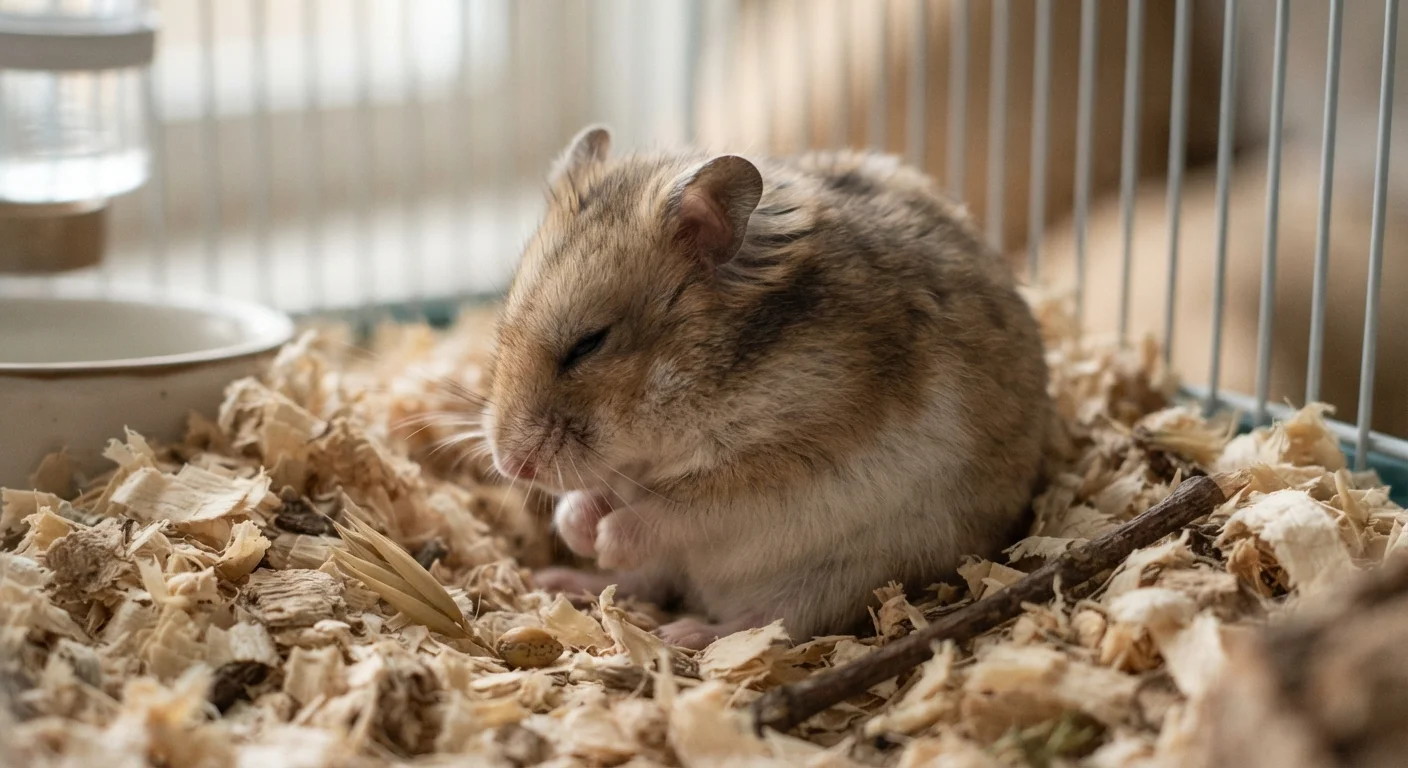
Photo credit: SyndicateExpert.com | Information At The Ready
In this article
Hamsters, guinea pigs, and other small mammals often hide discomfort. Learn the subtle behavioral and physical signals that something may be wrong.
Key Takeaways
- Small mammals instinctively mask illness, making subtle behavioral changes the earliest warning signs.
- Changes in eating, grooming, posture, and activity levels all warrant close attention.
- A veterinarian experienced with exotic or small mammals should be consulted promptly when something seems off.
- Daily observation is the single most effective tool for catching illness early in small pets.
- Weight loss is often the first measurable sign of a health problem in rabbits, guinea pigs, and hamsters.
Why Small Pets Are So Easy to Miss
Hamsters, guinea pigs, rabbits, and other small mammals share an evolutionary survival strategy with many prey animals: hide any sign of weakness. In the wild, appearing sick invites predation. In your home, that same instinct means a pet can be seriously unwell before showing anything obvious. Unlike dogs and cats — whose body language is more familiar to most owners (see our guide on signs your dog may be in pain) — small mammals give far subtler cues that are easy to dismiss as a bad day or normal variation.
The stakes are also higher because small animals have faster metabolisms. A condition that takes weeks to visibly affect a dog may cause rapid deterioration in a hamster or rabbit within 24 to 48 hours. Building the habit of daily, systematic observation is not overcaution — it is sound animal husbandry. The warning signs below are consistently reported by veterinarians who specialize in exotic and small-mammal care as the ones most commonly overlooked by otherwise attentive owners.
Build a Daily Observation Routine
Spend two to three minutes each day observing your small pet during its active period before interacting with it. Watch for posture, movement quality, and eating behavior before your presence changes its behavior. This brief, consistent habit creates the baseline awareness that makes early illness detection possible.
Signs That Something May Be Wrong
Reduced or absent food and water intake
Most small mammals eat and drink on a predictable schedule relative to their activity cycles. A hamster, for example, typically forages heavily at dusk and dawn. If you notice food left untouched across multiple active periods, or a water bottle level that hasn't dropped, take it seriously. Anorexia in small mammals can signal dental problems (common in rabbits and guinea pigs with continuously growing teeth), respiratory infection, pain, or systemic illness. Even a single missed feeding cycle in a rabbit can indicate GI stasis — a potentially life-threatening condition where gut movement slows or stops.
A single missed feeding cycle in a rabbit may signal dangerous gastrointestinal stasis.
Unexplained weight loss
Because small pets are covered in fur and observed from a distance, gradual weight loss often goes unnoticed until it is severe. A guinea pig or rabbit that feels noticeably bony along the spine or hip bones has likely lost a significant percentage of body mass. Weigh your pet weekly using a small kitchen scale and log the numbers. A loss of 10% or more of body weight over a few weeks is a clear veterinary flag. Steady loss over months may indicate dental disease, parasites, or organ dysfunction.
Weekly weigh-ins catch gradual weight loss long before it becomes visible through fur.
Changes in droppings
Fecal output is one of the most reliable health indicators in small herbivores. Normal rabbit and guinea pig droppings are uniform, firm, and produced in consistent volume. Fewer droppings, smaller-than-normal droppings, droppings that are misshapen or strung together with mucus, or the complete absence of output all indicate that gut motility has changed — a situation requiring prompt veterinary attention. Wet or loose stools in any small mammal, including hamsters, can lead to rapid dehydration and should not be monitored at home beyond a few hours.
Changes in fecal output are among the most reliable early illness indicators in small herbivores.
Hunched posture or reluctance to move
A healthy small mammal moves with purpose during its active periods — foraging, grooming, exploring. A pet that sits hunched in a corner, moves stiffly, or resists handling it normally tolerates may be in pain. Guinea pigs in particular adopt a distinctive hunched, still posture when uncomfortable. Rabbits may press their abdomen to the ground or grind their teeth (bruxism) when experiencing abdominal pain. These postural signals are easy to attribute to a sleepy or grumpy mood, but consistent or worsening stillness warrants evaluation.
A hunched, motionless posture in an otherwise active small pet is a classic pain signal.
Coat, skin, or eye changes
A healthy coat is smooth, clean, and appropriate for the species — guinea pigs groom themselves regularly, and a rough or matted coat often reflects that they have stopped doing so. Look for patchy fur loss, flaky skin, redness, or unusual lumps beneath the fur. Eyes should be bright and fully open; discharge, half-closed lids, or cloudiness all merit attention. Nasal discharge — even a small amount of crust around the nostrils — can indicate upper respiratory infection, which spreads quickly in social species like guinea pigs. If you keep birds alongside small mammals, similar coat and feather logic applies — our article on why your bird's feathers look wrong covers parallel warning signs.
A rough or matted coat often means a small pet has stopped self-grooming — itself a sign of illness.
Abnormal breathing
Breathing in small mammals should be quiet and barely visible at rest. Labored breathing, rapid shallow breaths, clicking or wheezing sounds, or an animal sitting with elbows pushed outward and head extended (a posture that opens the airway) are all signs of respiratory distress. This is a veterinary emergency regardless of what other symptoms are or aren't present. Because small animals have such small lung capacity, respiratory compromise deteriorates faster than it would in a larger animal.
Labored or audible breathing in a small pet is a veterinary emergency — do not wait to seek care.
What to Do When You Notice a Change
If you observe any combination of these signs, resist the urge to wait and see beyond 24 hours — especially for rabbits, who are particularly fragile when gastrointestinal motility slows. Locate a veterinarian with documented experience treating exotic or small mammals before an emergency arises; not all general practice vets are equally equipped to treat these species.
Keep a simple log of your pet's normal baseline: typical daily food and water intake, usual activity windows, regular weight (a small kitchen scale works well), and coat or skin condition. Having that reference makes it far easier to recognize and communicate deviations clearly to a vet. Nutrition also plays a direct role in resilience — our small pet nutrition guide covers species-specific dietary needs that support long-term health.
This article provides general educational information about small pet health and is not a substitute for professional veterinary advice. Always consult a qualified veterinarian regarding your individual pet's health concerns.

Author
Pets & Animals Editorial Team
Pets & Animals Editorial Team is the collective byline for our editorial team and contributor network. Articles published under this byline or an editorial pen name are researched, written, and reviewed according to our editorial standards for clarity, consistency, and independence before publication.
View all articles →