
Small Pet Nutrition: What Rabbits, Guinea Pigs, and Hamsters Actually Need to Eat
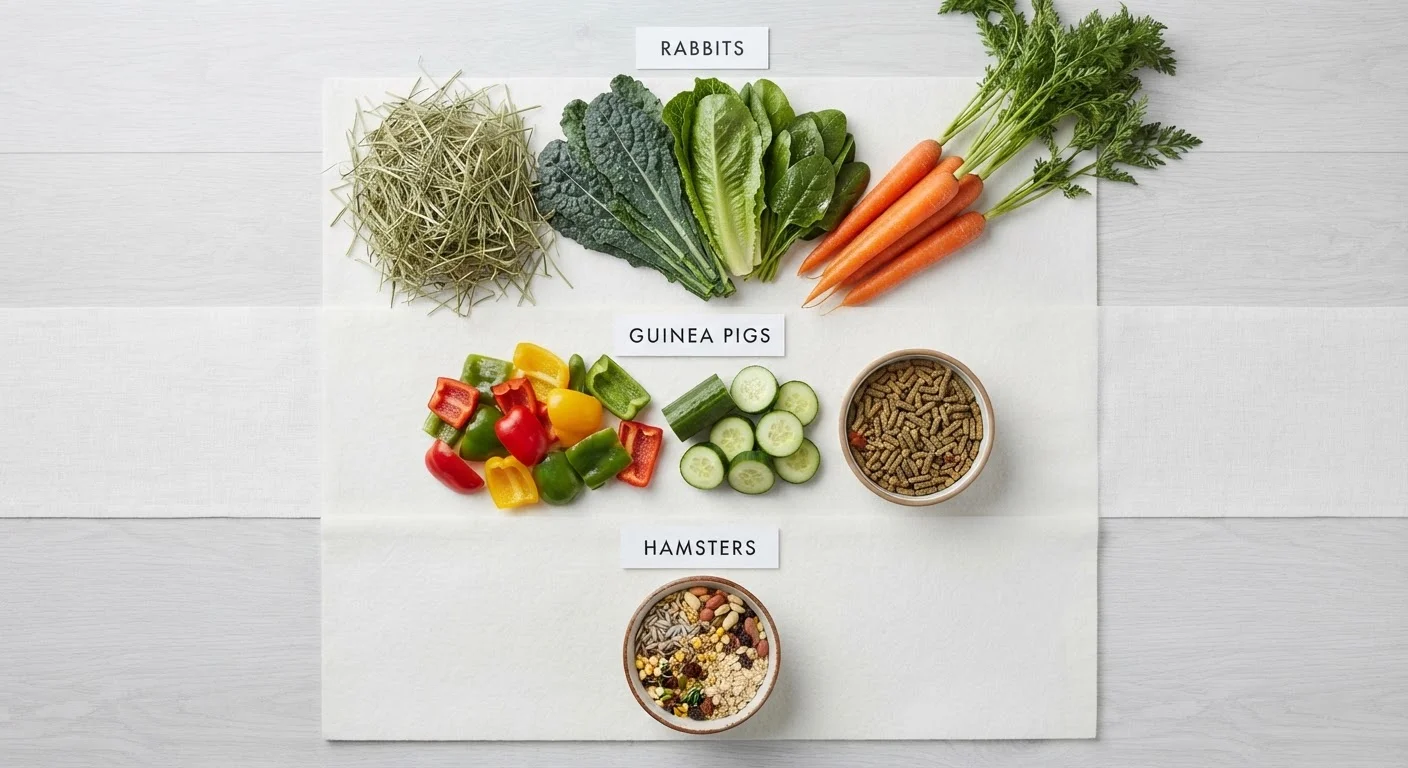
Photo credit: SyndicateExpert.com | Information At The Ready
In this article
A species-by-species breakdown of dietary needs for popular small mammals — including what common foods are actually harmful to each.
Why Small Pet Nutrition Isn't Interchangeable
Walk through any pet store and you'll see "small animal" food marketed as broadly suitable for rabbits, guinea pigs, and hamsters alike. In reality, these three species have meaningfully different digestive systems, metabolic needs, and — critically — nutritional vulnerabilities. Feeding one species' diet to another can cause real harm over time.
If you're already thinking carefully about what your pets eat, that same mindset applies here. Just as decoding pet food labels matters for dogs, understanding species-specific requirements is the foundation of good small pet care. This reference guide breaks it down by species so you can make informed decisions — and know exactly which common foods to avoid.
Rabbits: Hay First, Always
The single most important fact about rabbit nutrition: timothy hay (or other grass hays) should make up roughly 80% of an adult rabbit's diet. Hay is not a supplement or a bedding material — it is the dietary cornerstone. The long fiber strands support healthy gut motility and wear down continuously growing teeth. A rabbit without adequate hay is at serious risk for gastrointestinal stasis, a life-threatening slowdown of the digestive tract.
- Hay: Unlimited timothy, orchard grass, or meadow hay for adults. Alfalfa hay is high in calcium and calories and is generally reserved for young rabbits under six months.
- Leafy greens: About one to two packed cups per five pounds of body weight daily. Rotate varieties — romaine, arugula, cilantro, and herbs like basil are generally well-tolerated.
- Pellets: A small quantity of plain, timothy-based pellets (not a seed-mix) is appropriate, but pellets should not dominate the diet. Overfeeding pellets crowds out hay intake.
- Avoid: Iceberg lettuce (nearly no nutrition, can cause digestive upset), starchy vegetables, sugary fruits in large amounts, and any muesli-style mixes with dried fruit, seeds, and colored puffs.
For a fuller picture of what rabbit ownership entails day to day, see the realities of rabbit ownership.
Guinea Pigs: The Vitamin C Requirement Is Non-Negotiable
Guinea pigs share one critical trait with humans: they cannot synthesize their own vitamin C. Without adequate dietary vitamin C, guinea pigs develop scurvy — a genuinely painful and serious condition. This makes fresh food a medical necessity, not an optional treat.
- Hay: Like rabbits, guinea pigs need unlimited grass hay as their dietary base for fiber and dental health.
- Vitamin C sources: Fresh bell pepper (especially red or yellow), leafy greens like kale and parsley, and small amounts of citrus. Aim for foods providing roughly 10–30 mg of vitamin C per day — but confirm appropriate amounts with a veterinarian for your individual animal.
- Pellets: Plain, vitamin C-fortified pellets designed specifically for guinea pigs. Note that vitamin C degrades rapidly in pellets once a bag is opened, so fresh food sources remain essential.
- Avoid: Iceberg lettuce, dairy, meat, onions, garlic, and any food high in oxalic acid such as spinach given in large quantities.
Thinking about whether a guinea pig is the right fit for your home? The guinea pig vs. hamster comparison covers lifestyle and care differences side by side.
Hamsters: Omnivores With a Hoarding Habit
Hamsters are omnivores, meaning they require both plant material and protein — a fundamentally different profile from rabbits and guinea pigs. In the wild, hamsters eat grains, seeds, insects, and occasional plant material. Their cheek pouches are built for storing food, which means they can appear to eat normally while actually hoarding and going without.
- Pellets: A quality hamster-specific pellet or block provides a nutritionally balanced base and helps prevent selective feeding (the tendency to pick out only seeds).
- Fresh vegetables: Small amounts of broccoli, cucumber, and leafy greens are suitable. Portions should be tiny — roughly a teaspoon-sized serving — because excess moisture causes digestive upset.
- Protein: Plain cooked chicken, mealworms, or plain scrambled egg in very small quantities once or twice weekly supports their omnivorous needs.
- Avoid: Citrus fruits, onions, garlic, almonds, apple seeds, and any sugary foods. Diabetes is a real concern in dwarf hamster breeds, so fruit should be minimal or eliminated.
Because hamsters mask illness well, knowing what subtle signs to look for is essential. The guide on signs of illness in small pets is a useful companion resource.
This article provides general educational information about small pet nutrition and is not a substitute for veterinary advice. Consult a qualified veterinarian familiar with small mammals for guidance specific to your pet's health, age, and individual needs.

Author
Pets & Animals Editorial Team
Pets & Animals Editorial Team is the collective byline for our editorial team and contributor network. Articles published under this byline or an editorial pen name are researched, written, and reviewed according to our editorial standards for clarity, consistency, and independence before publication.
View all articles →