
Owning a Pet Rabbit: The Rewarding Parts and the Genuinely Demanding Ones
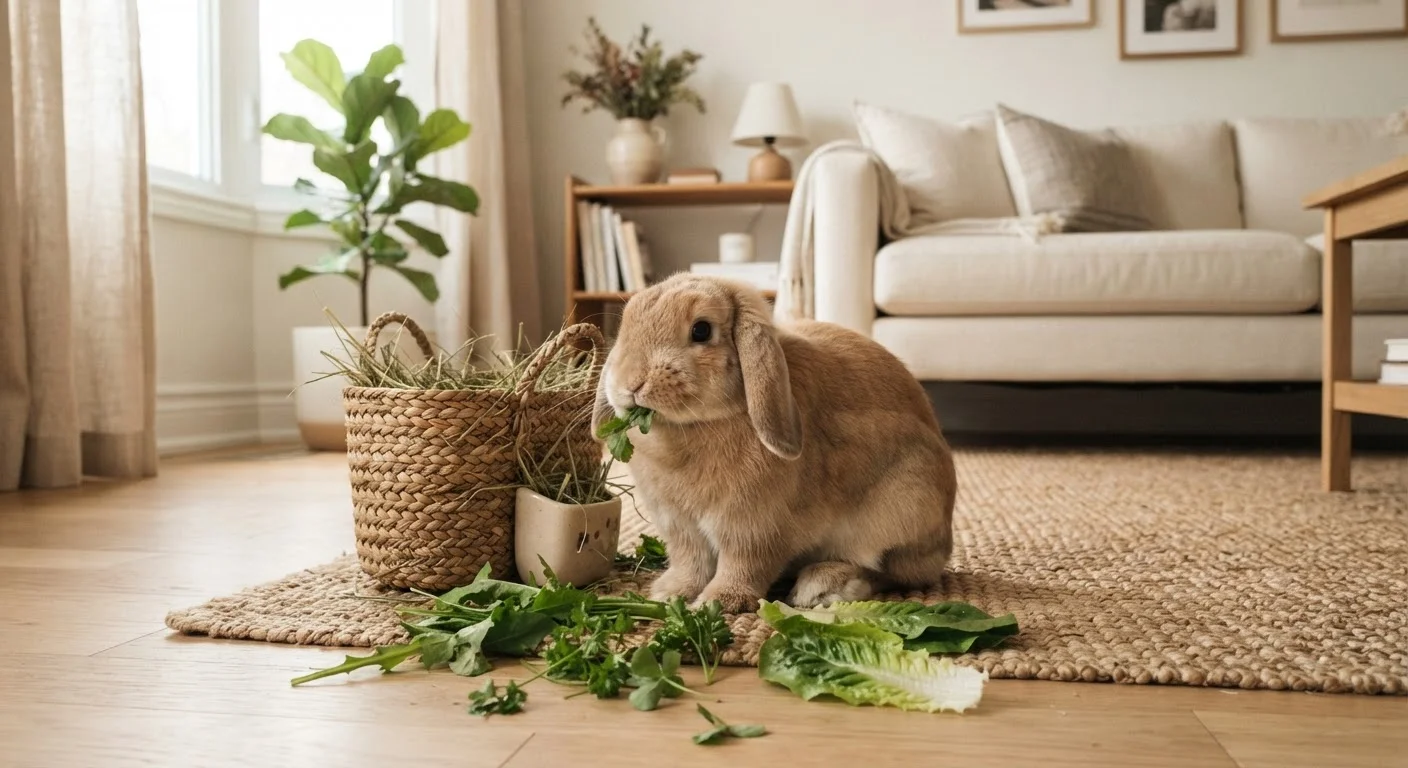
Photo credit: SyndicateExpert.com | Information At The Ready
In this article
Rabbits are social, intelligent, and long-lived — but they're also high-maintenance in ways many owners don't anticipate. A balanced look at rabbit ownership.
Key Takeaways
- Rabbits can live 8–12 years, making them a long-term commitment comparable to some dog breeds.
- They are highly social animals that can bond deeply with their owners and benefit from a companion rabbit.
- Hay must make up the majority of a rabbit's diet — pellets and treats alone lead to serious health problems.
- Rabbit-proofing a home is essential; unsupervised free-roaming rabbits can cause significant damage and injury to themselves.
- Veterinary care for rabbits requires an exotic animal specialist, which is less common and often more expensive.
- Rabbits communicate through subtle body language and are rarely vocal — learning to read them takes genuine observation.
Form genuine, affectionate bonds with owners
Rabbits recognize their caretakers and will often seek out attention, perform joyful binkies (mid-air twists and jumps), and settle beside trusted people. This bond deepens noticeably over months of consistent, gentle interaction.
Quiet companions suitable for apartment living
Unlike dogs, rabbits are largely silent — they rarely vocalize loudly, making them a practical option for shared housing or noise-sensitive environments, provided space and enrichment needs are met.
Naturally clean and can be litter-trained
Rabbits instinctively return to one or two spots to eliminate, which makes litter training relatively straightforward. Most rabbits adapt quickly, simplifying daily cleanup considerably.
Highly intelligent and enriched by problem-solving
Rabbits can learn their names, simple commands, and even navigate puzzle feeders. Mental stimulation through novel objects and foraging opportunities keeps them engaged and reduces stress-related behaviors.
Long lifespan means years of companionship
With proper care, domestic rabbits commonly live 8–12 years. For owners ready for that commitment, this translates into a long, rewarding relationship rather than a brief pet experience.
Veterinary care requires a specialist
Rabbits are classified as exotic animals, meaning routine care — spaying, neutering, dental checks — requires an exotics or rabbit-savvy vet. These practitioners are less widely available and appointments typically cost more than standard small-animal visits.
Diet is complex and non-negotiable
Unlimited grass hay (primarily timothy) must form around 80% of a rabbit's daily intake. Insufficient fiber leads to gastrointestinal stasis, a life-threatening condition. Many owners underestimate this requirement when first bringing a rabbit home.
Home must be thoroughly rabbit-proofed
Free-roaming rabbits chew electrical cords, baseboards, furniture, and houseplants — some of which are toxic to them. Preparing a safe environment requires dedicated effort and ongoing vigilance.
They are prey animals that often dislike being held
Contrary to common assumption, many rabbits find being picked up stressful. Forced handling can cause panic, injury, or a loss of trust. Bonding is best done at floor level on the rabbit's terms.
Social needs often require a second rabbit
Rabbits are colony animals and can experience loneliness and depression when housed alone. Keeping a pair generally improves welfare, but introductions must be managed carefully to prevent territorial fighting.
Shedding seasons are heavy and frequent
Rabbits molt several times a year, releasing significant amounts of fur. Unlike cats, they cannot vomit hairballs — ingested fur can cause dangerous blockages — so regular grooming by the owner is essential, not optional.
What Makes Rabbits Such Appealing Companions
Rabbits occupy an unusual place in the pet world: they are neither the obvious choice of dogs or cats, nor the low-maintenance small animal many people assume they'll be. What they actually are is something more nuanced — social, expressive, and surprisingly rewarding for owners willing to understand them on their own terms.
Form genuine, affectionate bonds with owners
Rabbits recognize their caretakers and will often seek out attention, perform joyful binkies (mid-air twists and jumps), and settle beside trusted people. This bond deepens noticeably over months of consistent, gentle interaction.
Quiet companions suitable for apartment living
Unlike dogs, rabbits are largely silent — they rarely vocalize loudly, making them a practical option for shared housing or noise-sensitive environments, provided space and enrichment needs are met.
Naturally clean and can be litter-trained
Rabbits instinctively return to one or two spots to eliminate, which makes litter training relatively straightforward. Most rabbits adapt quickly, simplifying daily cleanup considerably.
Highly intelligent and enriched by problem-solving
Rabbits can learn their names, simple commands, and even navigate puzzle feeders. Mental stimulation through novel objects and foraging opportunities keeps them engaged and reduces stress-related behaviors.
Long lifespan means years of companionship
With proper care, domestic rabbits commonly live 8–12 years. For owners ready for that commitment, this translates into a long, rewarding relationship rather than a brief pet experience.
The personality payoff of rabbit ownership is real. A rabbit that feels safe and bonded to its household will binky across the floor unprompted, groom their owner's hand, and settle contentedly nearby during quiet evenings. That relationship, however, is earned through patience and consistency — rarely delivered immediately upon adoption.
For those in apartments or noise-sensitive households, the quiet nature of rabbits is a genuine practical advantage. They do not bark, rarely vocalize beyond soft thumps and the occasional tooth-chattering when content, and can adapt well to smaller floor spaces provided they receive adequate daily exercise time outside their enclosure.
The Demands That Catch New Owners Off Guard
Rabbit ownership carries a set of responsibilities that differ meaningfully from what most new owners anticipate. Understanding these before adoption — not after — is essential to a good outcome for both the owner and the animal.
Veterinary care requires a specialist
Rabbits are classified as exotic animals, meaning routine care — spaying, neutering, dental checks — requires an exotics or rabbit-savvy vet. These practitioners are less widely available and appointments typically cost more than standard small-animal visits.
Diet is complex and non-negotiable
Unlimited grass hay (primarily timothy) must form around 80% of a rabbit's daily intake. Insufficient fiber leads to gastrointestinal stasis, a life-threatening condition. Many owners underestimate this requirement when first bringing a rabbit home.
Home must be thoroughly rabbit-proofed
Free-roaming rabbits chew electrical cords, baseboards, furniture, and houseplants — some of which are toxic to them. Preparing a safe environment requires dedicated effort and ongoing vigilance.
They are prey animals that often dislike being held
Contrary to common assumption, many rabbits find being picked up stressful. Forced handling can cause panic, injury, or a loss of trust. Bonding is best done at floor level on the rabbit's terms.
Social needs often require a second rabbit
Rabbits are colony animals and can experience loneliness and depression when housed alone. Keeping a pair generally improves welfare, but introductions must be managed carefully to prevent territorial fighting.
Shedding seasons are heavy and frequent
Rabbits molt several times a year, releasing significant amounts of fur. Unlike cats, they cannot vomit hairballs — ingested fur can cause dangerous blockages — so regular grooming by the owner is essential, not optional.
Diet is where misconceptions cause the most harm. Many pet stores prominently stock colorful seed mixes and fruit-based treats for rabbits — foods that should be offered rarely if at all. For a species-level breakdown of what rabbits, guinea pigs, and hamsters actually need nutritionally, see our guide to small pet nutrition.
Rabbits Are Not Starter Pets
Rabbits are often marketed toward families with young children as an easy, hands-off pet. In practice, they are better suited to households with older children or adults who can respect a prey animal's boundaries and commit to daily care. Young children may inadvertently frighten or injure a rabbit through enthusiastic handling, which can fracture the trust-building process significantly.
Veterinary access is another frequently overlooked factor. Finding a rabbit-experienced exotics vet before adoption — rather than scrambling during an emergency — is one of the most important preparatory steps a prospective owner can take.
Comparing Rabbits to Other Small Pets
Prospective owners often consider rabbits alongside other small mammals. The comparison is useful, but the differences are sharper than they first appear. Rabbits live significantly longer than hamsters and have more complex social and dietary needs than either hamsters or guinea pigs. Our guinea pig vs. hamster comparison offers a useful parallel framework if you're weighing options.
8–12 years
Typical domestic rabbit lifespan
According to the House Rabbit Society, well-cared-for domestic rabbits routinely live into double digits, with some reaching 14 years.
~80%
Proportion of diet that should be hay
Veterinary exotic animal organizations consistently recommend that grass hay — not pellets — make up the bulk of an adult rabbit's daily food intake.
3rd
Most popular small companion mammal in the US
Rabbits trail only dogs and cats in household popularity among companion mammals, according to American Pet Products Association survey data.
Unlike hamsters — which are largely solitary and often nocturnal — rabbits are crepuscular (most active at dawn and dusk) and thrive on interaction. Unlike guinea pigs, rabbits are considerably more agile and capable of causing more household disruption if given free-roam access without preparation. The enrichment needs of rabbits also share interesting parallels with other cognitively active species; the principles explored in our article on reptile enrichment and husbandry reflect how seriously environmental complexity matters for animal welfare across species.
The core question is not which small pet is easiest, but which one's genuine needs align with what your household can realistically provide, day after day, across years.
This article provides general information about rabbit care and is not a substitute for advice from a qualified exotic animal veterinarian. Always consult a rabbit-savvy vet for guidance specific to your pet's health and needs.

Author
Pets & Animals Editorial Team
Pets & Animals Editorial Team is the collective byline for our editorial team and contributor network. Articles published under this byline or an editorial pen name are researched, written, and reviewed according to our editorial standards for clarity, consistency, and independence before publication.
View all articles →