
Assuming a European City Break Will Be Relaxing Is Usually the First Mistake
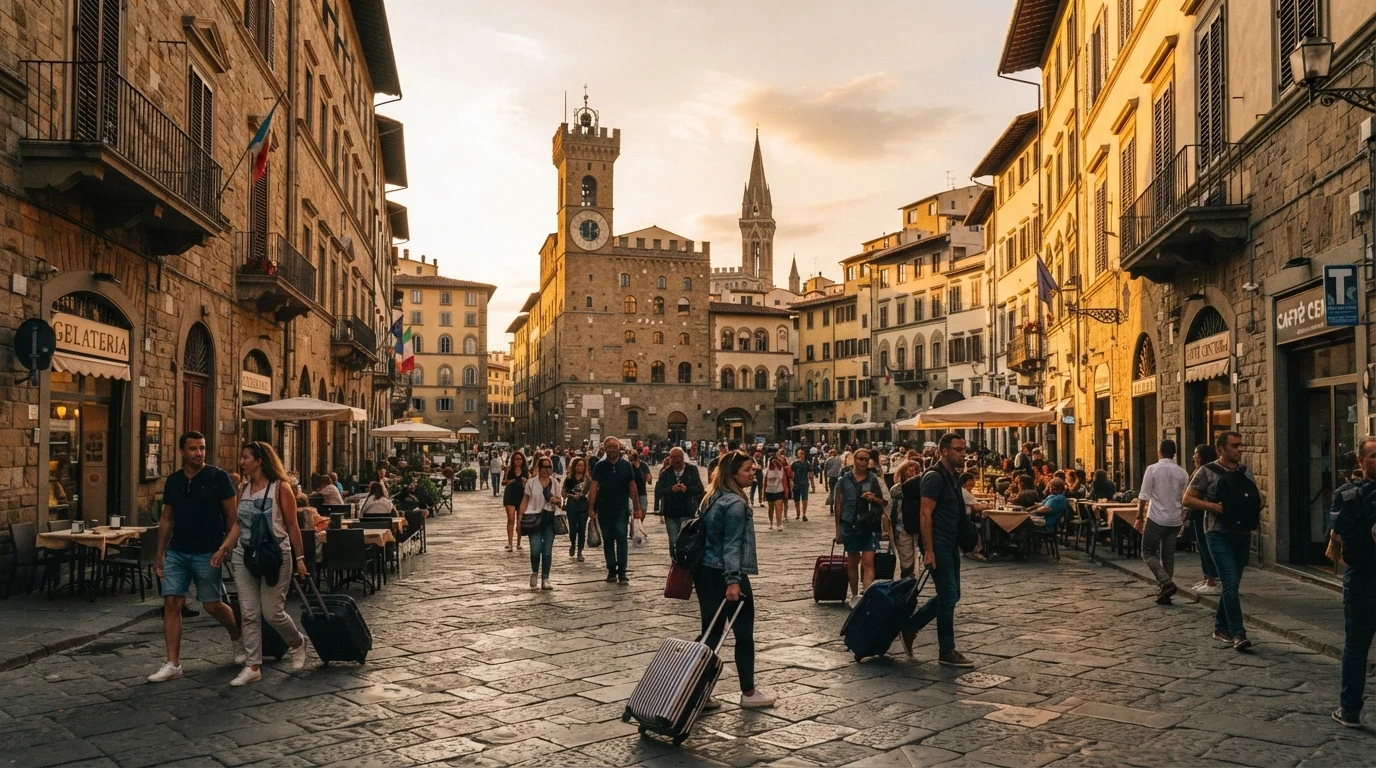
Photo credit: SyndicateExpert.com | Information At The Ready
In this article
Overloaded itineraries, underestimated transport times, and ignoring shoulder season—the planning errors that quietly wreck European city trips.
Key Takeaways
- Most European city breaks feel exhausting because travelers cram too many sights into too few days.
- Transit time between neighborhoods and cities is consistently underestimated, costing hours each day.
- Shoulder season travel often delivers a better experience than peak summer despite lower crowds and prices.
- A realistic budget must account for museum entry, transport passes, and sit-down meals — not just flights and hotels.
The Relaxing European Getaway That Wasn't
The pitch is irresistible: a long weekend in Paris, a few days in Prague, or a quick hop to Lisbon. European city breaks are marketed as breezy, romantic escapes — and they absolutely can be. But for many American travelers making their first or second trip across the Atlantic, the reality lands somewhere between a pleasant blur and outright exhaustion. The culprit is almost never Europe itself. It's the planning assumptions that got packed alongside the carry-on.
The mistakes travelers make on European city breaks aren't dramatic. They're quiet, incremental, and almost invisible until you're standing in a museum queue for two hours when you were supposed to be at lunch. Understanding where things typically go sideways — and why — is the fastest way to actually enjoy the trip you imagined.
See our guide to building itineraries that work in real life for a practical framework to start from.
Packing too many cities into one trip, treating each as a checkbox rather than a destination.
Why it happens: The distances on a European map look short to American eyes, and budget airlines make multi-city routing feel easy and cheap.
Underestimating how long it actually takes to get between places within a city.
Why it happens: Travelers plan by landmark proximity on a map without accounting for metro waits, walking time on cobblestones, or timed entry windows at major sites.
Traveling in peak summer and expecting a calm, immersive experience.
Why it happens: Summer school breaks and long US vacation windows make July and August feel like the obvious window for international travel.
Not pre-booking entry to major museums or attractions, then losing half a day in queues.
Why it happens: Spontaneity feels like part of the vacation mindset, and travelers assume walk-up entry is always possible.
Ignoring jet lag's real effect on the first day or two of the trip.
Why it happens: Travelers optimistically schedule full sightseeing days from the moment they land, not wanting to "waste" any time.
Treating the trip as purely visual — rushing through sights without leaving time to simply sit in a city.
Why it happens: FOMO-driven itineraries prioritize volume of experiences over depth, partly fueled by social media highlight reels.
The Planning Errors Worth Fixing Before You Book
Once you recognize these patterns, fixing them is straightforward. A few adjustments at the planning stage — before flights are booked and calendars are blocked — can be the difference between a trip you rave about and one you spend recovering from.
2–3 hrs
Average daily time lost to unplanned transit
Travel researchers and trip-planning experts consistently note that urban transit, queuing, and walking time consume two to three hours per day more than most itineraries account for.
~40%
Travelers who say they returned from a city break feeling unrested
Surveys of international leisure travelers regularly find that a substantial share feel their trips were too rushed — pointing to itinerary overload as the leading cause.
Budget is one of the most common silent trip-wreckers. Entry fees, city transport passes, and the inevitable sit-down dinner all add up faster than most travelers anticipate. Our breakdown of what most people forget to include in a travel budget covers exactly where those gaps tend to appear. And if you want to stress-test your numbers before departure, this guide on why trip budgets fall apart is worth a read.
For destination-specific planning, our full guide to Portugal shows what thorough pre-trip research looks like in practice — from regional transport to seasonal nuance. More general pre-departure essentials are covered in our pre-trip research checklist, which includes entry requirements, health advisories, and local conditions worth verifying before any reservation is confirmed.
The goal isn't a rigid schedule — it's a realistic one. Build in a slow morning. Leave one afternoon genuinely unplanned. European cities reward wandering, and wandering requires margin. The travelers who come home saying the trip changed them are rarely the ones who hit every landmark on the list.

Author
Travel & Trips Editorial Team
Travel & Trips Editorial Team is the collective byline for our editorial team and contributor network. Articles published under this byline or an editorial pen name are researched, written, and reviewed according to our editorial standards for clarity, consistency, and independence before publication.
View all articles →