
Planning a Trip to Portugal: The Full Picture from Lisbon to the Algarve
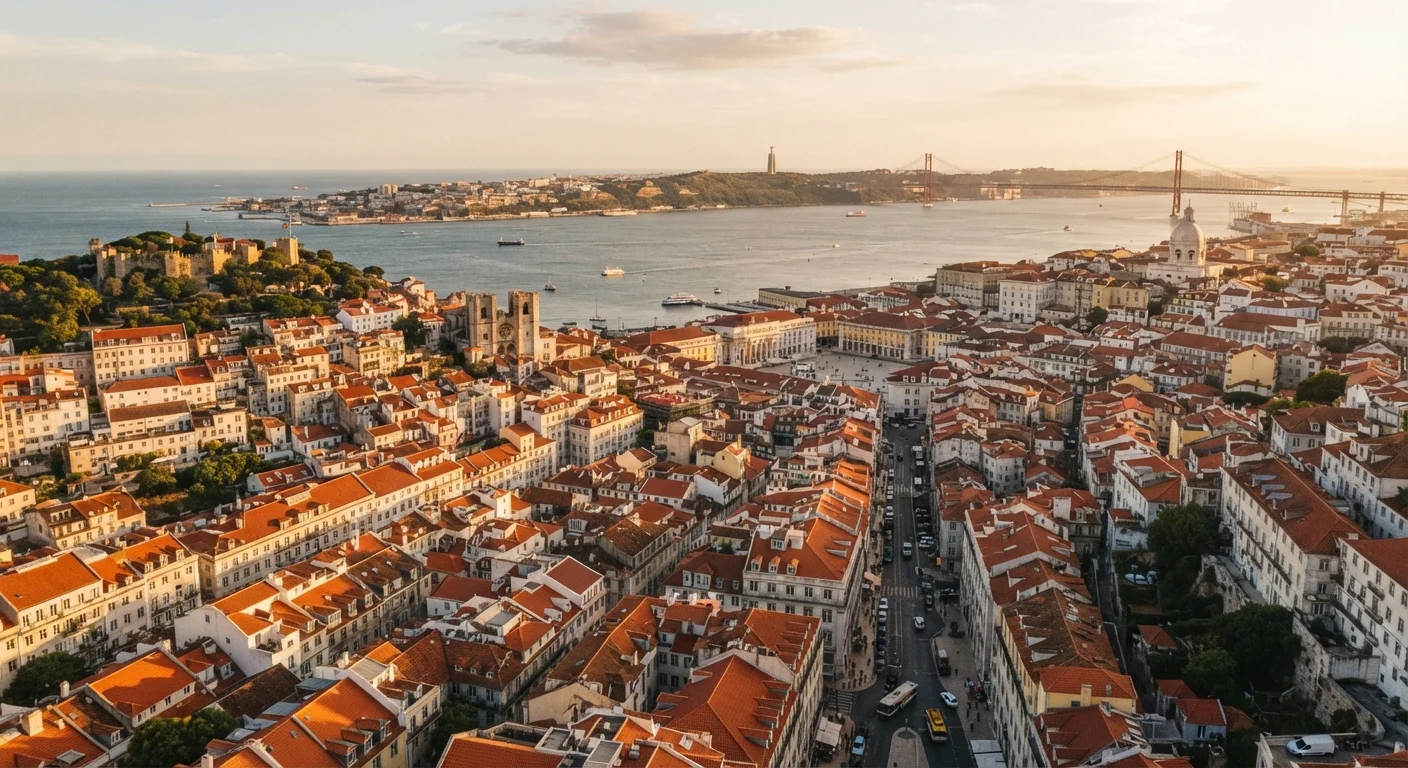
Photo credit: SyndicateExpert.com | Information At The Ready
In this article
A comprehensive guide to traveling Portugal—regions, transport, seasonality, cultural norms, and practical logistics for American visitors.
Key Takeaways
- Portugal is one of Europe's most accessible destinations for American travelers—English is widely spoken in cities and tourist areas.
- Lisbon, Porto, the Algarve, and the Alentejo each offer genuinely distinct experiences worth weighing before you commit.
- Spring and early autumn offer the most comfortable travel conditions; July and August bring crowds and high prices.
- Train and bus networks connect major cities reliably; renting a car unlocks rural regions and the Algarve coast most efficiently.
- Visa requirements for US passport holders are subject to Schengen rules—verify current entry requirements with official sources before booking.
- Portugal operates on a slower, more relaxed social pace—building that rhythm into your schedule makes the trip far more enjoyable.
Why Portugal Works So Well for American Travelers
Portugal punches well above its size. Wedged into the western edge of the Iberian Peninsula, it packs extraordinary variety into roughly the area of Indiana—medieval hill towns, Atlantic surf beaches, sun-scorched cork forests, and two vibrant cities that attract travelers on their own merits. For Americans, the practical welcome mat is also generous: English proficiency is high in Lisbon, Porto, and tourist areas; the country uses euros; and flight connections through major European hubs are plentiful.
Before diving into regions and routes, run through the essentials that belong on every pre-trip checklist. This pre-trip research guide walks through entry requirements, health advisories, and local regulations—critical reading since US passport holders are subject to Schengen Area rules that govern how long they can stay without a visa.
Book Lisbon accommodations in Alfama or Mouraria rather than the touristy Baixa district—you'll pay less, sleep better, and wake up to neighborhoods that actually live and breathe.
Central tourist districts in European capitals often have inflated prices and thinner local character; adjacent historic neighborhoods typically offer more authentic experiences at lower cost.
When renting a car in Portugal, budget time to understand the toll system—most highways use electronic tolling, and rental companies offer transponders that avoid administrative fees charged later.
Portugal's Via Verde electronic toll network covers the majority of motorways; unprepared renters can accumulate fees handled inconsistently by different rental companies.
In the Algarve, head west of Lagos toward Sagres and the Costa Vicentina—this stretch of Atlantic coastline is part of a protected natural park and far less developed than the central resort strip.
The Costa Vicentina forms part of the Southwest Alentejo and Vicentine Coast Natural Park, one of Europe's largest coastal nature reserves, which limits development and preserves dramatic scenery.
The Major Regions and What They Offer
Portugal's regions feel almost like separate countries, which is part of what makes the destination so rewarding for longer trips.
Lisbon and the Tagus Valley
The capital is a city of hills, vintage trams, and faded-grandeur architecture draped in hand-painted azulejo tiles. The historic neighborhoods of Alfama, Mouraria, and Belém each carry distinct personalities. Sintra—a UNESCO World Heritage site full of fanciful palaces in forested hills—sits just 40 minutes by train from downtown Lisbon and is a natural day trip.
Porto and the Douro Valley
Portugal's second city is grittier and arguably more atmospheric. The Ribeira waterfront, the cave-like port wine lodges across the river in Vila Nova de Gaia, and the ornate tilework of São Bento train station are highlights. Inland, the Douro Valley's terraced vineyards along the river are among the most visually striking landscapes in Europe.
The Algarve
The southern coast is Portugal's most-visited region and for good reason—dramatic limestone sea stacks, golden-sand coves, and a well-developed tourist infrastructure. Lagos, Albufeira, and the quieter Tavira in the east all cater to different moods. Peak summer brings crowds; shoulder seasons reveal a more relaxed version of the same scenery.
The Alentejo
This under-toured interior region—rolling plains, cork oak forests, whitewashed villages—is ideal for travelers who want fewer crowds. Towns like Évora (home to a well-preserved Roman temple) and the hilltop village of Monsaraz reward those willing to slow down.
92,212 km²
Portugal's total land area
Roughly the size of Indiana, yet Portugal contains dramatically varied geography from Atlantic coastline to interior plains.
~300
Days of sunshine per year in the Algarve
The Algarve region is widely cited by meteorological sources as one of Europe's sunniest coastal destinations.
2h 45m
Lisbon to Porto by Alfa Pendular train
Comboios de Portugal's flagship intercity service makes the north-south corridor accessible without flying.
When to Go: Seasonality Honestly Explained
Portugal's climate varies more by region than many guidebooks acknowledge. Lisbon and the Algarve enjoy warm, dry summers and mild winters. Porto and the north are noticeably wetter and greener—more Atlantic in character.
- Spring (March–May): Widely considered the sweet spot. Temperatures are comfortable, wildflowers cover the hillsides, and crowds have not yet peaked. Accommodation is generally more available and less expensive than summer.
- Summer (June–August): Reliably hot and sunny, especially in the south. July and August are peak season—the Algarve in particular gets very busy. Inland regions like the Alentejo can exceed 104°F (40°C).
- Autumn (September–October): Another excellent window. Temperatures ease, the sea remains warm enough to swim, and the Douro Valley harvest season adds a festive dimension to visits.
- Winter (November–February): Lisbon and the Algarve stay mild by northern European standards but can be rainy. Crowds are minimal and some seasonal attractions close, but city culture—museums, restaurants, fado houses—continues undimmed.
European city trips often go wrong when seasonality gets ignored—Portugal is no exception. Factor in local festivals and school holidays when planning, particularly if you are traveling to coastal resorts.
Getting Around Portugal
Portugal's transport options are good but not seamless, and the right choice depends heavily on your itinerary.
Train
Comboios de Portugal (CP) runs reliable intercity trains between Lisbon, Porto, and Coimbra. The Alfa Pendular service covers Lisbon to Porto in under three hours and is comfortable. Regional trains reach smaller towns but run less frequently—always check schedules in advance.
Bus
Long-distance coaches fill gaps the train network leaves, including routes to Évora, the Algarve coast, and the Spanish border. Several operators run these routes; booking a day or two ahead is prudent in summer.
Car Rental
A rental car transforms access to the Alentejo, the Douro Valley, and the western Algarve coast, where public transport is infrequent. Road quality is generally good. US drivers should note that Portugal drives on the right and that city parking, particularly in Lisbon and Porto, is genuinely difficult. Automatic transmissions are available but worth requesting explicitly when booking.
Within Cities
Lisbon's metro, trams, and funiculars handle most urban movement well. The historic Tram 28 is scenic but famously crowded—walking parallel routes often proves faster and more pleasant. Porto's metro is clean and efficient for reaching the airport and major neighborhoods.
Cultural Norms and Practical Logistics
Portugal has a famously warm, unhurried culture. A few norms are worth internalizing before you arrive.
Mealtimes run late. Lunch is typically 1–3 p.m.; dinner rarely starts before 7:30 p.m. and restaurants fill after 8:30 p.m. Arriving before 7 p.m. often means an empty room and a puzzled look from staff.
Pastelarias and cafés are social institutions. A coffee at the counter is almost always cheaper than one at a table—a charming quirk carried over from traditional café culture.
Tipping is appreciated but not obligatory at the level expected in the US. Rounding up or leaving 5–10% for good service is warmly received; no one will be offended if you do not.
Currency and payments: Portugal uses the euro. Cards are widely accepted in cities and tourist areas; carry some cash for rural markets, smaller cafés, and parking meters.
Language: Portuguese is the official language. English is common in Lisbon, Porto, and most tourist areas. Learning a few phrases in Portuguese—obrigado/obrigada (thank you), por favor (please), com licença (excuse me)—is genuinely appreciated and often met with visible warmth.
For solo travelers, Portugal's reputation for safety and navigability makes it a particularly welcoming choice. Solo travel planning from scratch covers logistics applicable here, from managing accommodation alone to staying connected on the road.
Building Your Portugal Itinerary
Portugal rewards slower travel. A common mistake is treating Lisbon and Porto as one-night stops and rushing south—both cities easily fill three or four days on their own merits. A two-week trip gives enough time to experience Lisbon (3–4 nights), a Sintra day trip, Porto with a Douro Valley excursion (3 nights), and the Algarve or Alentejo (4–5 nights) without feeling relentlessly hurried.
If you have ten days, focus on two regions rather than attempting all four. Lisbon plus the Algarve is the most popular pairing and logistically smooth—fly in and out of Lisbon, take a train or bus south, rent a car in the Algarve for the coast. Lisbon plus Porto plus a Douro river journey suits travelers more drawn to food, wine, and culture than beach time.
Building an itinerary that works in real life is essential reading before locking in your schedule—the principles of leaving buffer time, pacing transitions, and avoiding the temptation to see everything apply directly to a Portugal trip, where the best moments often happen in an unplanned hour at a neighborhood tasca or along a coastal cliff path nobody else found that day.
For the full planning process from first idea to confirmed bookings, this end-to-end trip planning walkthrough is a useful companion. And for ongoing travel advice across every stage of a trip, the Travel Tips hub keeps practical guidance organized and accessible.

Author
Travel & Trips Editorial Team
Travel & Trips Editorial Team is the collective byline for our editorial team and contributor network. Articles published under this byline or an editorial pen name are researched, written, and reviewed according to our editorial standards for clarity, consistency, and independence before publication.
View all articles →