
Solo Travel Planning from Scratch: A Grounded Starting Point
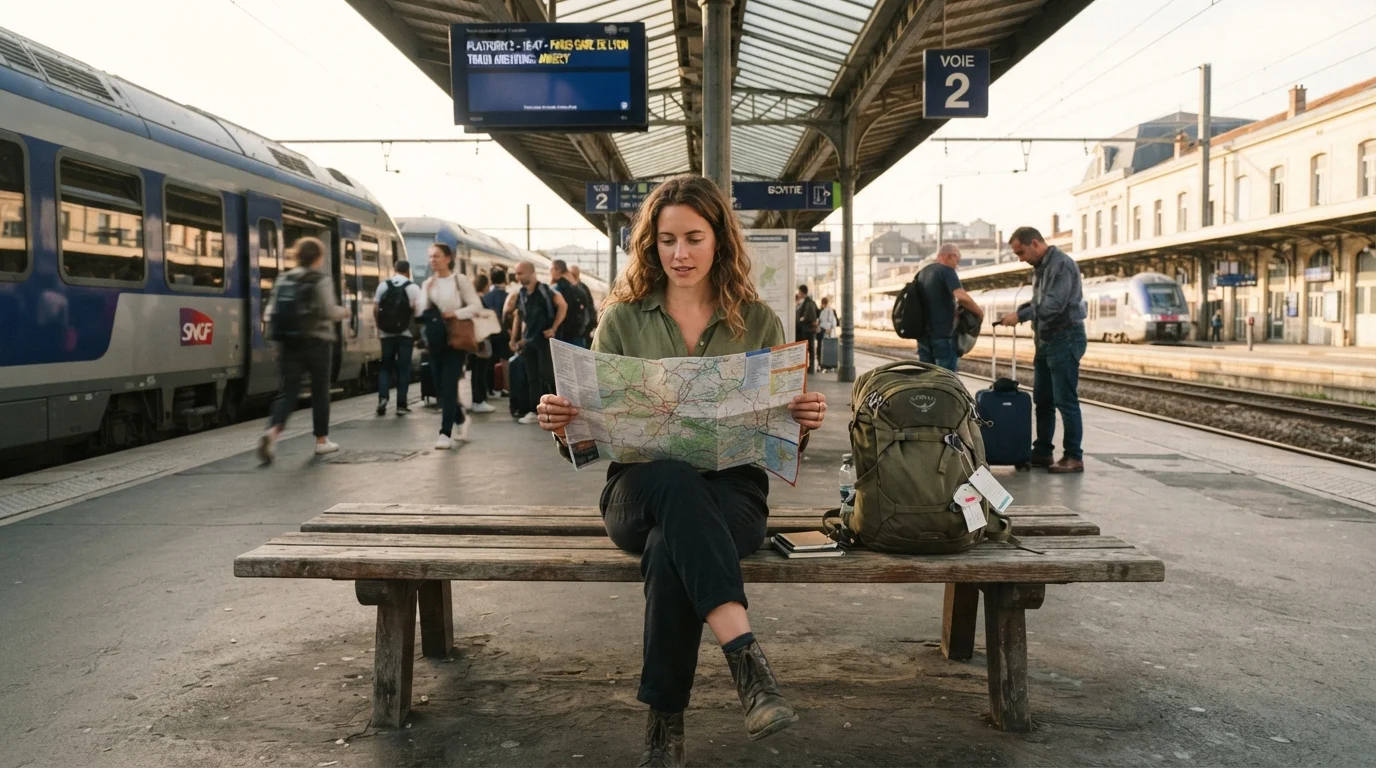
Photo credit: SyndicateExpert.com | Information At The Ready
In this article
New to traveling alone? This guide walks through picking a destination, setting a budget, staying safe, and managing logistics with confidence.
Key Takeaways
- First-time solo travelers benefit most from destinations with established tourist infrastructure and English-language support.
- A solo travel budget should account for the single-supplement surcharge common at hotels and tour operators.
- Sharing your itinerary with a trusted contact at home is one of the simplest and most effective safety habits.
- Flexibility is a solo traveler's greatest asset — build unscheduled time into every day.
- Entry requirements, travel advisories, and local laws change; always verify with official government sources before departure.
Why Solo Travel Is Worth Considering
Traveling alone isn't just a backup plan when friends can't make it — for many people, it becomes the preferred way to explore. You set the pace, choose the itinerary, and answer only to your own curiosity. That freedom is genuinely energizing, and it tends to make you more open to unexpected experiences: a conversation with a local, a detour down a side street, a slower afternoon than you originally planned.
Solo travel also builds a particular kind of self-reliance. Navigating a new city on your own, solving a missed connection, or ordering a meal in an unfamiliar language all add up to real confidence — the kind that sticks when you get home. If you've been on the fence, consider starting modest: a weekend trip to a domestic destination is a low-stakes way to test the waters before committing to something more ambitious. See how first-time solo travel breaks down step by step if you want a companion overview alongside this guide.
Choosing Your First Solo Destination
Destination selection is where most planning anxiety begins — and where a bit of honest self-assessment goes furthest. Ask yourself: How comfortable am I with language barriers? Do I prefer cities or nature? Am I energized by dense urban environments, or do I need room to breathe?
For first-timers, destinations with reliable infrastructure — dependable public transit, accessible medical care, and plenty of English signage — tend to reduce friction considerably. That doesn't mean staying close to home forever, but it does mean the learning curve is gentler when logistical support is nearby. Many solo travelers start with well-trodden American destinations like national parks or coastal cities before branching internationally.
When you're ready to look further afield, research matters. Countries like Portugal and Japan are frequently cited by solo travelers for their safety records and accessible infrastructure — our guides to planning a trip to Portugal and Japan for first-time visitors offer useful groundwork. Whatever destination you consider, verify entry requirements, visa rules, and any current travel advisories through official U.S. government sources — these details change, and no article can substitute for real-time official guidance.
Single supplement
An additional fee charged by hotels and tour operators when a solo traveler occupies a room or tour spot priced for two people. It can add significantly to accommodation costs.
Travel advisory
An official government assessment of safety conditions in a foreign country or region. The U.S. Department of State issues these and updates them as conditions change.
Itinerary
A planned schedule of your trip, listing destinations, accommodation, transportation, and activities day by day. It's both a planning tool and a safety reference to share with contacts at home.
Contingency fund
A portion of your travel budget set aside for unexpected costs — missed connections, medical needs, or unplanned accommodation. Generally recommended as 10–20% of total trip budget.
Tourist infrastructure
The systems and services a destination has in place to support visitors: public transit, accommodation options, information centers, and accessible healthcare.
Setting a Realistic Solo Travel Budget
Budgeting solo is different from budgeting as part of a group. The most immediate difference: you can't split accommodation costs. Many hotels charge a single supplement — often 50–100% of the per-person rate — when only one guest occupies a room designed for two. Factor this in from the start rather than discovering it at checkout.
Build your budget in layers: transportation to and from the destination, local transport, accommodation, food, activities, and a contingency reserve for the unexpected. The contingency fund isn't optional — it's what keeps a missed train or an unplanned medical visit from derailing the whole trip. For deeper guidance on building a travel-ready budget, budgeting basics covers the fundamentals of tracking and planning spending.
On the savings side, solo travelers have real flexibility: you eat when and where you want, skip the expensive group dinners, and can choose budget accommodation like hostels without negotiating with a travel partner. Slow travel — spending more time in fewer places is another approach that often reduces overall costs while deepening the experience.
Safety, Logistics, and Smart Habits
Safety for solo travelers is less about avoiding dramatic scenarios and more about consistent, sensible habits. Share your itinerary — accommodation names, addresses, phone numbers — with at least one trusted person at home before you leave. Check in with them at agreed intervals. These aren't alarmist precautions; they're the same habits seasoned travelers use on every trip.
Carry physical copies of key documents (passport photo page, travel insurance details, emergency contacts) stored separately from your originals. Use a door lock or security device in accommodations when you're unsure about room security. Trust your instincts in unfamiliar situations — if something feels off, it's okay to leave.
Download offline maps before you land
Reliable data service is never guaranteed abroad, and even domestic coverage has gaps. Downloading offline maps for your destination before departure means you can navigate confidently without burning through roaming data or hunting for Wi-Fi. Many travelers also download offline translation apps as a backup for language barriers.
On the logistics side, research local transportation before you arrive rather than improvising on the ground. Understand how taxis, rideshare apps, or public transit work at your destination, and know what a reasonable fare looks like. Our pre-trip research checklist is a solid reference for covering these bases methodically before you confirm any bookings.
Building Confidence as You Go
The first solo trip is always the hardest — not because it's dangerous, but because everything is unfamiliar and there's no one next to you to share the moment of uncertainty. That passes quickly. Most solo travelers report that by day two or three, the rhythms of independent travel start to feel natural.
Build flexibility into your plans deliberately. A packed itinerary leaves no room for the best parts of solo travel: the spontaneous detour, the afternoon you spend longer than planned in a museum, the conversation that turns into a dinner recommendation. Our guide to building a trip itinerary that actually works in real life covers how to structure days so they breathe rather than sprint.
Finally, don't compare your first solo trip to someone else's tenth. Start where you are, plan carefully, stay curious, and let the experience teach you. Every seasoned solo traveler started exactly where you're standing now.
Frequently Asked Questions

Author
Travel & Trips Editorial Team
Travel & Trips Editorial Team is the collective byline for our editorial team and contributor network. Articles published under this byline or an editorial pen name are researched, written, and reviewed according to our editorial standards for clarity, consistency, and independence before publication.
View all articles →