
Traveling Solo for the First Time: A Ground-Up Introduction
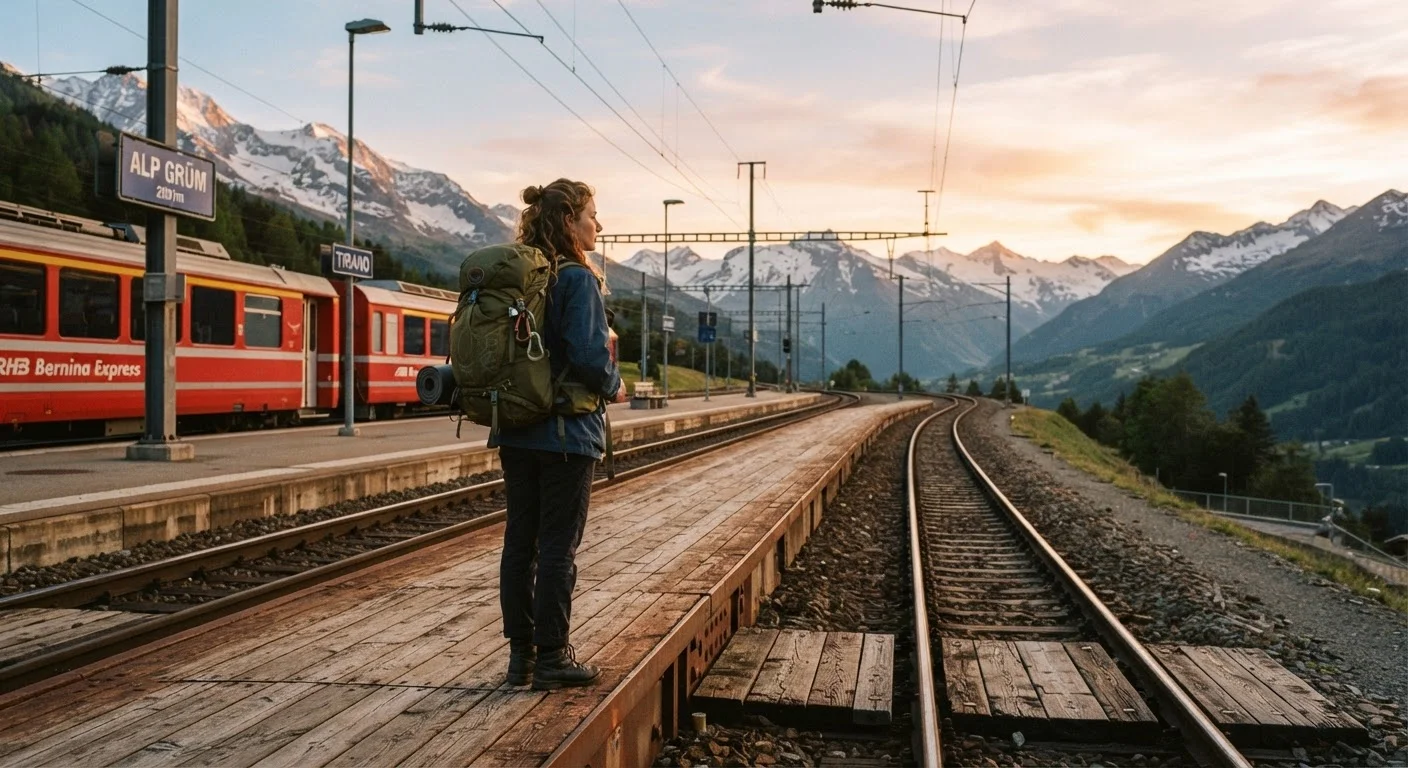
Photo credit: SyndicateExpert.com | Information At The Ready
In this article
From choosing a first destination to staying safe on arrival, this guide walks first-time solo travelers through everything they need to know.
Key Takeaways
- Choosing a forgiving, well-touristed first destination dramatically lowers the learning curve.
- Thorough pre-trip research — visas, health advisories, local laws — is non-negotiable.
- Sharing your itinerary with a trusted contact at home is one of the simplest safety habits.
- Staying flexible and open to unplanned moments often produces the best solo travel memories.
- Solo travel builds real self-reliance that carries over into everyday life long after you return.
Why Solo Travel Is Worth It
Traveling alone for the first time can feel equal parts thrilling and nerve-wracking. That tension is completely normal — and it's also part of what makes the experience so rewarding. When there's no one to defer to, you make every call: where to eat, how long to linger, when to turn around. That freedom forces a kind of self-knowledge that group trips rarely deliver.
Solo travelers consistently report that the experience builds genuine confidence. Navigating an unfamiliar transit system, ordering food in a language you barely speak, or problem-solving a missed connection — each small win stacks up. The self-reliance you build on the road tends to follow you home.
If you're also curious about building confidence in other areas of life, our guide to joining online communities explores a similar theme of stepping into unfamiliar territory and finding your footing.
Your First Solo Trip Doesn't Have to Be Far
Plenty of seasoned solo travelers started with a weekend trip a few hours from home. A short domestic trip lets you practice the logistics — packing, navigating alone, managing your own schedule — without the added complexity of international travel. Once you're comfortable with the basics, longer and more remote trips feel far less daunting.
Choosing Your First Destination
Your first solo destination should match your current comfort level, not your aspirational one. A place with reliable infrastructure, English-language signage or widespread bilingualism, and an established backpacker or tourist network gives you a safety net while you find your rhythm.
Domestic travel is a perfectly legitimate first move. America's national parks, for instance, offer genuine adventure with well-marked trails and ranger support — our national parks guide by traveler type can help you match a park to your style. For international first-timers, destinations in Western Europe, Canada, or parts of East Asia are commonly cited as approachable starting points.
Factor in language, time zone distance from home, cost of living, and your own health and mobility needs. If you're drawn to Asia, our piece on preparing for Japan as a first-time visitor walks through the practical groundwork. And before you romanticize a region, it's worth checking assumptions — our article on common misconceptions about Southeast Asia offers a grounded reality check.
Browse the full Destinations hub for destination-specific guidance across the US and internationally.
Planning and Preparation Essentials
Solid preparation is the difference between a stressful trip and a smooth one. Start with the non-negotiables: passport validity (many countries require at least six months beyond your travel dates), any visa requirements, and health advisories. Always verify entry requirements through official government sources — embassy websites and your government's official travel advisory pages — not travel blogs alone, as these details change.
Once logistics are confirmed, build a loose itinerary. Solo travel rewards flexibility, but having a framework for the first day or two in each place reduces the disorientation of arrival. Book your first night's accommodation before you land; figure out the rest as you go.
Our pre-trip research checklist covers entry requirements, local laws, health advisories, and seasonal weather in detail. And for a comprehensive pre-departure sweep — documents, finances, home security — our pre-board checklist is worth running through before you leave. For deeper trip planning resources, explore our full planning hub.
Staying Safe and Connected on the Road
Safety as a solo traveler is largely about awareness and simple habits. Share your itinerary — including accommodation addresses and planned activities — with at least one trusted contact at home. Check in regularly, even if just a quick message. This habit costs almost nothing and provides meaningful peace of mind on both ends.
Keep digital and physical copies of critical documents (passport, insurance, emergency contacts) stored separately from your originals. A cloud-stored folder accessible from any device is a practical backup. Research local emergency numbers for your destination before you arrive.
Trust your instincts about situations and people. If something feels off, you don't owe anyone an explanation for removing yourself from it. Blend in where possible — dressing and behaving in ways that respect local customs both reduces unwanted attention and shows cultural respect. For international travel, note that local laws may differ significantly from US norms; research this in advance rather than assuming equivalence.
Note: This article provides general travel information only. For health-related travel decisions — vaccinations, medications, or managing existing conditions abroad — consult a qualified healthcare provider before departure.
Making the Most of the Experience
The best solo travel moments often come from saying yes to the unplanned. A local points you toward a neighborhood you'd never have found. A slow afternoon in a café turns into a conversation that reframes how you see a place. None of that happens on a rigid schedule.
Build downtime deliberately into your days. Solo travel without recovery time becomes exhausting fast, and fatigue is when judgment suffers. Eat well, sleep enough, and recognize when you need a quiet afternoon rather than another landmark.
Loneliness is real on solo trips — acknowledging it honestly is healthier than pretending it away. Social accommodations, free walking tours, cooking classes, and language exchanges are practical antidotes. The goal isn't to be alone constantly; it's to travel on your own terms.
When you return, you'll likely find that the competence and self-trust you built abroad shows up in unexpected ways at home — whether that's making a financial decision with more confidence (our investing for beginners guide explores a similar build-from-scratch mindset) or simply feeling more capable of navigating the unfamiliar. That's the enduring value of going it alone.
Frequently Asked Questions

Author
Travel & Trips Editorial Team
Travel & Trips Editorial Team is the collective byline for our editorial team and contributor network. Articles published under this byline or an editorial pen name are researched, written, and reviewed according to our editorial standards for clarity, consistency, and independence before publication.
View all articles →