
Japan for First-Time Visitors: Getting Your Bearings Before You Land
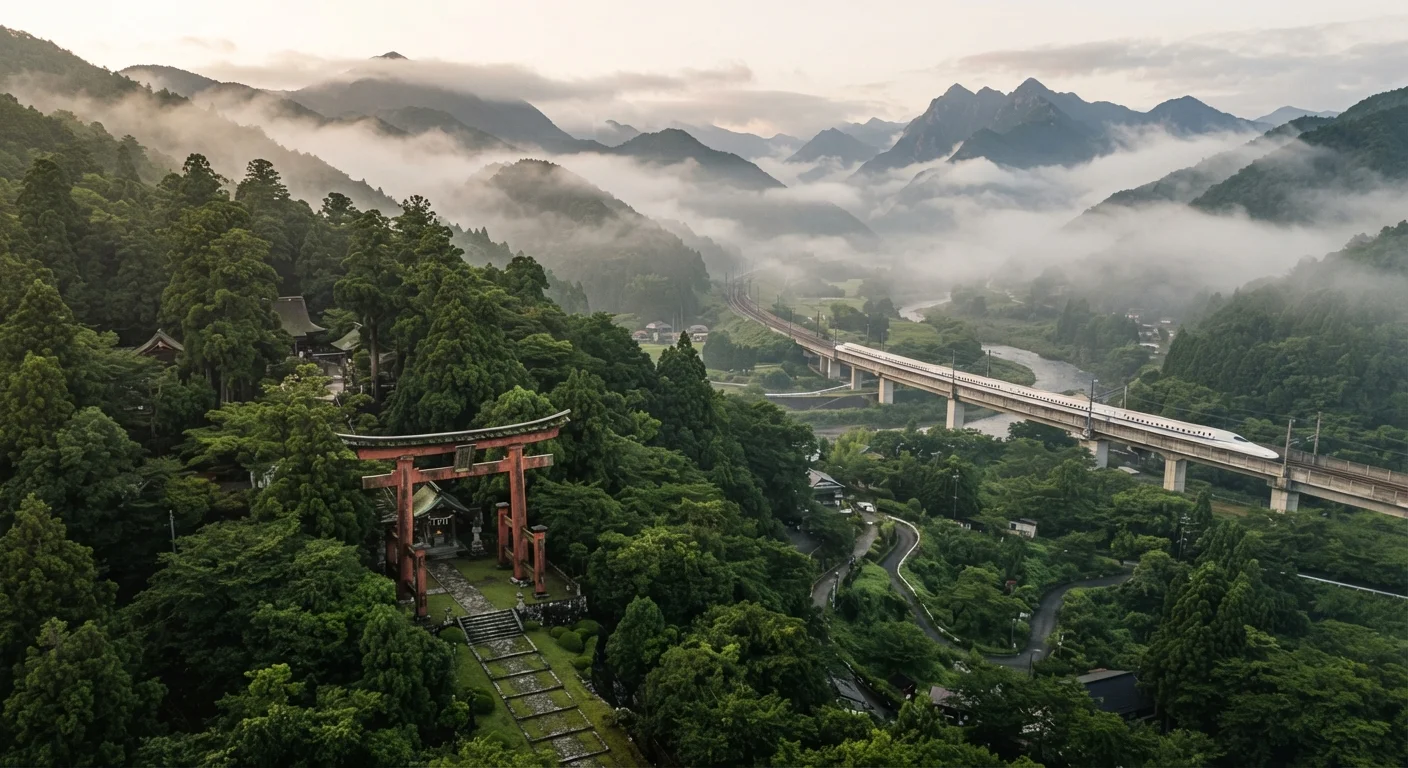
Photo credit: SyndicateExpert.com | Information At The Ready
In this article
Transit cards, cultural etiquette, regional rail passes—everything a first-time visitor to Japan needs to understand before they arrive.
Key Takeaways
- U.S. citizens can enter Japan visa-free for tourist stays up to 90 days, but entry rules should be verified with official sources before booking.
- An IC transit card (like Suica or ICOCA) covers trains, subways, buses, and even convenience store purchases nationwide.
- The Japan Rail Pass offers broad value for multi-city itineraries but must typically be purchased before you leave the U.S.
- Quiet, respectful behavior on public transit is a strong social norm — talking on the phone on trains is generally frowned upon.
- Japan remains heavily cash-reliant in many settings; carrying yen is essential even if you plan to use cards.
Why Japan Rewards Preparation
Japan is routinely ranked among the world's most extraordinary destinations — and for good reason. It's a place where centuries-old temples sit minutes from neon-lit city streets, where bullet trains run with near-mathematical precision, and where a bowl of ramen can be a genuinely moving experience. For first-time visitors from the U.S., it also comes with a learning curve that's entirely manageable with the right groundwork.
The country operates on strong cultural norms, a distinct transit logic, and — in many areas — a preference for cash. None of these are obstacles; they're features once you understand them. Treat preparation not as homework but as part of the adventure itself. If you're heading abroad independently for the first time, our guide to solo travel for beginners covers the broader fundamentals alongside Japan-specific concerns.
Understanding Entry Requirements
U.S. citizens are generally allowed to enter Japan visa-free for tourist visits of up to 90 days under a longstanding reciprocal arrangement. That said, entry policies can shift — and Japan has introduced a tourist tax registration system in some areas — so always verify current requirements directly through official government sources or the Japanese Embassy before finalizing any plans.
Your passport must be valid for the duration of your stay. Make sure you understand exactly what documentation you'll need at the border, including your return or onward ticket and proof of accommodation. For a reliable framework on interpreting entry requirements accurately, see how to read a destination's entry requirements.
For health-related entry requirements — vaccinations, health declarations — consult the CDC's travel health notices and your own physician well before departure.
Mastering Transit Cards and Rail Passes
Japan's public transit system is a marvel, and navigating it confidently starts with two tools: an IC transit card and, depending on your itinerary, a Japan Rail Pass.
An IC card — the most widely known are Suica (Tokyo-area) and ICOCA (Osaka/Kyoto area) — is a rechargeable smart card that works on nearly all trains, subways, and buses across the country. You can also use it to pay at convenience stores and vending machines. Load it with yen at any station kiosk. It's the single most useful item you'll carry daily.
The Japan Rail Pass (JR Pass) is a separate product that covers unlimited travel on most Japan Railways lines, including many Shinkansen (bullet train) routes. It must generally be purchased before you arrive in Japan and is worth the cost primarily if you're traveling between multiple cities — say, Tokyo, Kyoto, Hiroshima, and Osaka. If you're staying in one metro area, it may not be necessary. Calculate your expected routes honestly before buying.
Load Your IC Card at the Airport
Major airports like Narita and Haneda have IC card kiosks right in the arrivals hall. Picking up and loading a Suica or ICOCA card before you leave the airport means you can hop on a train to the city without fumbling for tickets or change. It's one of the simplest first steps you can take.
Major airports like Narita and Haneda have IC card machines in the arrivals area, so you can load a card before you even leave the airport — a smart first move.
Cultural Etiquette That Actually Matters
Japan's social norms are specific, genuinely respected by locals, and easy to follow once you know them. Getting these right will earn you goodwill and make your experience noticeably smoother.
- On trains: Keep your voice low, silence your phone, and avoid eating or drinking (on most urban lines). Priority seats near doors are reserved for elderly passengers, people with disabilities, and pregnant travelers — don't use them unless needed.
- Shoes: Remove them when entering traditional accommodations (ryokan), many restaurants with tatami seating, and some temples. Look for the entryway (genkan) and follow the host's lead.
- Queuing: Japan takes orderly queuing seriously. On station platforms, painted lines mark exactly where to stand. Follow them.
- Trash: Public trash cans are rare. Carry a small bag for your waste and dispose of it at your accommodation or a convenience store.
- Tipping: Don't. Excellent service is the norm, not a transaction. A sincere thank-you is the right response.
Language and Communication Basics
You do not need to speak Japanese to travel Japan successfully. Major train stations, airports, and tourist sites carry English signage, and many hotels have English-speaking staff. That said, venturing off the beaten path — smaller towns, local izakayas, rural guesthouses — means you'll encounter situations where English isn't available.
Download Google Translate before you leave and enable offline Japanese packs. The camera translation feature is invaluable for menus and signs. A phrasebook app focused on practical travel Japanese is also worth having. Even imperfect attempts at phrases like sumimasen (excuse me) and arigatou gozaimasu (thank you) land warmly.
For a broader look at navigating language barriers abroad, this guide on traveling without a shared language covers practical strategies that apply well beyond Japan.
Money, Connectivity, and Final Prep
Cash is king in many parts of Japan. Budget for it. ATMs at 7-Eleven stores and Japan Post locations reliably accept foreign debit and credit cards — convenience store ATMs are your most dependable option outside of major banks.
For connectivity, consider renting a pocket Wi-Fi device or purchasing a data SIM card upon arrival — both are available at major airports. Reliable data access is especially useful for navigation apps and real-time transit updates.
Before you leave home, run through a thorough pre-trip checklist covering documents, finances, health prep, and home security. Our pre-departure checklist is a solid reference for any international trip. You'll also want to verify current entry rules — the pre-trip research checklist walks through what to confirm before any booking becomes final.
Japan doesn't require perfection from its visitors — it rewards curiosity, respect, and a little preparation. Show up with those three things, and the country will more than meet you halfway.
Frequently Asked Questions

Author
Travel & Trips Editorial Team
Travel & Trips Editorial Team is the collective byline for our editorial team and contributor network. Articles published under this byline or an editorial pen name are researched, written, and reviewed according to our editorial standards for clarity, consistency, and independence before publication.
View all articles →